

Navigating airports can feel overwhelming, especially when your itinerary includes multiple stops. Understanding what is a layover flight transforms a stressful wait into a seamless travel experience.
This comprehensive guide explains everything you need to know about navigating airport stops. You will learn the differences between connection types, baggage procedures, and international transit protocols. Discover expert tips to make your wait comfortable, stress-free, and surprisingly enjoyable for your next journey.
Understanding the Basics: What is a layover flight?
Many travelers ask what is a layover flight when booking their first long-distance journey. A layover is simply a scheduled stop between your departure point and your final destination. Instead of flying directly from one city to another, the aircraft lands at an intermediate airport. You exit the first plane, wait inside the terminal, and eventually board a second plane to complete your trip.
Airlines schedule these stops for several logistical reasons. Sometimes, the carrier does not offer a direct route between your origin and destination. Other times, airplanes need to refuel, change crew members, or consolidate passengers from various smaller airports onto one large aircraft. Understanding what is a layover flight helps you mentally prepare for the total duration of your travel day.
The length of your wait can vary drastically depending on the airline and the route. A short stop might last just forty-five minutes, giving you barely enough time to walk to your next gate. A long stop could stretch up to twenty-three hours, offering a chance to leave the airport and explore a new city. Knowing what is a layover flight ensures you pack properly and manage your time effectively between boardings.
The Core Difference: What is a layover vs connecting flight?

When evaluating your itinerary, you might wonder what is a layover vs connecting flight. People often use these terms interchangeably, but minor distinctions exist in aviation terminology. A layover refers specifically to the time you spend waiting on the ground at the intermediate airport. It is the physical break in your journey.
A connecting flight refers to the actual second airplane you board to reach your final destination. If your ticket requires you to change planes, you have a connecting flight. The period you spend waiting to board that second plane is the layover. Understanding what is a layover flight means recognizing that the layover is the wait, while the connection is the aircraft.
Sometimes, you might encounter a direct flight with a layover where you do not change planes. The aircraft lands, some passengers disembark, new passengers board, and the plane takes off again. In this specific scenario, you experience a layover without a connecting flight. You simply stay in your seat or wait in a designated holding area before continuing your journey on the exact same aircraft.
Comparison Table: Flight Types
|
Flight Type |
Description |
Do You Change Planes? |
|---|---|---|
|
Non-stop |
Flies directly from origin to destination with no stops. |
No |
|
Direct |
Makes a stop for fuel or passengers, but keeps the same flight number. |
Usually No |
|
Layover/Connecting |
Requires stopping at a hub and boarding a completely different aircraft. |
Yes |
|
Stopover |
A scheduled break in a journey lasting longer than 24 hours. |
Yes |
Navigating the Regulations: Layover flight rules

To ensure a smooth transit, you must familiarize yourself with standard layover flight rules. Aviation authorities and individual airlines strictly enforce these protocols to maintain security and keep schedules running on time. When you understand what is a layover flight, you must also understand the minimum connection times required by airports.
Every airport establishes a minimum connection time, which dictates the shortest allowable layover you can book on a single ticket. Massive hub airports require longer connection times because passengers need to travel between distant terminals. If you book a ticket through a single airline, the carrier guarantees that your stop meets this minimum requirement.
If your first flight gets delayed and you miss your connection, the airline must rebook you on the next available plane at no extra charge. However, if you book two separate tickets on different airlines, this protection disappears. In that case, missing your second flight means you must buy a brand new ticket out of pocket. You can learn more about passenger protections by reviewing guidelines from the US Department of Transportation.
When dealing with what is a layover flight, you must also consider security protocols. On most domestic routes, you stay within the secure terminal area. You do not need to pass through metal detectors or baggage scanners a second time. You simply walk off your first plane, find a monitor, locate your next gate, and wait for boarding to begin.
Crossing Borders: What is a layover flight international?
Traveling globally introduces new layers of complexity to your transit. So, what is a layover flight international? This occurs when your journey includes a stop in a foreign country before reaching your ultimate destination. For example, if you fly from New York to Rome, but stop in London along the way, you experience an international layover in the United Kingdom.
Understanding what is a layover flight on a global scale requires attention to immigration laws. Even if you never intend to leave the airport, some countries require you to hold a transit visa. A transit visa is a temporary travel document that allows you to pass through a country’s airport legally. You must always check the visa requirements for your layover country before you start your trip.
During an international stop, you generally remain in an international transit zone. This secure area prevents you from officially entering the country. Because you remain in this zone, you usually do not have to clear local customs or speak to an immigration officer. You simply follow the yellow transit signs to your next departure gate.
If you decide to leave the airport to sightsee, the rules change entirely. You must formally enter the country, which means passing through passport control, acquiring the proper tourist visa, and clearing customs. Upon your return to the airport, you must pass through standard security checkpoints again. Knowing what is a layover flight helps you decide if leaving the terminal is worth the extra logistical effort.
Specific Guidelines: Layover flight rules for international flights
When you cross borders, you face strict layover flight rules for international flights. These regulations focus heavily on security screening and agricultural restrictions. When you arrive from a foreign destination, even if you are just passing through, security agents often require you to undergo a secondary screening before entering the departure concourse for your next flight.
This secondary screening means you must adhere to liquid restrictions all over again. If you purchased a bottle of wine or a large perfume in the duty-free shop at your first airport, security agents might confiscate it during your layover. To prevent this, always ask the duty-free cashier to place your liquids in an officially sealed security bag.
Understanding what is a layover flight requires you to be mindful of agricultural laws. Many countries prohibit the transit of fresh fruits, meats, and certain plant materials. If you packed an apple from home to eat later, border dogs or agricultural inspectors might confiscate it during your transit.
If your itinerary requires you to land in the United States from a foreign country and connect to another domestic city, the rules are very strict. The United States does not have international transit zones. You must clear immigration, claim your checked bags, pass through customs, and re-check your bags before heading to your next gate. Familiarize yourself with the Transportation Security Administration protocols to avoid unwanted surprises.
Managing Your Bags: Layover flight luggage procedures
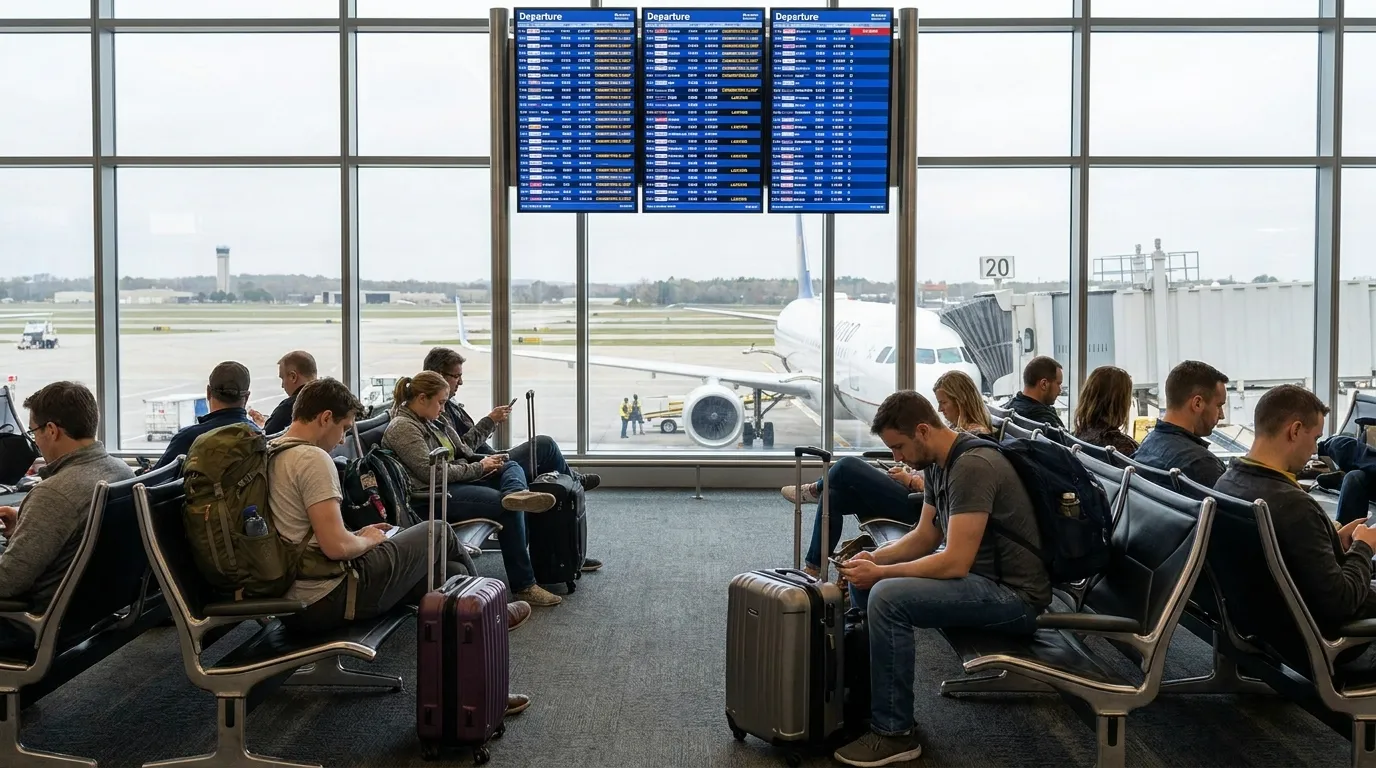
One of the most common sources of anxiety for travelers is layover flight luggage. People constantly worry about whether their suitcases will make it to the final destination. When you book a single itinerary with one airline, the carrier automatically tags your checked bags for your ultimate destination. Baggage handlers transfer your suitcases between planes behind the scenes.
In most cases, you do not need to retrieve your bags during a domestic transit. You drop them off at your origin city and pick them up at the baggage carousel at the end of your trip. Understanding what is a layover flight means trusting the automated baggage sorting systems that handle millions of suitcases daily.
However, exceptions exist when flying internationally. As mentioned previously, entering the United States requires you to claim your bags at your first port of entry. After clearing customs, you place your luggage on a designated re-check belt located just outside the customs hall. You do not need to return to the main ticketing lobby to do this.
If you create your own itinerary by booking multiple flights on separate airlines, luggage rules change entirely. You must claim your bags at the intermediate airport, haul them to the departures level, and wait in line to check them with your second airline. Knowing what is a layover flight under these conditions highlights the importance of leaving yourself at least three to four hours between flights.
The Economics: Are layover flights cheaper?
Budget-conscious travelers frequently ask, are layover flights cheaper than non-stop alternatives? Generally speaking, yes. Airlines heavily discount tickets that require passengers to stop and change planes. Non-stop flights offer superior convenience and save significant time, allowing airlines to charge a premium for that luxury.
When you understand what is a layover flight, you realize that airlines use hub-and-spoke models to maximize their profits. It costs a carrier less money to fly passengers from various small cities into one central hub, combine them, and fly them on a massive plane to a final destination. The airline passes some of these operational savings on to you in the form of cheaper tickets.
Choosing an itinerary with a stop can save you hundreds of dollars, especially on international routes. If you have a flexible schedule and do not mind spending an extra few hours traveling, accepting a transit stop is a fantastic way to stretch your travel budget. You can use the money you saved on airfare to upgrade your hotel room or enjoy nicer meals during your vacation.
However, you must calculate the hidden costs of a long wait. If your stop lasts eight hours, you will likely spend money on expensive airport food, magazines, or a lounge day-pass. By the time you board your second plane, you might have spent the money you originally saved on the ticket. Weigh the pros and cons carefully when considering what is a layover flight for your budget.
Making the Most of Your Time: What to do when you have a layover flight
Waiting in a terminal does not have to be miserable. Knowing what to do when you have a layover flight turns downtime into productive or relaxing time. If your wait is under three hours, stick to the basics. Find your departure gate first so you know exactly where you need to be. Then, grab a meal, fill your water bottle, and stretch your legs by walking the concourse.
For medium stops lasting between three and six hours, consider buying a day pass to an airport lounge. Lounges offer comfortable seating, complimentary food and beverages, fast Wi-Fi, and sometimes even shower facilities. The upfront cost of a lounge pass often equals what you would spend at a crowded terminal restaurant, making it a brilliant investment for comfort.
If your transit lasts longer than six hours, you might have time to leave the terminal. Research the local public transportation options before you arrive. Many major global hubs connect directly to city centers via high-speed trains. You can exit the airport, grab an authentic local meal, see a famous landmark, and return in time for your connection.
Understanding what is a layover flight means planning ahead for entertainment. Download movies, podcasts, and audiobooks to your devices while you still have strong home Wi-Fi. Pack a physical book, a portable power bank, and noise-canceling headphones in your carry-on bag. These small preparations make a massive difference in how quickly time passes while you wait.
Behind the Scenes: What is a layover flight attendant doing?
Passengers often wonder about the crew. What is a layover flight attendant doing while you wait? For airline crew members, a layover means something slightly different. When flight attendants have a layover, it usually means their workday has ended. The airline provides them with hotel transportation and accommodations so they can rest before their next scheduled assignment.
Aviation regulations strictly govern how long a flight attendant can work without a mandatory rest period. If a crew flies a long-haul international route, they must receive adequate sleep before working a return flight. Understanding what is a layover flight for the crew highlights the intense logistical planning required to keep global aviation safe and functional.
During very short plane turns, flight attendants might stay on the aircraft. They use this brief ground time to clean the cabin, restock beverage carts, conduct safety checks, and prepare the interior for the next wave of passengers. Their job involves constant movement, even when the airplane is securely parked at the gate.
Knowing what is a layover flight for the people operating your aircraft fosters patience and appreciation. The crew works tirelessly through delays, time zone changes, and long duty days to ensure you reach your destination safely. Treating them with kindness and respect makes the travel experience better for everyone involved.
Expert Insights and Pro Tips for Smooth Transits
Mastering what is a layover flight requires adopting the habits of seasoned travelers. One of the most vital tips is to always pack a transit survival kit in your personal item. Keep essential medications, a change of underwear, basic toiletries, and important travel documents under the seat in front of you. If your checked bags go missing, you will still have the necessities to survive your first day.
When building your itinerary, aggressively avoid booking the absolute shortest connection time permitted. While a forty-minute transit might technically be legal, any minor delay on your first flight will cause you to sprint frantically through the terminal. Always aim for a minimum of ninety minutes for domestic stops and three hours for international transits to guarantee a stress-free experience.
Download the official mobile app for your specific airline before you leave home. Airline apps provide real-time updates on gate changes, boarding times, and baggage tracking. If a delay occurs, you can often use the app to rebook yourself on a different plane without standing in a massive line at the customer service desk.
Familiarize yourself with travel insurance policies. A robust policy protects your finances if severe weather or mechanical failures force you to miss a connection and spend the night in an unexpected city. Insurance can cover emergency hotel rooms, meals, and rebooking fees, ensuring that understanding what is a layover flight does not include understanding unexpected financial ruin. You can consult the World Health Organization for additional advice regarding safe and healthy global transit.
Common Mistakes to Avoid During Your Wait
Even veteran travelers make errors when managing what is a layover flight. The most frequent mistake is falling asleep at the gate without setting an alarm. Gate changes happen constantly. If you fall asleep wearing noise-canceling headphones, you might miss the announcement that your plane moved to the opposite end of the terminal. Always set a loud phone alarm for thirty minutes before boarding begins.
Another major error involves misunderstanding timezone changes. If you land in a different timezone, your smartphone should update automatically, but manual watches will not. Always double-check local airport time on the terminal monitors. Missing a flight because you miscalculated a one-hour timezone difference is an incredibly frustrating way to ruin a vacation.
Do not ignore navigating airport security restrictions when shopping during your transit. Many passengers buy expensive liquors or specialized local foods in the terminal, only to have them confiscated at a surprise secondary security checkpoint. If you are unsure about the rules, ask the retail clerks before completing your purchase. They usually know the specific security rules for connecting passengers.
Finally, do not wander too far from your gate without checking the boarding time. Modern airports function like massive shopping malls, and it is easy to lose track of time browsing luxury boutiques. Understanding what is a layover flight means recognizing that aircraft doors usually close fifteen minutes prior to the scheduled departure time. If you arrive at the gate at the exact departure minute, the plane will leave without you.
Conclusion
Mastering exactly what is a layover flight empowers you to travel with confidence and ease across the globe. By understanding baggage protocols, international rules, and time management strategies, you can turn a tedious wait into a relaxing break. Start planning your next journey today and book your itinerary without hesitation!
Frequently Asked Questions
1. What happens if my first plane is delayed and I miss my connection?
If you booked both flights on a single ticket with one airline, the carrier will rebook you on the next available flight for free. If the delay requires an overnight stay due to airline fault, they typically provide a hotel voucher.
2. Do I need to pick up my checked bags during a transit?
For most domestic journeys booked on a single ticket, your bags automatically transfer to your final destination. However, if you enter a new country (like the US) or book separate tickets on different airlines, you must claim and re-check your luggage.
3. Can I leave the airport while waiting for my next plane?
Yes, provided you have enough time and meet the visa requirements for that country. Ensure you leave at least three hours for exiting, traveling, returning, and passing through security again before your next departure.
4. How long should I leave between connecting planes?
We recommend at least ninety minutes for domestic travel and three hours for international travel. This buffer accounts for minor delays, long terminal walks, and potential secondary security screenings without causing you panic.
5. Do I need a visa just to wait in an international terminal?
It depends entirely on your nationality and the country you are transiting through. Many nations allow visa-free transit if you stay in the secure zone, but some require a specific transit visa. Always verify before flying.
6. Will I have to pass through security a second time?
On domestic routes, usually no. On international routes, usually yes. Many global airports require connecting passengers to clear a transit security checkpoint to ensure all carry-on items meet local safety standards.
7. Can I access an airport lounge if I am flying economy class?
Yes. While business class tickets include free entry, economy passengers can often purchase day passes to independent lounges. Certain travel credit cards also offer complimentary global lounge access as a cardholder perk.
8. What should I pack in my carry-on for a long wait?
Always pack a portable charger, charging cables, a refillable water bottle, essential medications, basic toiletries, a light jacket, and downloaded entertainment. These items ensure your comfort if your wait gets unexpectedly extended.
9. Are duty-free liquids allowed on my second plane?
They are allowed only if the retailer seals them in an official, tamper-evident security bag with the receipt visible. If the bag is opened or tampered with, security agents at your intermediate stop will confiscate the liquids.
10. What is the difference between a layover and a stopover?
A layover is a short wait between planes, typically lasting less than twenty-four hours. A stopover is a deliberate, scheduled break in your journey lasting longer than twenty-four hours, allowing you to spend a few days in the intermediate city.