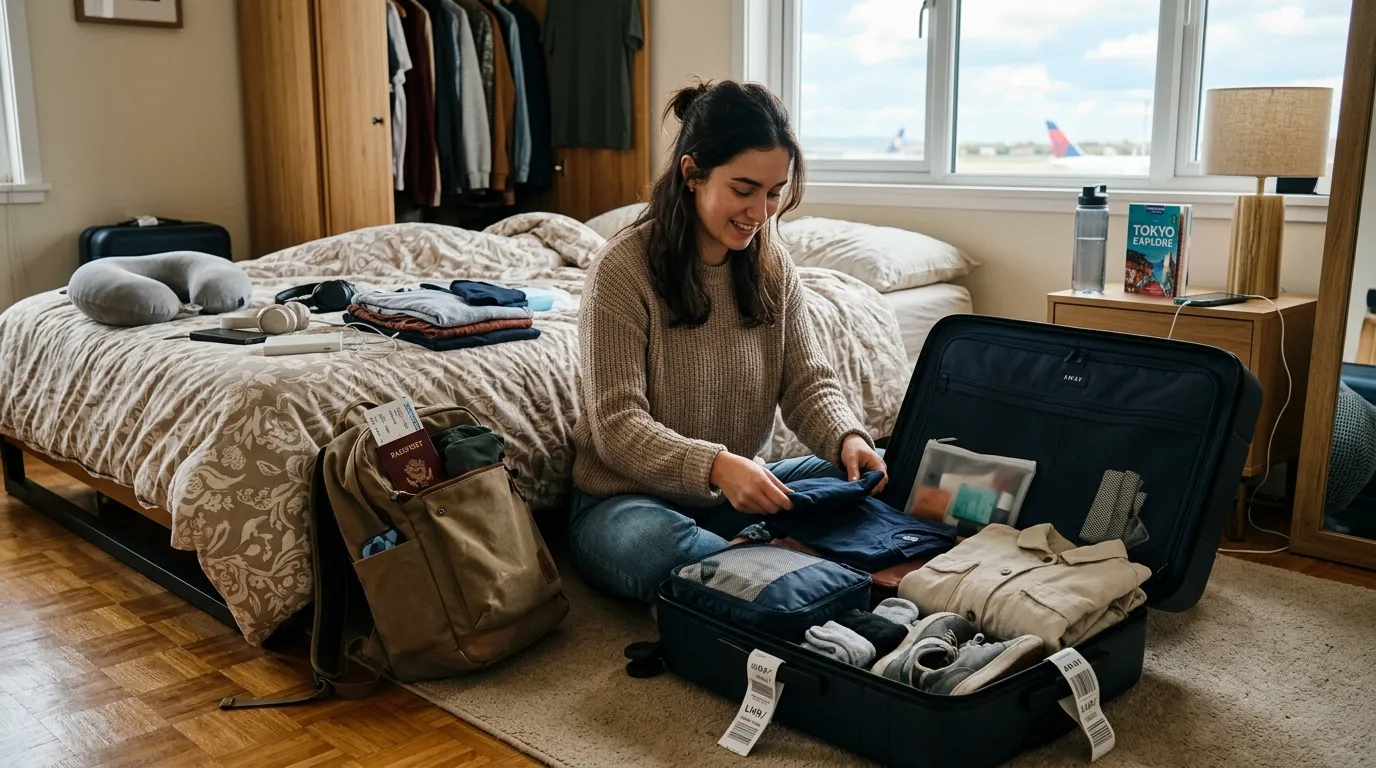
Heading to the airport shouldn’t be stressful. With the right packing tips for air travel, you can skip the anxiety and focus entirely on your upcoming adventure.
Knowing how to pack effectively transforms your entire journey. This guide delivers essential packing tips for air travel, covering carry-on strategies, checked luggage organization, and TSA compliance to help you save space, avoid fees, and travel like a seasoned professional.
Why You Need the Best Packing Tips for Air Travel
Flying often involves strict luggage limits, unpredictable security lines, and the constant fear of losing your belongings. Mastering the art of luggage preparation eliminates these worries. When you use proven packing tips for air travel, you maximize every inch of your suitcase. You also protect your valuables and ensure compliance with airline rules.
Efficient packing allows you to move quickly through busy terminals. It prevents you from lugging around dead weight and saves you money on overweight baggage fees. Whether you are flying domestically for a quick weekend getaway or embarking on an extended international holiday, proper preparation is the foundation of a great trip.
Applying smart strategies means you will always have exactly what you need. You will not have to frantically search for an adapter or realize your shampoo leaked everywhere. By focusing on organization and foresight, you elevate your entire travel experience from chaotic to completely seamless.
Mastering Your Carry-On Luggage
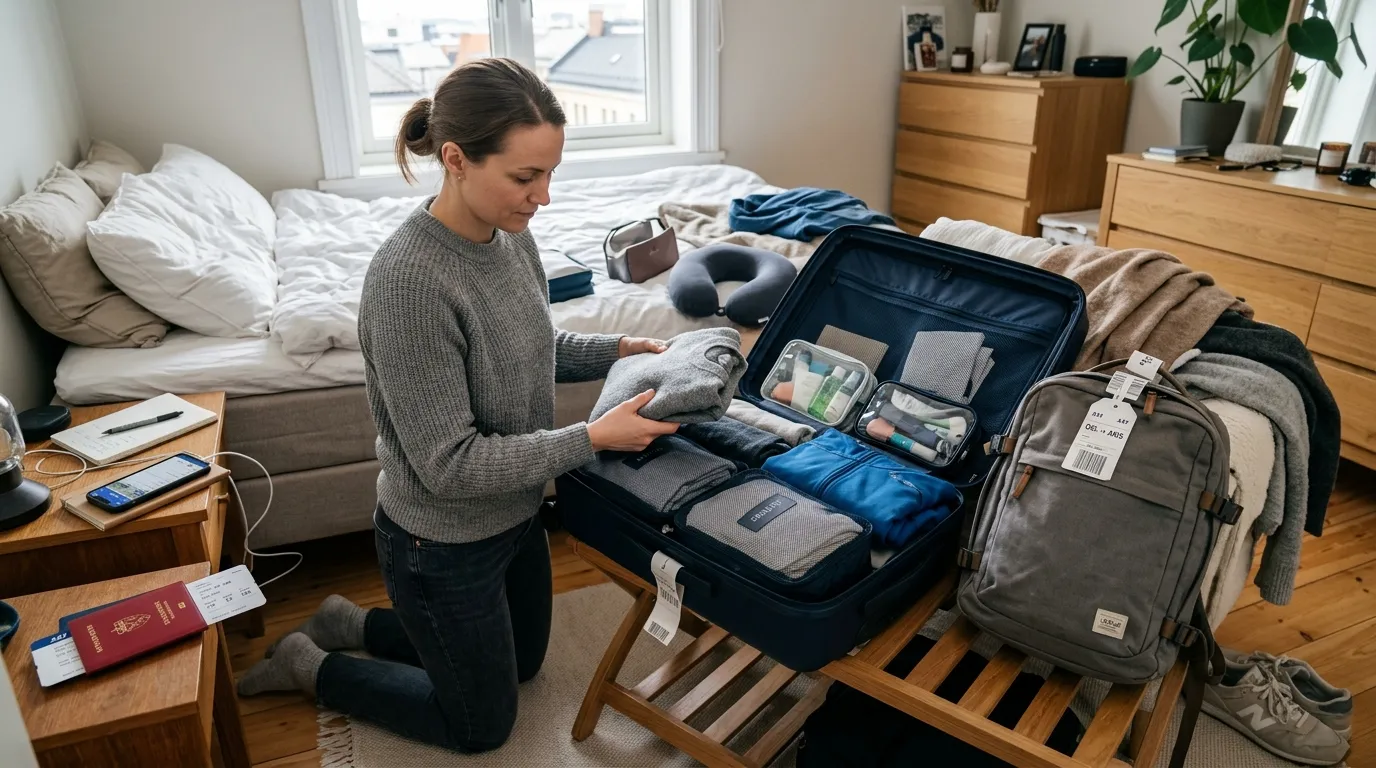
Your carry-on bag is your lifeline. If the airline misplaces your checked luggage, your carry-on ensures you can still enjoy the first few days of your trip. Applying strategic packing tips for air travel to your carry-on is absolutely vital.
The 3-1-1 Rule for Liquids
When packing your carry-on, you must follow the TSA rules for liquids. The 3-1-1 rule dictates that all liquids, aerosols, gels, creams, and pastes must be 3.4 ounces (100 milliliters) or less per container. These containers must fit into one quart-sized, clear, resealable plastic bag. You are allowed one bag per passenger.
To make this easy, buy reusable silicone travel bottles. Transfer your favorite shampoo, conditioner, and skincare products into these containers. Place the clear bag at the very top of your carry-on or in an exterior pocket. This allows you to grab it quickly when going through the security checkpoint, speeding up the process for you and everyone behind you. Check the official Transportation Security Administration website for the most up-to-date prohibited items list.
Essential Electronics and Chargers
Electronics are heavy, fragile, and contain lithium-ion batteries, which airlines require you to keep in the cabin. Your laptop, tablet, e-reader, and camera should always go in your carry-on. Pack them in padded sleeves to prevent damage during transit.
Organize your cords, cables, and plug adapters in a dedicated tech pouch. This prevents a tangled mess at the bottom of your bag. Bring a high-capacity portable power bank to keep your phone charged during long layovers. Make sure your electronics are easily accessible, as security agents often require you to remove laptops and large tablets from your bag for separate X-ray screening. For advice on carrying professional gear, travel experts at Condé Nast Traveler often recommend utilizing compartmentalized tech organizers.
Checked Luggage Packing Tips for Air Travel
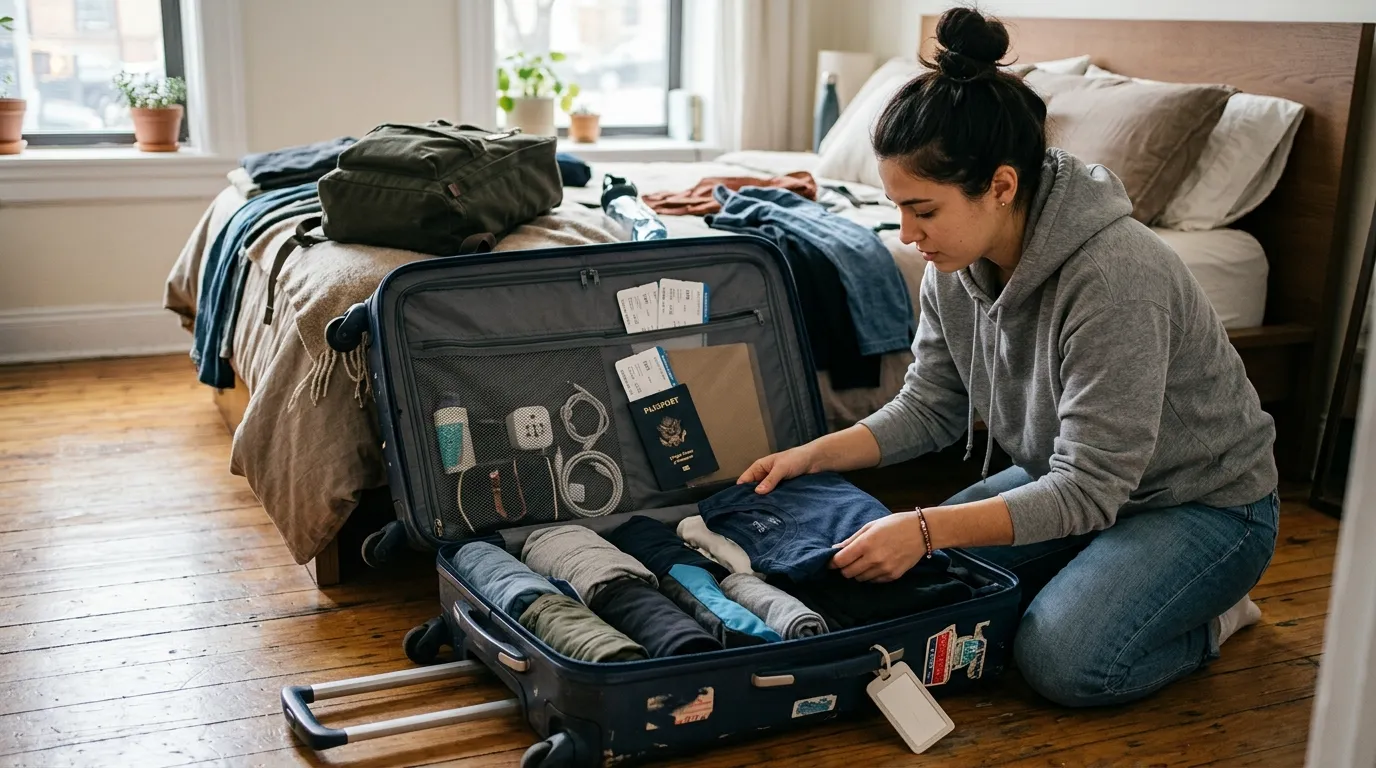
Checked luggage offers more space, but it also presents unique challenges. Baggage handlers are not always gentle, and weight limits are strictly enforced. Using the right packing tips for air travel protects your belongings from the rough journey in the cargo hold.
Weight Limits and Distribution
Most major airlines enforce a strict weight limit of 50 pounds for checked bags in economy class. Always check your specific airline’s policy before you start packing. Invest in a digital luggage scale and weigh your bag before leaving for the airport. This prevents the embarrassing and expensive scenario of frantically unpacking items at the check-in counter.
When loading your checked bag, place the heaviest items at the bottom near the wheels. This includes shoes, thick denim, and bulky toiletry bags. Placing heavy items at the base gives your suitcase a lower center of gravity, making it much easier to roll through the airport without tipping over.
Protecting Fragile Items
If you are transporting souvenirs, wine bottles, or delicate equipment, you must create a protective buffer. Do not place fragile items near the hard edges or zippers of your suitcase. Instead, nestle them directly in the center of your bag.
Wrap fragile items in thick clothing, such as sweaters or towels. For liquids like wine or olive oil, use specialized inflatable bottle protectors or seal them tightly in heavy-duty waterproof bags. This ensures that even if a bottle breaks, the liquid will not ruin your entire travel wardrobe. If you plan to buy items on your trip, review our guide on choosing the right travel insurance to ensure your purchases are covered against transit damage.
Optimizing Your Personal Item
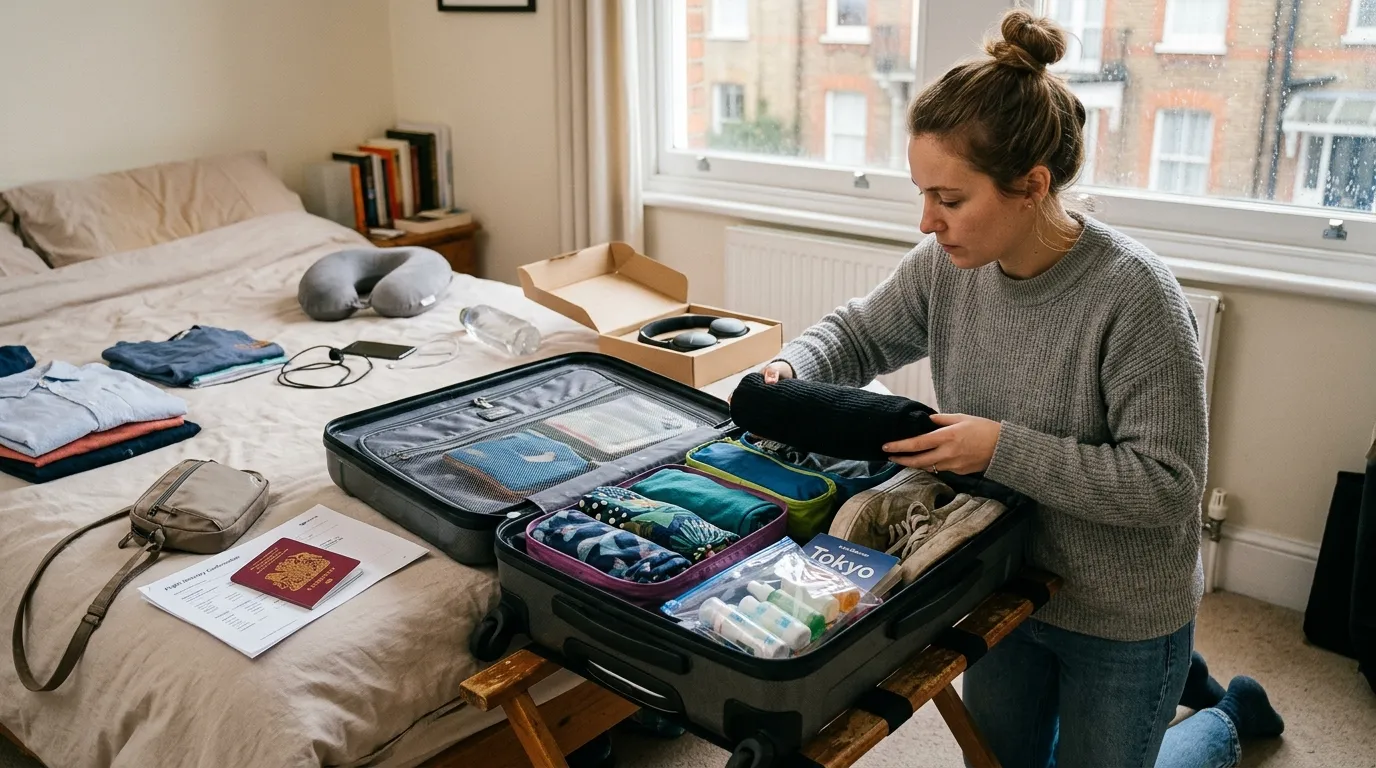
Airlines generally allow one carry-on bag and one personal item. Your personal item must fit under the seat in front of you. This is usually a backpack, tote bag, or large purse. Utilizing this space effectively is one of the most crucial packing tips for air travel.
In-Flight Comfort Kit
Your personal item should hold everything you need to stay comfortable during the flight. You do not want to stand up and open the overhead bin while the seatbelt sign is illuminated. Create a small in-flight comfort kit containing a neck pillow, an eye mask, foam earplugs, and noise-canceling headphones.
Airplanes are notoriously dry and chilly. Pack a travel-sized moisturizer, lip balm, and a hydrating nasal spray to combat the cabin air. Always bring an extra layer, like a lightweight cardigan or a versatile pashmina scarf, which can double as a blanket if the cabin temperature drops.
Important Documents and Valuables
Never put your passport, identification, cash, credit cards, or prescription medications in your checked luggage. These items must remain on your person at all times. Use a secure travel wallet or a crossbody bag to keep your documents organized and safe from pickpockets.
Keep a printed copy of your itinerary, hotel reservations, and emergency contacts in your personal item. While smartphones hold all our digital boarding passes and details, a dead battery or a lost phone can leave you stranded. Having physical backups guarantees you will always know where you are going. If you need help organizing your trip details, read our tips on travel itinerary planning to keep everything structured.
Space-Saving Techniques and Organization
Fitting a week’s worth of clothing into a small suitcase feels like a puzzle. Utilizing space-saving packing tips for air travel ensures you can bring everything you need without forcing your suitcase zipper to the breaking point.
Rolling vs. Folding
The debate between rolling and folding is common among frequent flyers. Rolling your clothes tightly is generally superior for casual wear. It saves a massive amount of space and significantly reduces deep creases. Roll your t-shirts, jeans, leggings, and knitwear tightly like small burritos.
Folding is better reserved for formal wear, structured dress shirts, and bulky jackets. For garments prone to wrinkling, place a sheet of tissue paper between the folds to reduce friction. You can also employ the bundle packing method, where you wrap smaller items of clothing inside larger ones, creating a tension-free bundle that prevents sharp creases.
Maximizing Dead Space
Look for unused space inside your luggage. The insides of your shoes are perfect hiding spots for rolled-up socks, underwear, or fragile items like sunglasses. This not only saves room but also helps your shoes maintain their shape during transit.
Wear your bulkiest items on the plane. If you are traveling to a cold destination, wear your heavy winter coat, chunky boots, and thickest sweater during the flight. This frees up massive amounts of square footage inside your luggage.
Comparison Table: Packing Tools
Selecting the right organizational tool makes a huge difference. Here is a comparison of popular methods to help you implement the best packing tips for air travel.
|
Tool Type |
Best Used For |
Pros |
Cons |
|---|---|---|---|
|
Packing Cubes |
General clothing, organization |
Keeps items categorized, easy to unpack |
Does not compress items significantly |
|
Compression Bags |
Bulky clothing, jackets, sweaters |
Removes excess air, saves maximum space |
Can cause severe wrinkling |
|
Vacuum Bags |
Extended trips, moving abroad |
Flattens massive piles of clothing |
Requires a vacuum to repack for the return trip |
|
Tech Organizers |
Cables, chargers, adapters |
Prevents tangling, protects fragile cords |
Takes up a fixed amount of space |
Navigating TSA Regulations Smoothly
Airport security is often the most stressful part of flying. Incorporating security-focused packing tips for air travel helps you breeze through the checkpoint without holding up the line or having your items confiscated.
Before you leave for the airport, double-check your pockets for loose change, keys, and restricted items like pocket knives or oversized liquids. Wear slip-on shoes to easily remove them at the scanner. Avoid wearing complex boots with multiple laces or buckles. Keep your belt packed in your bag until you pass security to save time.
If you travel frequently, consider applying for TSA PreCheck or Global Entry. These programs allow you to keep your shoes, belts, and light jackets on. You also get to leave your laptops and 3-1-1 liquids bag inside your carry-on. The convenience is well worth the application fee for frequent flyers. For global travel advice and gear reviews, resources like Outside Online provide excellent insights into preparing for rugged international transit.
Creating the Ultimate Packing List
The most effective packing tips for air travel rely on preparation. Creating a comprehensive packing list prevents you from forgetting vital items and stops you from panic-packing unnecessary gear at the last minute.
Start your list a week before your departure. Divide it into categories: clothing, toiletries, electronics, documents, and miscellaneous. Check the weather forecast for your destination and plan your outfits by the day. Stick to a cohesive color palette so you can mix and match tops and bottoms, reducing the total number of garments you need to bring.
As you place items into your suitcase, check them off your list. Keep the list in your bag during your trip. When it is time to return home, use the exact same list to ensure you do not leave any chargers, socks, or souvenirs behind in your hotel room. If you are struggling with what to bring on an outdoor trip, explore our article on best travel backpacks to find the right vessel for your gear.
Common Mistakes to Avoid
Even experienced travelers make errors. Avoid these common pitfalls to make your packing tips for air travel highly effective.
Do not pack items “just in case.” Packing three extra formal outfits for a beach vacation simply wastes space. Be realistic about your itinerary. If you do not wear an item at home, you will not magically wear it on vacation. Stick to comfortable, reliable wardrobe staples.
Never pack your essential medications in checked luggage. If your bag is delayed or lost, replacing prescriptions in a foreign country is a logistical nightmare. Always keep a few days’ worth of daily medications, pain relievers, and bandages in your personal item.
Avoid packing full-sized toiletries. Even if you are checking a bag and the liquid limits do not apply, carrying heavy bottles of shampoo and lotion adds unnecessary weight. Rely on travel-sized containers or purchase basic toiletries once you arrive at your destination.
Pro Tips and Expert Insights
To truly travel like a professional, integrate these advanced packing tips for air travel into your routine.
First, utilize the power of a digital tracking tag. Place an Apple AirTag or a similar Bluetooth tracker inside your checked luggage and your carry-on. If the airline loses your bag, you can pull up your smartphone and pinpoint its exact location globally. This provides immense peace of mind and helps airline staff locate your belongings faster.
Second, always bring a reusable water bottle. Empty it before going through security, and fill it up at a water fountain near your gate. This keeps you hydrated during the flight without relying on the tiny plastic cups provided by flight attendants.
Finally, pack a compact, foldable tote bag or laundry bag. Use it to separate your dirty laundry from your clean clothes as your trip progresses. If you buy too many souvenirs and your suitcase is overweight on the return trip, you can use the foldable tote as your personal item to carry the overflow.
Conclusion
Implementing these packing tips for air travel will completely revolutionize the way you fly. By preparing your carry-on strategically, respecting TSA rules, and maximizing the space in your checked luggage, you guarantee a smooth and highly organized journey from departure to arrival.
Are you ready to pack smarter for your next big adventure? Grab your suitcase, write your master packing list, and start rolling those clothes. Safe travels!
Frequently Asked Questions (FAQs)
What are the most important packing tips for air travel?
The most crucial packing tips for air travel include making a detailed checklist, rolling your clothes to save space, keeping all essential medications and documents in your personal item, and adhering strictly to TSA liquid rules to ensure a seamless security experience.
What is the 3-1-1 rule for flying?
The 3-1-1 rule states that you can bring liquids, aerosols, and gels in your carry-on bag as long as they are in containers of 3.4 ounces (100ml) or less. All containers must fit into one quart-sized, clear, resealable plastic bag.
Should I roll or fold my clothes in a suitcase?
Rolling clothes is generally better for casual fabrics like cotton and polyester, as it saves space and minimizes deep creases. Folding is best reserved for formal garments, structured shirts, and bulky items like heavy coats.
What items should I always pack in my carry-on?
You should always pack your passport, identification, boarding passes, cash, credit cards, essential daily medications, and expensive electronics like laptops and cameras in your carry-on. Never put these irreplaceable items in checked baggage.
How can I avoid overweight baggage fees?
To avoid overweight fees, invest in a portable digital luggage scale and weigh your suitcase before leaving home. Wear your heaviest shoes and thickest jackets on the plane, and avoid packing heavy full-sized toiletries.
Are packing cubes actually worth the money?
Yes, packing cubes are excellent for organization. They allow you to categorize your clothing, compress garments slightly, and make it incredibly easy to unpack your suitcase when you arrive at your hotel without creating a messy pile.
What is the best way to pack shoes in luggage?
Place your shoes at the very bottom of your suitcase near the wheels to balance the weight. Stuff the insides of your shoes with rolled socks or belts to save space and help the footwear maintain its shape. Place them in shower caps to keep clothes clean.
Can I bring snacks through airport security?
Yes, solid food items like granola bars, sandwiches, and crackers are allowed through security. However, foods that are liquid or paste-like, such as peanut butter, yogurt, or hummus, must adhere to the 3.4-ounce liquid limits.
How do I prevent my toiletries from leaking on an airplane?
Changes in cabin air pressure cause bottles to expand and leak. To prevent this, unscrew the cap of your bottles, place a small piece of plastic wrap over the opening, and screw the cap back on tightly. Keep all liquids in a sealed waterproof bag.
What should I wear to the airport to make security faster?
Wear comfortable clothing with minimal metal hardware. Choose slip-on shoes that are easy to take off and put back on. Avoid wearing belts or heavy jewelry until you are through the security checkpoint to prevent setting off the metal detectors.