We have all experienced the anxiety of staring at a computer screen, watching airfare prices jump up and down, and wondering when to finally click the buy button. The travel industry is notorious for its fluctuating pricing models, making the process of securing a cheap ticket feel more like a casino game than a simple transaction. If your ultimate goal is to Book a Flight for the Best Price, you must understand the complex algorithms and timing strategies that airlines use. Securing affordable airfare is not about luck; it is about timing, strategy, and knowing exactly how the travel industry operates. In this comprehensive guide, we will break down everything you need to know to reliably Book a Flight for the Best Price, no matter where your travel dreams take you.
This article provides a masterclass on timing your travel purchases to guarantee you always Book a Flight for the Best Price. We dive deep into the dynamic pricing algorithms airlines use, outlining the exact booking windows for both domestic and international trips. You will learn how to leverage powerful flight comparison tools, maximize your travel credit card rewards, and safely utilize advanced booking strategies like hidden city ticketing. We also debunk common travel myths, highlight the biggest mistakes travelers make, and provide a structured comparison table so you can easily reference the best times to buy your tickets.
The Economics of Airfare: What Influences the Cost?
Before you can confidently Book a Flight for the Best Price, you must understand why ticket costs fluctuate so wildly. Airlines do not use static pricing. Instead, they rely on complex, AI-driven dynamic pricing algorithms that adjust fares in real-time based on a multitude of factors.
Seasonality and Peak Travel Times
The time of year you choose to fly has a massive impact on your wallet. Peak seasons, such as summer vacation months (June through August) and major holidays (Thanksgiving, Christmas, and New Year), see a massive surge in demand. When demand is high, airlines have no incentive to lower prices. If you want to Book a Flight for the Best Price during these peak times, you must secure your ticket much earlier than you would for an off-peak trip. Conversely, traveling during the “shoulder season”—the period right before or after peak season—often yields the most significant discounts.
Supply, Demand, and Seat Availability
Every commercial flight is divided into various fare classes, even within the economy cabin. As the cheapest fare classes sell out, the booking system automatically bumps the price up to the next available fare class. This is why prices generally skyrocket in the final weeks before departure; business travelers and last-minute flyers are desperate for seats, and airlines capitalize on that urgency.
Airline Pricing Policies and Fuel Costs
Global economic factors also play a role. When the cost of jet fuel rises, airlines pass those expenses onto the consumer. Additionally, budget airlines and legacy carriers operate on different pricing models. Budget carriers might release cheap baseline fares early on, charging extra for luggage and seat selection, while legacy carriers might fluctuate their prices more frequently to compete with other major airlines. To better navigate these differences, check out our comprehensive airline comparison guide.
The Optimal Booking Windows: Domestic vs. International
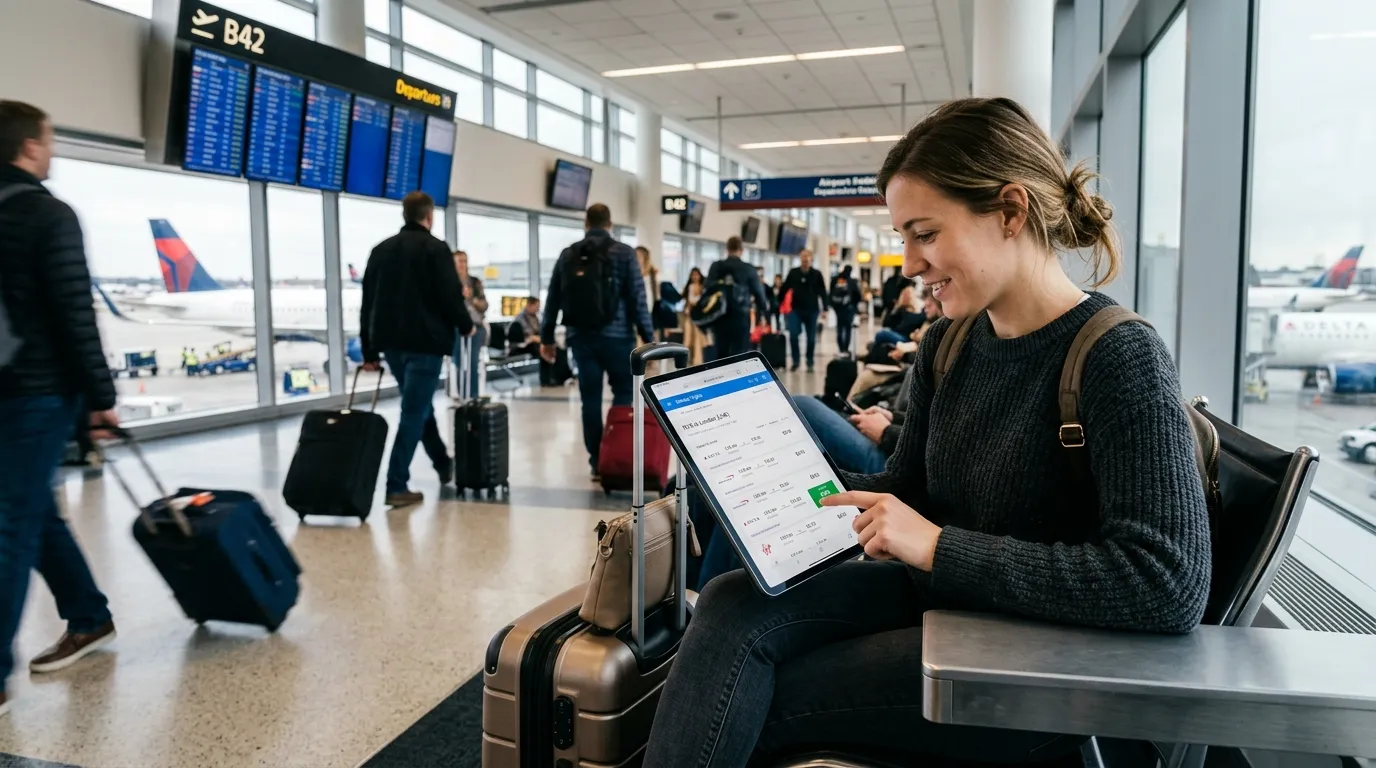
To consistently Book a Flight for the Best Price, you need to understand the ideal “Goldilocks window” for purchasing your ticket. Buying too early can be just as detrimental as buying too late.
Domestic Flights
For domestic travel within your home country, the sweet spot generally falls between one and three months before your departure date. Data from leading travel aggregators suggests that the absolute lowest prices for domestic flights typically appear around 40 to 60 days before takeoff.
If you book more than three months in advance, airlines have not yet begun actively managing the flight’s yield, meaning prices are often set at a conservative, higher baseline. If you wait until less than 21 days before departure, the cheap seats are usually gone, and you will pay a hefty premium.
International Flights
International travel requires a longer runway. To Book a Flight for the Best Price for an international vacation, you should aim to finalize your purchase two to eight months in advance.
- Europe: The best deals are usually found three to six months prior to departure.
- Asia and the Pacific: Aim for four to seven months out.
- The Caribbean and Latin America: Two to four months in advance is generally sufficient.
During peak international travel seasons, such as European summer holidays, push these windows to the maximum length. Waiting for last-minute international deals is highly risky and rarely pays off.
Booking Windows Comparison Table
To help you visualize the data and ensure you Book a Flight for the Best Price, here is a structured comparison table outlining the optimal booking windows for various travel scenarios:
|
Travel Scenario |
Ideal Booking Window |
Absolute Deadline |
Best Time of Year to Fly |
|---|---|---|---|
|
Domestic (Off-Peak) |
1 to 3 months |
21 days prior |
September – November |
|
Domestic (Peak/Holidays) |
3 to 5 months |
45 days prior |
N/A (Always high demand) |
|
International (Europe) |
3 to 6 months |
60 days prior |
October – May |
|
International (Asia/Pacific) |
4 to 7 months |
90 days prior |
Varies by monsoon season |
|
International (Caribbean) |
2 to 4 months |
30 days prior |
Hurricane season (Aug-Oct) |
Mastering Flight Comparison Tools
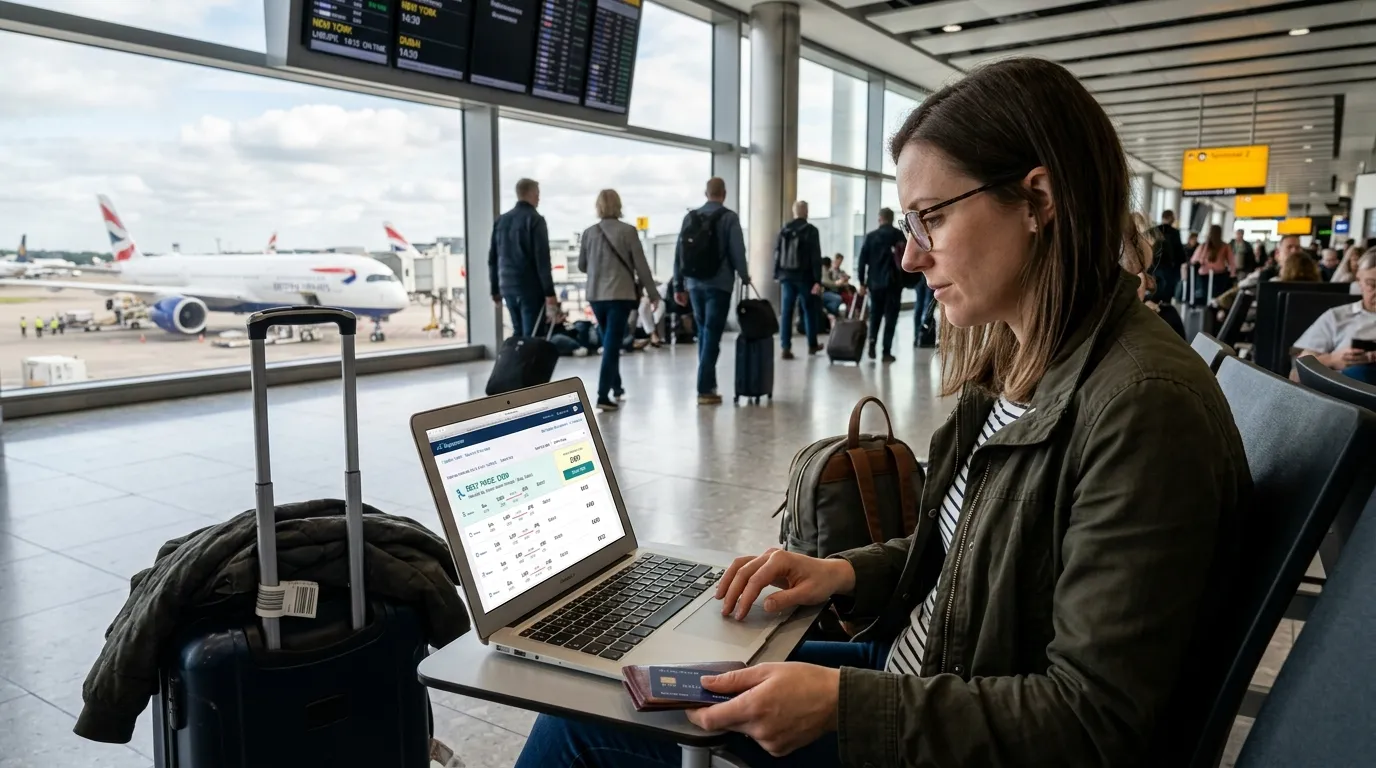
You cannot reliably Book a Flight for the Best Price by simply checking a single airline’s website. You must leverage powerful search engines and aggregators to scan the entire market simultaneously. According to experts at Forbes Advisor, utilizing multiple tools is the best way to uncover hidden discounts.
Google Flights
Google Flights is arguably the most powerful tool for tracking airfare trends. Its intuitive calendar view instantly shows you the cheapest days to fly within a given month. The platform also offers a “Price Graph” and a “Date Grid” that allow you to adjust your trip length to find the lowest possible fare. Furthermore, Google Flights tells you whether the current price is considered low, average, or high compared to historical data.
Skyscanner
Skyscanner excels at flexibility. If your goal is simply to Book a Flight for the Best Price and you do not care about the destination, use Skyscanner’s “Everywhere” search feature. You simply enter your home airport and your travel dates, and Skyscanner will populate a list of the cheapest destinations around the globe. This is a fantastic resource for spontaneous travelers and digital nomads.
Momondo
Momondo is renowned for its comprehensive search capabilities. It often checks smaller OTAs (Online Travel Agencies) and regional airlines that larger platforms might miss. Momondo also provides excellent visual graphs at the top of its search results, allowing you to instantly see how shifting your travel dates by a few days can significantly lower your costs.
The Role of Loyalty Programs and Travel Credit Cards
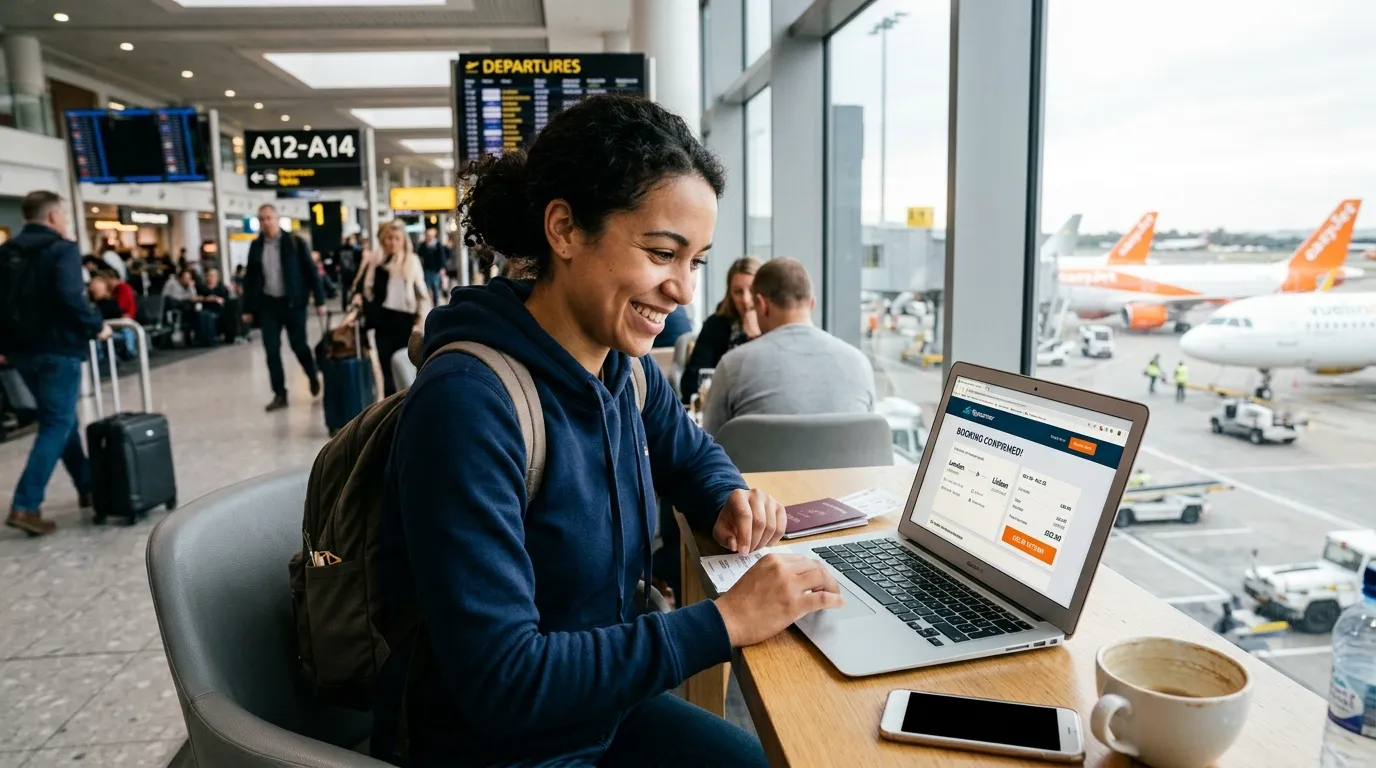
Sometimes, the best way to Book a Flight for the Best Price is to not pay for it with cash at all. Leveraging travel credit cards and airline loyalty programs can offset massive travel expenses.
Co-Branded Airline Cards vs. General Travel Cards
If you consistently fly with one specific carrier, a co-branded airline credit card can provide immense value through free checked bags, priority boarding, and frequent flyer miles. However, for maximum flexibility, a general travel rewards card is usually superior. These cards allow you to accumulate transferable points that can be moved to various airline partners. For a deeper dive into maximizing your points, read our travel rewards strategy guide.
Earning and Redeeming Points
You earn points through daily spending, sign-up bonuses, and dining out. When you are ready to book, compare the cash price of the ticket to the point redemption value. If you can get more than 1.5 to 2 cents per point, booking with rewards is highly recommended. Utilizing these programs ensures that when you need to Book a Flight for the Best Price, you have alternative currencies to lean on.
Busting Common Booking Myths
The internet is full of outdated advice and travel myths that can actually cost you money. Let’s clear the air so you can accurately Book a Flight for the Best Price.
The “Tuesday Myth”
For years, travel blogs claimed that Tuesday at 3:00 PM was the absolute best time to buy a ticket. This is entirely false. With modern dynamic pricing algorithms, airlines adjust their fares constantly, seven days a week. While flying on a Tuesday or Wednesday is often cheaper than flying on a Sunday, the actual day you sit down at your computer to purchase the ticket does not systematically matter.
The Incognito Mode Fallacy
Many travelers religiously use their browser’s “Incognito Mode,” believing airlines track their cookies and artificially inflate prices when they repeatedly search the same route. While it is always good practice to clear your cache, comprehensive studies by platforms like Thrifty Nomads have shown that airlines do not systematically raise prices based on individual browser cookies. Prices change because seats are selling and demand is shifting, not because the airline is watching your specific IP address.
Advanced Booking Strategies
If you are an adventurous traveler willing to accept a little risk, there are advanced techniques you can use to Book a Flight for the Best Price.
Error Fares
Sometimes, airlines make massive pricing mistakes due to currency conversion errors or human data entry mistakes. These are known as error fares or mistake fares. You might find a first-class ticket to Tokyo for $300 instead of $3,000. To catch these, you must subscribe to deal-alert newsletters and act immediately, as airlines usually correct these mistakes within hours.
Hidden City Ticketing (Skiplagging)
Hidden city ticketing occurs when a flight connecting through your desired destination is cheaper than flying there directly. For example, if you want to fly from New York to Atlanta, a direct flight might cost $300. However, a flight from New York to Los Angeles with a layover in Atlanta might only cost $150. You book the Los Angeles ticket, exit the airport in Atlanta, and simply skip the second leg.
Warning: Airlines actively penalize this behavior. You cannot check bags (as they will go to the final destination), and if you are caught doing this frequently, the airline may ban you or confiscate your frequent flyer miles.
Self-Transfer Itineraries
Instead of booking a single ticket from point A to point C, you book two separate tickets on two different, unpartnered airlines. For example, you fly Airline X to a major hub, and then book Airline Y to your final destination. This can yield massive savings, but it requires you to collect and recheck your baggage during the layover. If the first flight is delayed and you miss the second, neither airline is responsible for rebooking you. You must leave plenty of time between flights if you attempt this strategy. Check out our budget airline survival guide for tips on navigating multiple carriers.
Common Mistakes to Avoid
Even seasoned travelers make errors. If you want to successfully Book a Flight for the Best Price, ensure you avoid these massive pitfalls:
- Waiting for Last-Minute Deals: Last-minute deals are largely a relic of the past. In the modern era, waiting until the final two weeks guarantees you will pay a massive premium.
- Ignoring Baggage Fees: Budget airlines often display shockingly low baseline fares. However, once you add a carry-on bag, a checked bag, and seat selection, the final price might be higher than a legacy carrier that includes these perks. Always compare the final checkout price.
- Inflexible Dates: Rigidity is the enemy of budget travel. If you can only fly out on a Friday evening and return on a Sunday afternoon, you will always pay top dollar.
- Booking Too Early: As mentioned earlier, booking a domestic flight ten months in advance usually means you are paying a high baseline fare before the airline’s algorithm begins offering competitive discounts.
Pro Tips and Expert Insights
To elevate your travel hacking skills and guarantee you Book a Flight for the Best Price every single time, keep these expert insights in mind:
Expert Insight: Use the 24-Hour Cancellation Rule. In the United States, the Department of Transportation mandates that airlines must allow you to cancel a non-refundable ticket within 24 hours of booking without any penalty (provided the flight is at least seven days away). If you find a great fare, book it immediately to lock it in. You have 24 hours to double-check with your boss or your spouse and cancel if necessary.
Pro Tip: Set up price alerts well in advance. As soon as you know you want to take a trip, plug your route into Google Flights and turn on price tracking. Let the algorithm do the heavy lifting and notify your email when the price drops to a historical low.
Expert Insight: Consider alternative airports. Major international hubs are often more expensive to fly into than secondary regional airports. For example, if you are flying to London, check prices for Gatwick or Stansted instead of just Heathrow. The savings usually vastly outweigh the cost of a train ticket into the city center.
Conclusion
Learning how to consistently Book a Flight for the Best Price takes patience, flexibility, and a solid understanding of how the travel industry operates. By recognizing the optimal booking windows, mastering powerful aggregator tools like Google Flights and Skyscanner, and avoiding common myths and mistakes, you can drastically reduce your travel expenses. Remember that flexibility is your greatest weapon against high airfare. Start setting up your price alerts today, remain open to alternative dates and airports, and take control of your travel budget. Ready to plan your next adventure? Head over to your favorite flight aggregator now and start exploring the world for less!
FAQs
1. How do I Book a Flight for the Best Price consistently?
To Book a Flight for the Best Price consistently, use flight aggregators like Google Flights, set up price tracking alerts early, maintain flexible travel dates, and purchase your tickets within the optimal booking window (1-3 months for domestic, 2-8 months for international).
2. Are flights really cheaper if you buy them on a Tuesday?
No, this is a widespread myth. While flying on a Tuesday is often cheaper due to lower demand, the actual day of the week you purchase the ticket does not dictate the price. Airlines use dynamic pricing that changes constantly throughout the week.
3. How far in advance should I book a domestic flight?
For domestic flights, the best time to book is usually between 40 to 60 days before your departure. Try to finalize your purchase within the one-to-three-month window to secure the lowest rates.
4. How far in advance should I book an international flight?
International flights require more planning. Aim to book between two and eight months in advance. For highly popular destinations like Europe during the summer, closer to six months is highly recommended.
5. Does searching in Incognito Mode actually lower flight prices?
No. Extensive testing has proven that airlines do not track your individual searches to artificially inflate prices based on your cookies. Prices fluctuate based on available inventory and global demand.
6. What is a mistake fare, and how do I find one?
A mistake fare (or error fare) occurs when an airline accidentally prices a ticket significantly lower than intended due to a glitch or human error. You can find them by subscribing to specialized deal-alert services and acting quickly before the airline fixes the error.
7. Is hidden city ticketing illegal?
Hidden city ticketing is not strictly illegal, but it violates the airline’s contract of carriage. If an airline catches you doing this frequently, they have the right to cancel your return ticket, confiscate your frequent flyer miles, or ban you from the airline.
8. Why are last-minute flights so expensive?
Airlines know that last-minute travelers are usually business professionals or people dealing with emergencies. These travelers are relatively price-insensitive, so airlines raise the prices on the few remaining seats to maximize their profits.
9. Do budget airlines actually save you money?
Budget airlines can save you money, but only if you travel light. They charge extra for carry-on bags, checked luggage, seat selection, and even water on board. Always compare the total final cost with a legacy carrier before booking.
10. What is the 24-hour cancellation rule?
In the United States, federal law requires airlines to offer a full refund for any flight canceled within 24 hours of booking, as long as the ticket was purchased at least seven days before the flight’s departure. This allows you to lock in a good price while finalizing your plans.