
Everyone loves a great vacation, but nobody wants to overpay for their airline tickets. If you are constantly wondering when do flight prices drop, you are in the right place to uncover the secrets of airline pricing.
This guide breaks down exactly when do flight prices drop so you can maximize your travel budgets. You will learn how to master booking windows, leverage dynamic pricing algorithms, and avoid costly mistakes. Get ready to discover actionable strategies that will help you score the cheapest flights possible.
The Science of Airfare: When Do Flight Prices Drop?
Airlines use highly sophisticated algorithms to determine the cost of a seat. These dynamic pricing models adjust fares constantly based on supply, demand, competitor pricing, and historical data. Understanding how these algorithms function is the first step in figuring out when do flight prices drop.
Dynamic Pricing Algorithms Explained
Dynamic pricing means that ticket costs fluctuate in real-time. If a route suddenly sees a spike in searches, the algorithm automatically increases the price. Conversely, if an aircraft has too many empty seats nearing the departure date, the system might trigger a sudden fare reduction. Airlines want to maximize revenue for every single flight. They know business travelers will pay premium rates at the last minute, while leisure travelers prefer to book early.
Understanding Supply and Demand
The fundamental rule of economics applies heavily to the aviation industry. Prices soar during peak travel seasons like summer vacations and winter holidays because demand is overwhelmingly high. During these periods, you rarely see significant price reductions. However, during shoulder seasons—like late spring or early autumn—demand dips. This is typically when do flight prices drop as airlines scramble to fill empty seats. Incorporating flexible dates into your vacation planning is the most effective way to exploit these drops.
Key Factors That Cause Airline Ticket Prices to Fall

Predicting when do flight prices drop requires looking at several overlapping variables. While you cannot predict exact moments with absolute certainty, you can monitor the trends that reliably push fares downward.
Seasonality and Shoulder Seasons
Seasonality dictates the baseline cost of your ticket. For instance, flying to Europe in July will always cost more than flying there in November. The transition periods between high and low seasons are known as shoulder seasons. These are the golden times for budget travelers. During shoulder seasons, weather is usually still pleasant, but the massive tourist crowds have disappeared. Airlines predictably lower their rates to stimulate demand during these quiet months.
The Days of the Week Myth vs. Reality
You have probably heard the rumor that Tuesday is the magical day to buy tickets. Years ago, airlines manually loaded their sales on Monday nights, making Tuesday mornings the best time to shop. Today, advanced algorithms operate 24/7. While the day you buy your ticket matters very little, the day you actually fly matters immensely. Tuesdays, Wednesdays, and Saturdays remain the cheapest days to take to the skies. Business travelers usually fly on Mondays and Fridays, while vacationers prefer to depart on Fridays and return on Sundays. Choosing midweek departures dramatically increases your chances of finding cheaper fares.
Competitor Sales and Route Expansions
When a low-cost carrier opens a new route, legacy airlines almost always drop their prices to compete. This creates a temporary fare war that benefits the consumer. If you want to know when do flight prices drop, keep an eye on airline route announcements. Whenever multiple airlines fly the exact same path, prices naturally remain lower. You can use tools like Google Flights to monitor multiple airlines across specific routes to catch these competitive price drops.
The Booking Window: Exactly When Do Flight Prices Drop?

Timing your purchase is crucial. Buy too early, and you pay a premium for securing your spot. Buy too late, and you pay a penalty for last-minute urgency. The ideal timeframe is often referred to as the “Goldilocks Window.”
The Goldilocks Window for Domestic Travel
For domestic flights, the sweet spot usually lands between one and three months before your departure date. During this window, airlines begin to evaluate their seat inventory. If a flight is under-booked, this is the exact timeframe when do flight prices drop to attract buyers. Waiting until the final three weeks before a flight is incredibly risky. Airlines assume anyone booking within 21 days is a corporate traveler with a flexible corporate card, and they hike prices accordingly.
The Ideal Time for International Travel
International travel requires more foresight. The best time to secure international fares is typically between three and eight months prior to your trip. Because international flights represent a larger investment, airlines adjust these prices much earlier than domestic routes. If you plan to fly to a highly desirable location during peak season, you should book even earlier. Leveraging your frequent flyer miles during these early windows can also help you secure premium cabins before they sell out. You can cross-reference historic price trends using platforms like Skyscanner to see what a “good” price looks like for your specific destination.
Comparison Table: Peak vs. Off-Peak Booking Windows
To help you visualize the best times to book, review this structured comparison table detailing when you should finalize your purchases.
|
Trip Type |
Season |
Ideal Booking Window |
When Do Flight Prices Drop? |
|---|---|---|---|
|
Domestic |
Off-Peak |
1 to 2 months out |
45 to 60 days before departure |
|
Domestic |
Peak (Holidays) |
3 to 5 months out |
Early autumn for winter holidays |
|
International |
Off-Peak |
2 to 6 months out |
3 to 4 months before departure |
|
International |
Peak (Summer) |
4 to 8 months out |
Rarely drop; book early |
Proven Strategies to Track When Do Flight Prices Drop
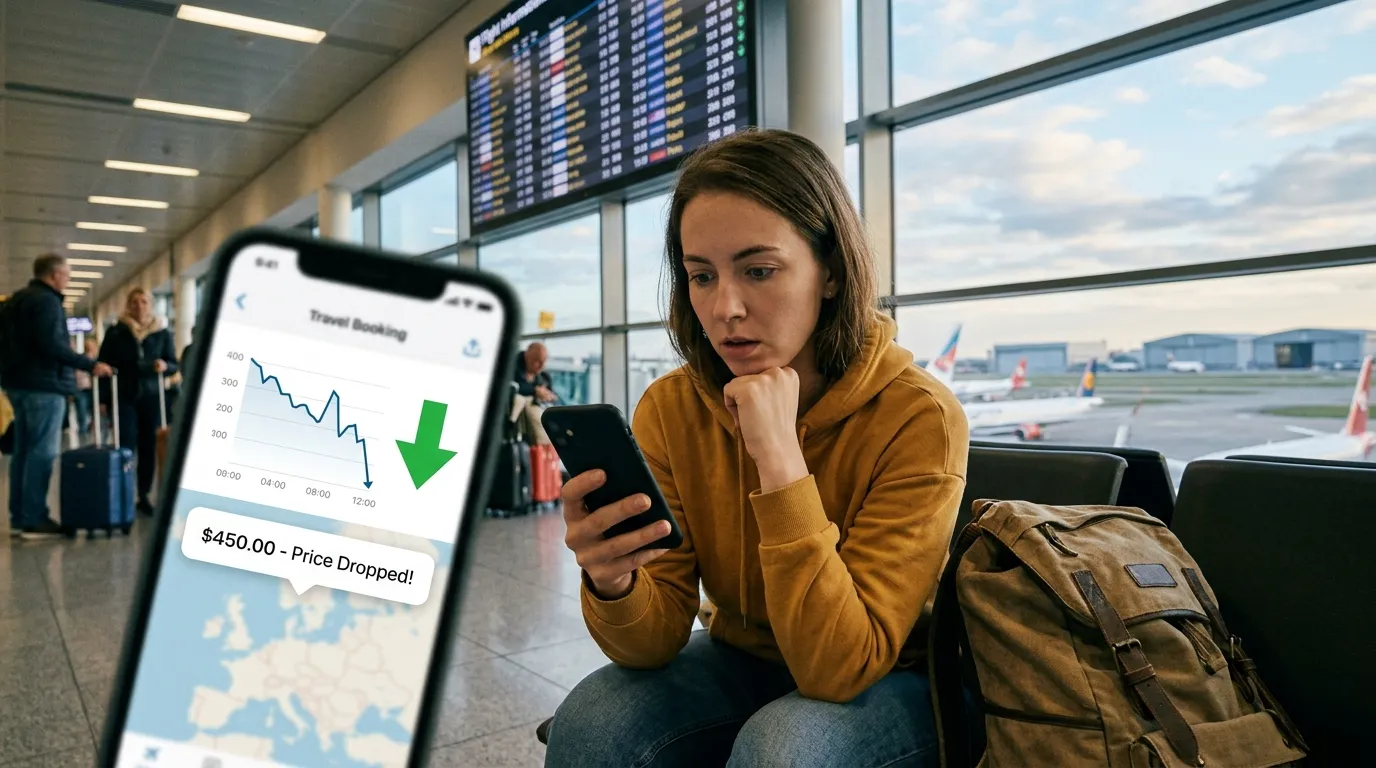
You do not need to sit at your computer hitting refresh all day to find good deals. Technology can do the heavy lifting for you.
Utilizing Price Alerts
Setting up automated price tracking is the single best strategy for securing cheap airfare. Platforms like Hopper and Kayak allow you to input your desired destination and travel dates. The app will then monitor the algorithms for you. When do flight prices drop, you receive an instant push notification on your phone. This takes the emotion and guesswork out of the booking process.
Exploring Alternative Airports and Routes
Flexibility is the ultimate currency in budget travel. If you want to force a price drop, look at alternative airports. Flying into a secondary regional airport is frequently much cheaper than landing at a massive international hub. Furthermore, consider booking a flight with a layover. Direct flights command a convenience premium. Opting for a brief layover can slash your ticket price significantly. Before booking complex itineraries, consider securing travel insurance to protect your investment against unforeseen delays or cancellations.
Common Mistakes to Avoid When Booking Flights
Even experienced travelers fall into pricing traps. Avoid these common errors to ensure you secure the best deal possible.
- Waiting for Last-Minute Deals: The era of massive last-minute discounts is largely over. Airlines now prefer to fly with a few empty seats rather than drastically devalue their product at the eleventh hour.
- Ignoring Ancillary Fees: Budget airlines often advertise incredibly low base fares. However, once you add fees for carry-on bags, seat selection, and boarding passes, the ticket might cost more than a legacy carrier. Always calculate the final price.
- Being Too Rigid with Dates: Refusing to shift your travel dates by even one or two days can cost you hundreds of dollars. Use flexible calendar views to identify cheaper departure days.
- Believing the Incognito Mode Myth: There is no substantial evidence that airlines track your cookies to artificially inflate prices on your specific browser. Fares change based on global demand, not your individual search history.
Pro Tips and Expert Insights for Scoring Cheap Flights
To truly master airline booking, apply these expert-level strategies to your next search.
- Book the First Flight of the Day: Early morning flights are statistically less likely to be delayed. Because fewer people want to wake up at 3:00 AM, these flights also tend to be noticeably cheaper.
- Use the 24-Hour Cancellation Rule: In many countries, transportation regulations require airlines to offer a full refund if you cancel within 24 hours of booking (provided the flight is more than a week away). If you see a great fare, lock it in. You have 24 hours to finalize your hotel and time off work. Check the US Department of Transportation guidelines for specific passenger rights.
- Book Separate One-Way Tickets: Sometimes, flying outbound on one airline and returning on a completely different airline is cheaper than a standard round-trip ticket. Mix and match carriers to build the most economical itinerary.
Mini-Conclusion: Staying Ahead of Fare Changes
Finding cheap flights requires a mixture of patience, flexibility, and technological assistance. By understanding the dynamic nature of airline algorithms, you empower yourself to make informed purchasing decisions. Monitoring the Goldilocks window and staying flexible with your airports guarantees you will spot the dips in pricing.
Conclusion
Securing affordable airfare does not have to be a frustrating guessing game. By understanding exactly when do flight prices drop, you can confidently navigate the booking process and save substantial amounts of money. Remember to set up fare alerts, remain flexible with your travel dates, and book during the ideal windows. Start tracking your next dream vacation today and watch those ticket prices fall.
FAQs
When do flight prices drop the most?
Fares typically drop the most during the “Goldilocks window,” which is 1 to 3 months before a domestic flight and 3 to 8 months before an international flight.
Is Tuesday really the best day to book a flight?
No, this is a very common myth. The day of the week you purchase your ticket has virtually no impact on the price. Fares fluctuate continuously based on real-time supply and demand.
What are the cheapest days of the week to actually fly?
Tuesdays, Wednesdays, and Saturdays are statistically the cheapest days to fly because they see the lowest volume of business and weekend vacation travelers.
Do flight prices go down at the last minute?
Very rarely. Airlines usually increase prices within 21 days of departure to capitalize on urgent, last-minute travelers and corporate flyers who are not price-sensitive.
How can I track flight prices automatically?
You can use tools like Google Flights, Hopper, or Kayak to set up automated fare alerts. These tools will send you an email or push notification the moment the price drops for your specific route.
Does searching in incognito mode get me cheaper flights?
No. There is no verified evidence that airlines use your browser cookies to raise prices. Fares change based on overall seat inventory and market demand, not individual browsing habits.
Are budget airlines always cheaper?
Not always. While their base fares are lower, budget carriers charge extra for everything from carry-on bags to water. Always compare the total final price against a full-service legacy carrier.
When should I book flights for major holidays?
For major holidays like Thanksgiving or Christmas, you should book as early as possible. Prices for these peak periods almost never drop, so booking 3 to 5 months in advance is highly recommended.
Why did my flight price increase overnight?
Prices increase because the airline’s algorithm detected a surge in demand, or a lower-priced fare bucket simply sold out. Airfare is dynamic and can change multiple times a day.
Is it cheaper to book two one-way tickets instead of a round-trip?
Sometimes. Mixing and matching airlines by booking two separate one-way tickets can occasionally result in a cheaper overall itinerary than booking a traditional round-trip fare with a single carrier.