
Are you planning your next trip and wondering exactly what is a domestic flight? This guide explains everything you need to navigate your journey with complete confidence.
This comprehensive article explores exactly what is a domestic flight, covering essential ID requirements, luggage rules, and airport navigation. You will learn expert tips for booking, how to avoid common mistakes, and the best ways to ensure a stress-free travel experience from takeoff to landing.
Understanding the Basics: What is a Domestic Flight?
When planning a vacation or business trip, many travelers ask what is a domestic flight. A domestic flight is a commercial airplane route where the departure city and the arrival city are located entirely within the borders of the same country. Because the aircraft never crosses international borders, the rules, regulations, and airport procedures are generally much simpler and faster to navigate. Understanding what is a domestic flight is the first step toward becoming a savvy and efficient traveler.
If you are flying from New York to Los Angeles, or from Chicago to Miami, you are taking a domestic flight. You do not pass through customs or immigration checkpoints, which significantly speeds up your time at the airport. Learning what is a domestic flight helps you prepare the right documents and understand how much time you need before boarding. Knowing what is a domestic flight also helps you pack appropriately, as the baggage guidelines differ from international travel.
How Does a Domestic Flight Differ from an International One?
To fully grasp what is a domestic flight, it helps to compare it to an international route. The differences impact everything from the size of the aircraft to the type of identification you must present at the security checkpoint.
Structured Comparison Table
|
Feature |
What is a Domestic Flight |
International Flight |
|---|---|---|
|
Borders Crossed |
None (stays within one country) |
Crosses at least one national border |
|
Customs/Immigration |
Not required |
Mandatory upon arrival |
|
Identification |
Government-issued ID (e.g., driver’s license) |
Passport and potentially a visa |
|
Airport Arrival Time |
Usually 2 hours prior to departure |
Usually 3 hours prior to departure |
|
Connecting Flights |
Minimal security re-checks |
Often requires re-clearing security/customs |
When evaluating what is a domestic flight, notice that the absence of customs and border protection makes the entire process smoother. If you are learning about first-time flyer tips, you will quickly realize that domestic routes are the perfect way to get comfortable with air travel.
Essential Identification: Do You Need a Passport?
One of the most frequent questions regarding what is a domestic flight is whether you need a passport. In the United States, citizens do not need a passport to fly domestically. However, you absolutely need an approved form of identification to pass through the Transportation Security Administration (TSA) checkpoints.
Currently, a standard state-issued driver’s license works. However, travelers should be aware of the upcoming REAL ID requirements mandated by the Department of Homeland Security. Once this enforcement goes into effect, every traveler will need a REAL ID-compliant license, a passport, or another acceptable form of federal identification to board any commercial aircraft. If you lose your ID right before asking what is a domestic flight entails, the TSA does have backup identity verification processes, but these take extra time.
Step-by-Step Guide: Navigating the Airport
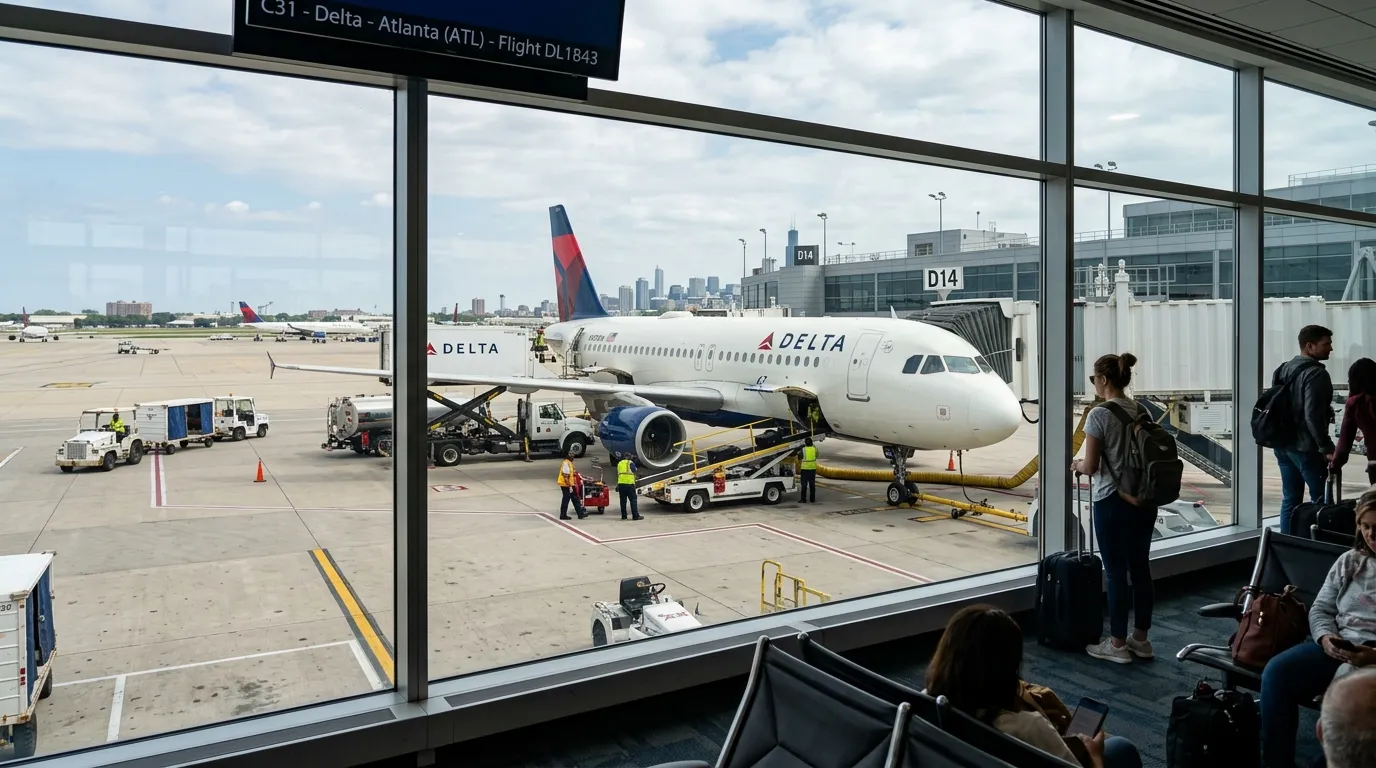
Knowing what is a domestic flight involves understanding how to move through the airport efficiently. Follow these essential steps to streamline your departure.
1. When to Arrive at the Airport
A major aspect of what is a domestic flight is the timeline. Most airlines recommend arriving at the terminal at least two hours before your scheduled departure. This provides a comfortable buffer for traffic, parking, checking bags, and clearing security. During peak holiday seasons or early Monday mornings, arriving even earlier is a smart strategy.
2. Checking In and Dropping Baggage
Before you can experience what is a domestic flight, you must check in. Most carriers allow you to check in online or via their mobile app 24 hours before your departure time. If you only have a carry-on, you can bypass the main counter and head straight to security. If you are checking luggage, use the self-service kiosks or visit the customer service desk to drop your bags.
3. Getting Through TSA Security
Security is a standard part of what is a domestic flight. Have your boarding pass and ID ready before stepping up to the agent. You will need to remove your shoes, take laptops out of your bag, and ensure all liquids comply with the TSA 3-1-1 liquids rule. If you travel frequently, enrolling in TSA PreCheck or CLEAR can drastically reduce your wait time.
4. Finding Your Gate and Boarding
Once through security, check the digital departure screens to confirm your gate number. Gate changes are common, so stay alert. When deciding what is a domestic flight boarding process like, remember that airlines typically board in numbered groups or zones. Wait for your designated zone to be called before approaching the jet bridge.
Baggage Rules: Carry-On vs. Checked Luggage
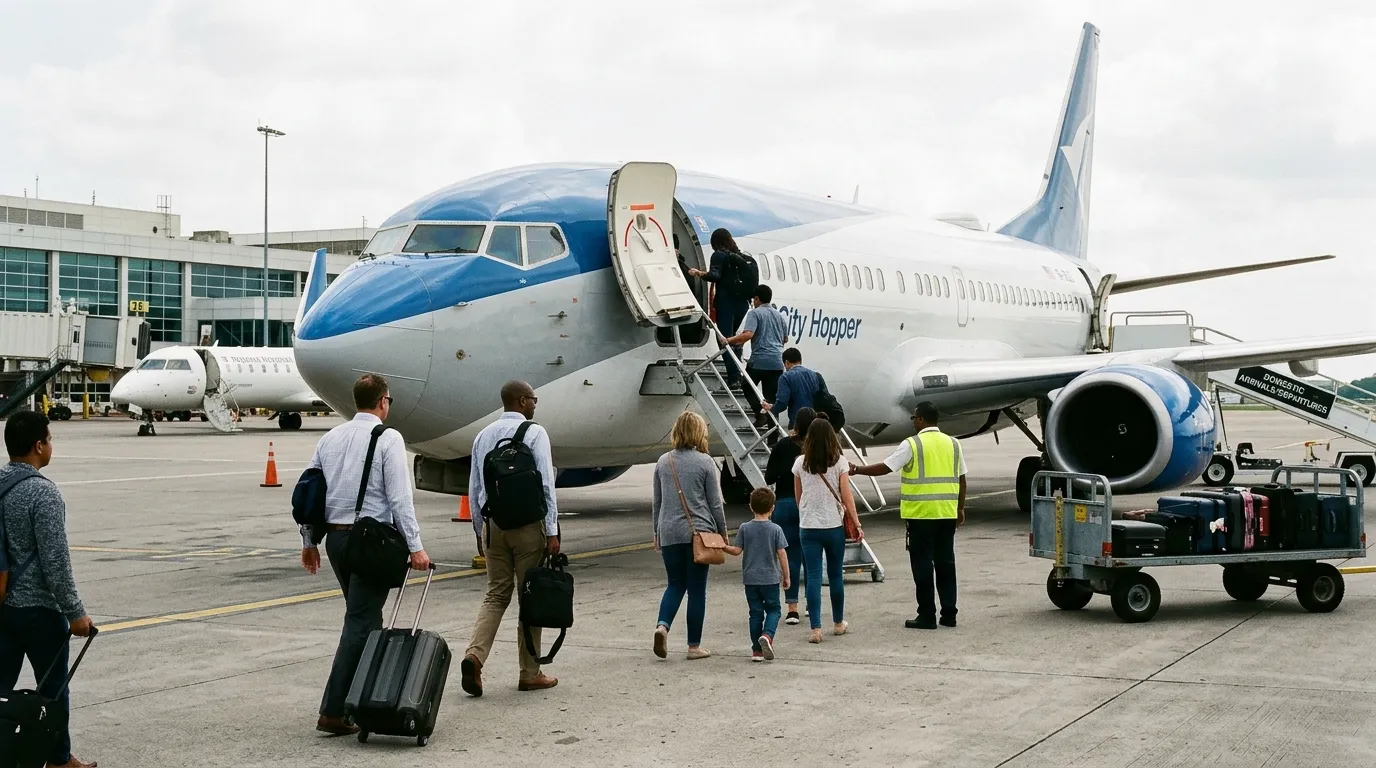
Understanding what is a domestic flight also means understanding airline luggage policies. Most standard economy tickets allow one carry-on bag and one small personal item (like a purse or laptop backpack) that fits under the seat in front of you.
When you are packing a carry-on, maximize your space by rolling your clothes and wearing your bulkiest shoes on the plane. If you need to check a bag, be prepared to pay an additional fee, unless you hold elite status or carry a co-branded airline credit card. Always check your specific carrier’s weight limits, as bags over 50 pounds usually incur hefty overweight fees.
Common Mistakes to Avoid
Even seasoned travelers make errors when booking or navigating what is a domestic flight. Keep these common mistakes in mind:
- Ignoring the Arrival Time: Assuming what is a domestic flight means you can show up 30 minutes before departure will result in a missed plane. Security lines fluctuate wildly.
- Forgetting Liquid Limits: Full-sized shampoos and sunscreens will be confiscated at security. Stick to containers that are 3.4 ounces or smaller.
- Booking Too Late: Fares usually spike within 21 days of departure. Book early to secure the best rates.
- Not Downloading Entertainment: Many narrow-body aircraft used for these routes do not have seatback screens. Download movies and music to your personal device beforehand.
- Overlooking Travel Insurance: Domestic travel can still be disrupted by weather or mechanical issues. Having a solid travel insurance policy protects your investment.
Pro Tips and Expert Insights
To master what is a domestic flight, you need to travel like a professional. Here are actionable tips to elevate your journey:
- Sign Up for Airline Loyalty Programs: Even if you only fly once a year, join the frequent flyer program. Miles accumulate over time and can lead to free upgrades or flights.
- Choose Your Seat Strategically: Aisle seats are great for quick restroom access, while window seats offer better sleeping conditions. Check seat maps during booking.
- Hydrate Before You Fly: Airplane cabins are notoriously dry. Bring an empty reusable water bottle through security and fill it before boarding.
- Track Your Plane: Use the airline’s mobile app or websites like FlightAware to track where your inbound aircraft is coming from. This helps you anticipate delays before the gate agents announce them.
Connecting Flights: What You Need to Know
Sometimes, what is a domestic flight involves a layover. When booking an itinerary with a connection, pay close attention to the minimum connection time. Airports vary in size; navigating through Atlanta or Dallas-Fort Worth takes much longer than walking through a smaller regional hub. A 45-minute layover might be fine in a small airport but disastrous in a massive one.
If your connection involves switching from what is a domestic flight to an international one, you will need extra time to reach the international terminal. Always give yourself at least an hour for domestic layovers to account for minor delays on your first leg.
Making the Most of Your In-Flight Experience
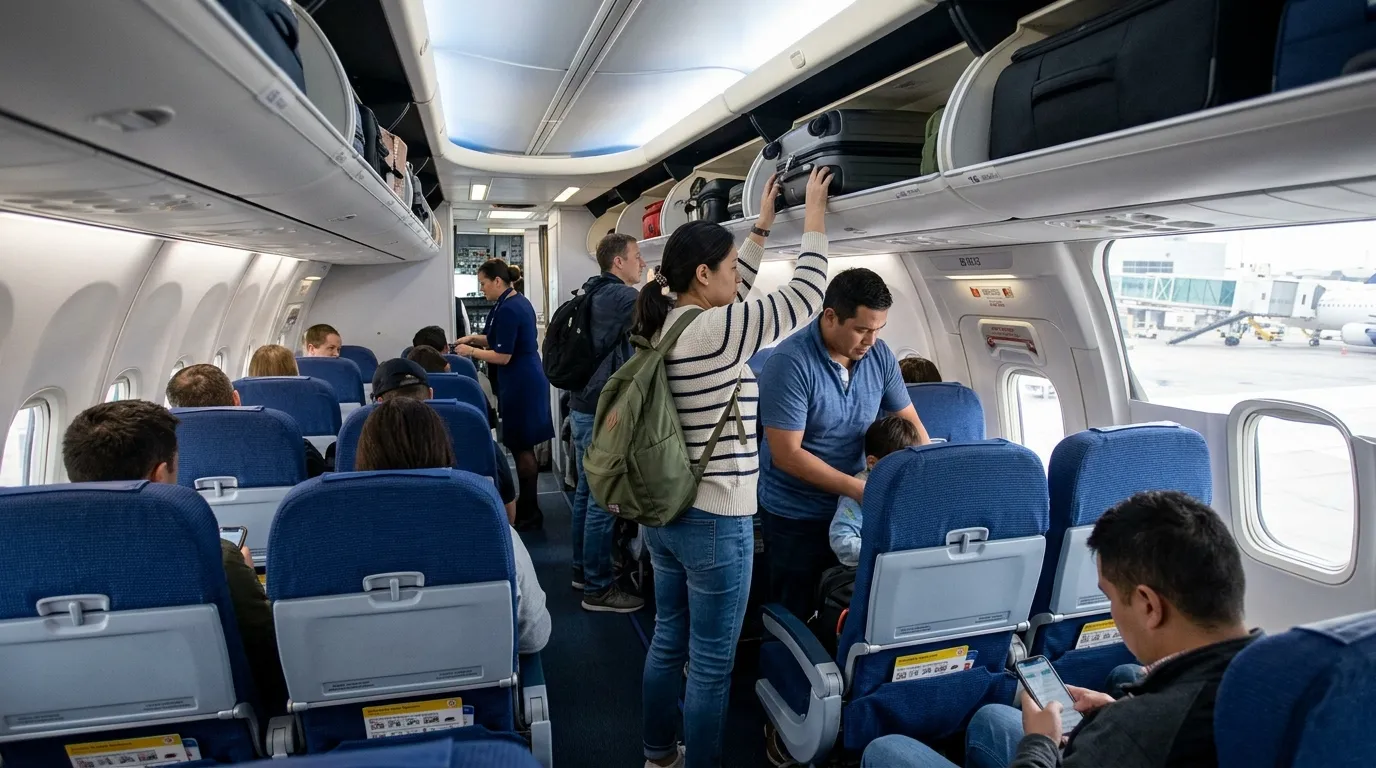
Once you are in the air, what is a domestic flight experience like? Most routes take between one and five hours. Airlines prioritize safety and efficiency. While full meals are rarely served in economy class anymore, flight attendants will typically offer a complimentary beverage and a small snack.
To stay comfortable, wear layers. Cabin temperatures fluctuate constantly. Bring noise-canceling headphones to block out engine noise and chatty neighbors. Finally, remember in-flight etiquette: keep your voice down, do not recline your seat abruptly, and treat the flight crew with respect and patience.
Now that you fully understand what is a domestic flight, you are ready to book your next adventure. Always double-check your ID requirements and pack smart. Start planning your getaway today, and subscribe to our newsletter for more expert travel tips, destination guides, and exclusive flight deals.
FAQs
1. What is a domestic flight defined as?
What is a domestic flight is defined as a commercial air travel route where both the departure and arrival airports are located entirely within the borders of a single country, requiring no border crossings.
2. Do I need a passport for what is a domestic flight route?
No, you do not need a passport for what is a domestic flight. However, you do need a government-issued photo ID, such as a state driver’s license or a REAL ID, to pass through airport security checkpoints.
3. How early should I arrive for a domestic flight?
When determining what is a domestic flight arrival timeline, airlines strongly recommend arriving at the airport terminal at least two hours before your scheduled departure to allow time for checking bags and clearing security.
4. Can I bring liquids on a domestic flight?
Yes, but what is a domestic flight liquid rule follows TSA guidelines. Liquids, gels, and aerosols in your carry-on must be stored in containers of 3.4 ounces or less and fit into a single quart-sized plastic bag.
5. Are meals served on domestic flights?
Generally, what is a domestic flight food service consists of complimentary non-alcoholic beverages and small snacks. Full meals are typically only served in first class or on premium transcontinental routes.
6. What ID is required for a domestic flight?
For what is a domestic flight, adult passengers must show valid identification at the security checkpoint. This includes driver’s licenses, permanent resident cards, or passports. REAL ID requirements will soon be mandatory.
7. How does a domestic flight connection work?
If what is a domestic flight itinerary includes a layover, your checked bags usually transfer automatically. You simply exit your first plane and walk directly to the gate for your second plane without clearing security again.
8. What is the difference between direct and nonstop domestic flights?
When learning what is a domestic flight terminology, a nonstop flight goes from point A to point B without stopping. A direct flight makes a stop along the way, but you do not have to change airplanes.
9. Can a domestic flight cross state lines?
Yes, absolutely. What is a domestic flight simply refers to staying within the country. Flying from California to New York crosses many state lines but remains a domestic route because it stays within the USA.
10. Do domestic flights go through customs?
No. A defining feature of what is a domestic flight is that passengers do not have to clear customs or immigration, as they have not left the country’s jurisdiction.