

Planning a vacation requires understanding basic airline terminology. If you constantly find yourself asking what is a round trip flight, you are in the right place to learn.
This guide explains airline itineraries, comparing return journeys with one-way and multi-city options. We explore cost-saving strategies, essential booking tips, and frequent traveler mistakes. By the end of this article, you will confidently navigate booking portals and secure the best possible travel deals.
Understanding the Basics: What Is a Round Trip Flight?
To navigate the travel industry effectively, you must understand standard ticketing terms. When you ask what is a round trip flight, the answer is quite simple. It refers to a single travel itinerary that starts at your origin city, takes you to a destination, and brings you back to the exact same origin point.
Airlines package the outbound and return journeys into one single reservation. You receive one booking confirmation code for both directions of travel. This ticketing method offers convenience and structure for vacationers and business professionals alike. You pay one price, deal with one airline policy, and manage a unified itinerary.
Historically, airlines incentivized this behavior by offering steep discounts to passengers who committed to returning with them. While pricing structures have evolved, this booking method remains the most popular way to secure air travel globally. You lock in your departure and return dates simultaneously, removing the stress of finding a ride home later.
How the Journey Actually Works
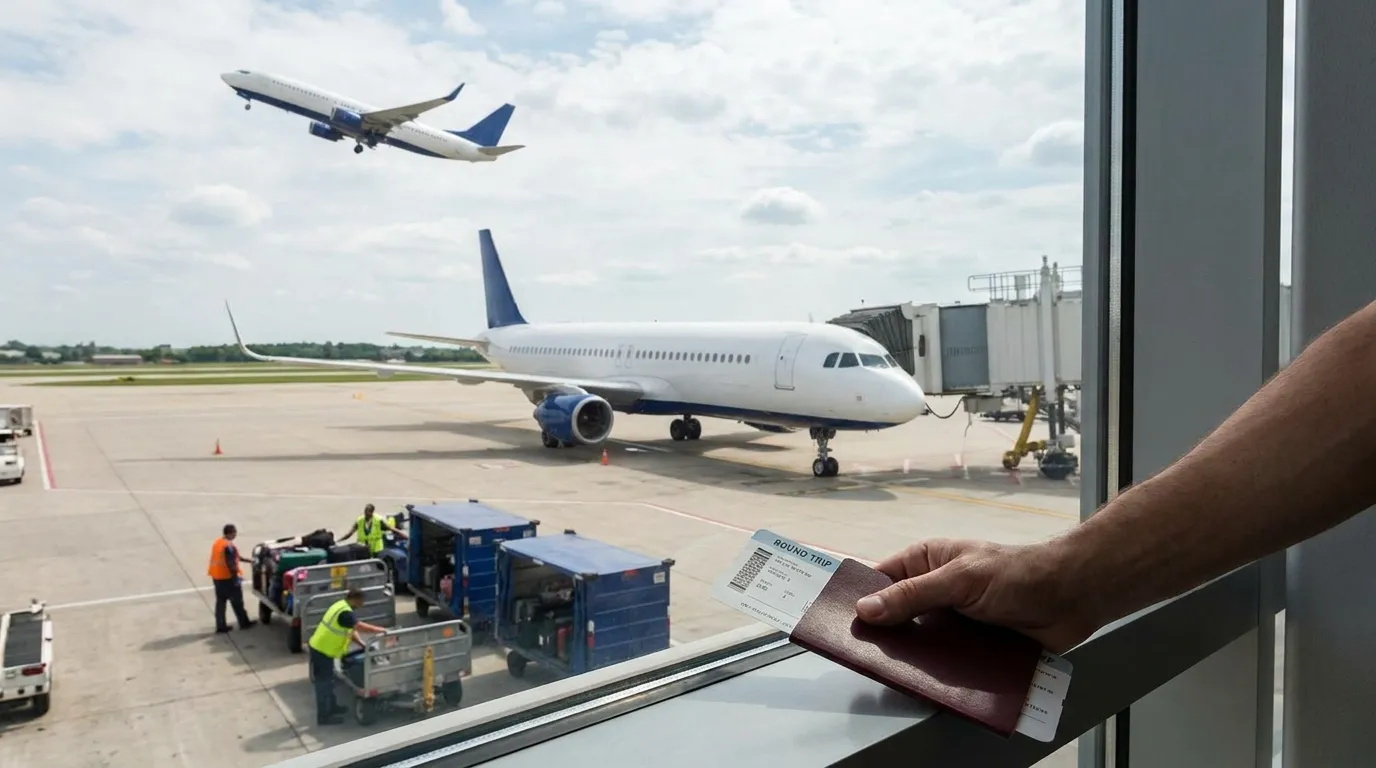
When you purchase this type of ticket, you engage in a binding contract with the airline for two distinct legs of travel. The first leg, known as the outbound flight, carries you from your home airport to your vacation spot. The second leg, known as the inbound or return flight, brings you back.
The Outbound Leg
Your journey begins with the outbound leg. You check in at your home airport, check your bags, and board the aircraft. This segment operates exactly like a standard one-way ticket. You must complete this leg for the rest of your itinerary to remain valid. If you miss this initial departure, airlines automatically cancel the remainder of your reservation.
The Inbound Leg
After enjoying your time away, you head back to the airport for the inbound leg. You check in again, drop off your luggage, and fly back to your starting point. You must fly back on the specific date and time selected during your initial purchase. Changing this date usually incurs a modification fee or fare difference, depending on the airline’s specific policies.
Round Trip vs. One-Way vs. Multi-City Options
Understanding your options helps you make the best financial decisions for your upcoming vacation. Let us compare the three primary ticketing choices available to consumers.
|
Feature |
Round Trip |
One-Way |
Multi-City |
|---|---|---|---|
|
Definition |
Origin to destination and back to origin |
Origin to destination only |
Origin to destination A, destination B to origin |
|
Booking Convenience |
High (One transaction) |
Medium (Two transactions needed for return) |
Low (Requires complex planning) |
|
Cost Efficiency (International) |
Very High |
Low |
Medium |
|
Cost Efficiency (Domestic) |
Medium |
High |
Medium |
|
Flexibility |
Low |
Very High |
Medium |
The One-Way Alternative
A one-way ticket gets you from point A to point B without a scheduled return. This works perfectly for individuals relocating to a new city or backpackers with open-ended itineraries. If you want absolute flexibility, booking two separate one-way tickets allows you to mix and match airlines easily. You might find it helpful to read our guide to booking cheap flights for more creative routing strategies.
The Multi-City Approach
Multi-city tickets allow you to fly into one airport and out of another. For example, you might fly from New York to London, take a train to Paris, and then fly from Paris back to New York. This prevents you from backtracking to your original arrival city, saving you precious vacation time and ground transportation costs.
The Financial Side of Booking Your Travel
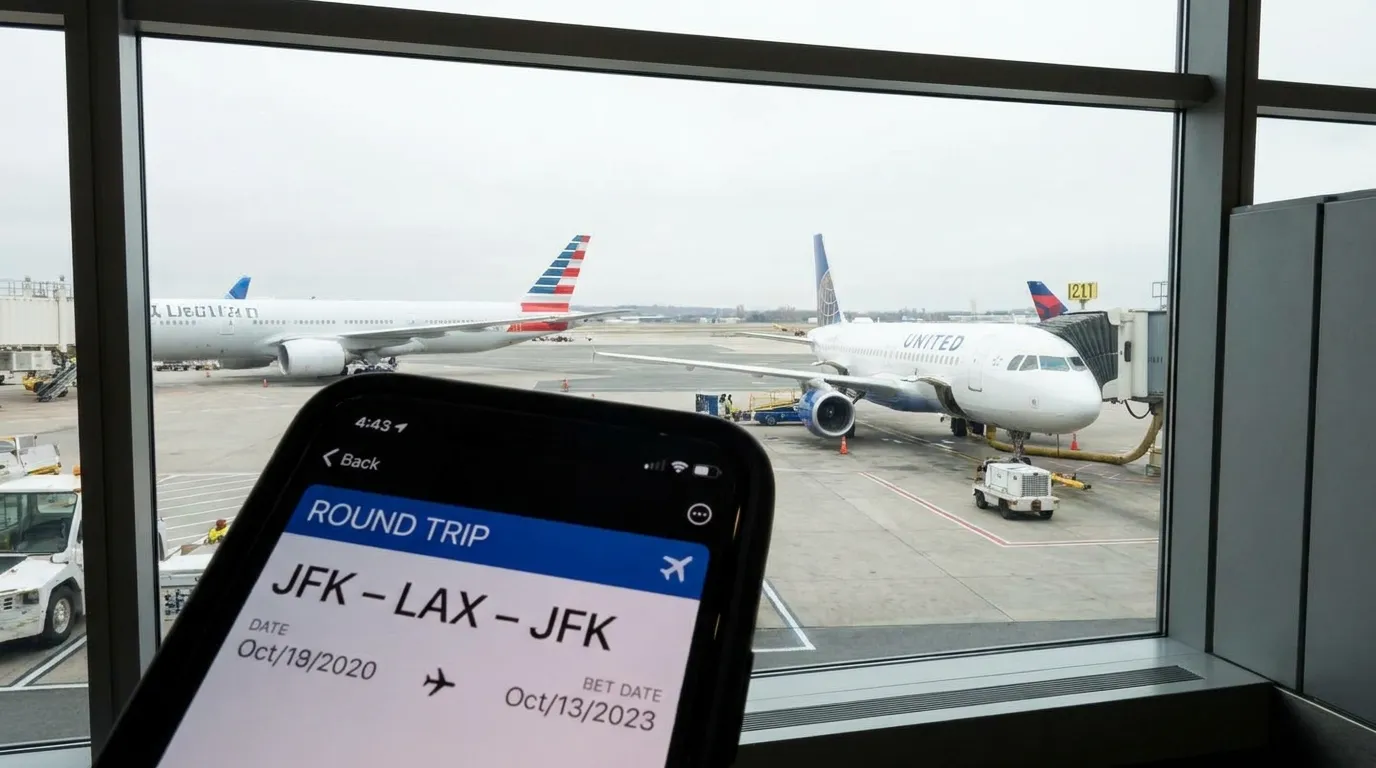
Many travelers assume that booking both legs together automatically saves them money. The reality is much more nuanced and depends heavily on your specific destination.
International Travel Pricing
For international travel, booking both directions together almost always provides massive savings. Legacy carriers heavily penalize passengers buying one-way international fares. If you price out a single journey to Europe from the United States, it often costs as much as or more than the complete return journey. Always secure both legs simultaneously when crossing oceans.
Domestic Travel Pricing
Domestic travel pricing follows different rules. In the United States, major airlines generally price domestic journeys as the sum of two one-way fares. This means you rarely save money by bundling them together. In fact, booking two separate tickets on different airlines might yield a cheaper overall trip. You must compare prices carefully before submitting your payment.
Expert Insights and Pro Tips for Better Booking
Securing the best possible deal requires strategy and timing. Follow these expert insights to maximize your travel budget.
- Check alternate airports: Always search for flights out of nearby regional airports. Sometimes driving an extra hour saves hundreds of dollars on the final ticket price.
- Leverage the 24-hour rule: The US Department of Transportation mandates that airlines offer free cancellation within 24 hours of booking, provided you book at least seven days before departure. Use this window to lock in a great price while finalizing your plans.
- Clear your browser cookies: Airlines sometimes track your search history and raise prices on routes you view repeatedly. Search in an incognito window to ensure you see the lowest available baseline fare.
- Mix and match alliances: If you book separate tickets, you can fly out on a SkyTeam carrier and return on a Oneworld carrier. This allows you to pick the best departure times for your specific schedule.
- Protect your investment: Always secure coverage for non-refundable expenses. Read our comprehensive travel insurance guide to understand how to protect your vacation from unexpected cancellations.
Common Mistakes to Avoid
Even experienced travelers make errors during the booking process. Avoid these common pitfalls to ensure a smooth journey.
Missing the Outbound Flight
Airlines enforce strict sequential use rules for their tickets. If you miss your outbound departure, the airline automatically cancels your return journey. You cannot drive to your destination and expect to use the return portion of your ticket to fly home. If you must miss the first leg, you must contact the airline immediately to restructure the reservation.
Booking Basic Economy Blindly
Basic economy fares look incredibly attractive during the search process. However, these restricted tickets strip away standard privileges like advanced seat selection and carry-on bags. Furthermore, you cannot modify basic economy itineraries. If your plans change, you lose the entire value of the ticket. Always calculate the true cost of basic economy before clicking purchase.
Ignoring Connection Times
When booking a unified itinerary, the airline guarantees your connections. If your first flight runs late, they will rebook you on the next available plane. If you book separate tickets to build your own itinerary, you assume all the risk. If a delay causes you to miss an unprotected connection, you must buy a brand new ticket at walk-up prices.
Navigating Airline Changes and Cancellations
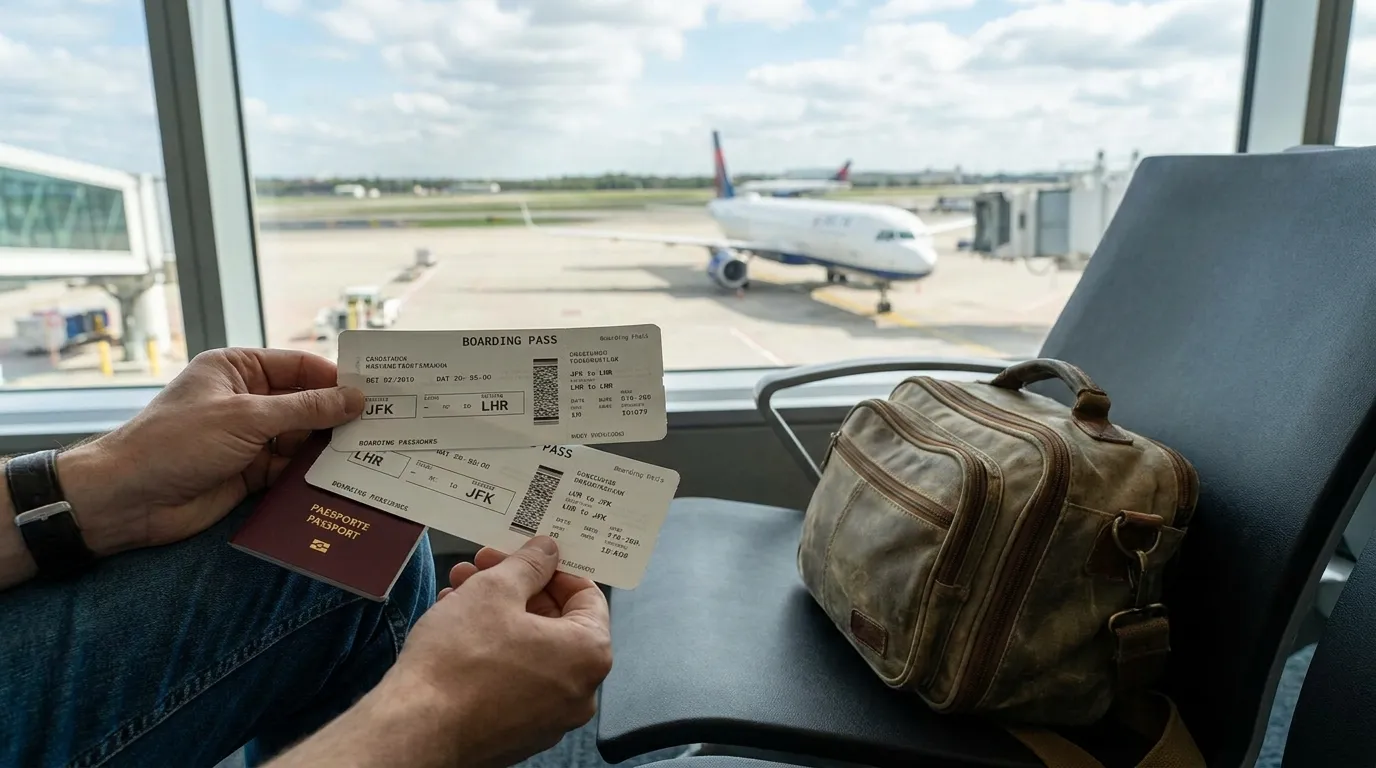
The modern travel landscape requires maximum flexibility. Understanding how modifications work helps you navigate unexpected disruptions.
Voluntary Changes
If you decide to alter your travel dates, you must pay the fare difference between your original ticket and the new flight. While many airlines eliminated standard change fees during the pandemic, you still bear the cost of price fluctuations. If the new flight costs less, the airline typically issues a digital travel credit for the difference.
Involuntary Disruptions
Airlines occasionally alter their schedules, leading to delayed or canceled flights. When the airline initiates the disruption, they owe you a solution. They must rebook you on an alternative flight or provide a full refund to your original payment method. The Federal Aviation Administration provides strict guidelines regarding passenger rights during major operational meltdowns.
Earning and Redeeming Frequent Flyer Miles
Loyalty programs reward passengers for consistent travel. Booking cohesive itineraries impacts how you earn and spend these valuable miles.
Earning Miles on Cash Tickets
When you purchase a standard fare, you earn frequent flyer miles based on the ticket price and your elite status tier. The airline credits these miles to your account after you complete each individual leg of the journey. If you upgrade your seat or purchase extra legroom, you often earn bonus miles on those ancillary purchases.
Redeeming Miles for Travel
Airlines previously forced members to book round trips when redeeming miles. Today, most loyalty programs price award tickets as one-way segments. This gives you incredible flexibility to use miles for the outbound flight and cash for the return, or vice versa. Always check both cash and mileage prices to ensure you extract maximum value from your loyalty currency.
Preparing for Your Journey at the Airport
Understanding the physical process of flying helps alleviate pre-trip anxiety. Proper preparation ensures you breeze through the terminal.
The Check-In Process
You can check in online exactly 24 hours before your outbound departure. You must repeat this exact same process 24 hours before your return departure. The airline will not issue your return boarding pass during your initial outbound check-in. Download the airline’s mobile application to keep your digital boarding passes organized and accessible.
Security and Identification
You must present valid identification to airport security personnel before every flight. The Transportation Security Administration enforces strict rules regarding acceptable documents and prohibited items. Review these guidelines a few days before your departure to avoid delays at the security checkpoint. Pack your carry-on strategically to facilitate a smooth screening process.
Conclusion
Learning exactly what is a round trip flight empowers you to make smarter travel decisions. By understanding the pricing mechanics, comparing alternative routing options, and avoiding common pitfalls, you can navigate the booking process like a seasoned expert. Start researching your next destination, apply these actionable strategies, and confidently book your upcoming vacation today.
FAQs
1. Can I use only the return portion of my ticket?
No. Airlines strictly enforce sequential ticket use. If you miss or skip your outbound flight, the airline will automatically cancel the return portion of your reservation without offering a refund.
2. Is it always cheaper to book flights together?
Not always. While international flights are almost always cheaper when booked together, domestic flights in the US are typically priced as two separate one-way fares.
3. Do I check in for both flights at the same time?
No. You must check in separately for each individual flight. Check-in opens 24 hours before your outbound departure, and again 24 hours before your return departure.
4. What happens if the airline cancels my return flight?
If the airline cancels your flight, they must rebook you on the next available option at no additional cost. Alternatively, you can request a full cash refund for the unused portion of your ticket.
5. Can I change the date of my return flight after I reach my destination?
Yes, provided you did not purchase a restrictive basic economy fare. You will need to pay any applicable fare difference between your original ticket and the new flight.
6. Do I get two different confirmation numbers?
No. When you book the journey together, the airline issues a single alphanumeric confirmation code (PNR) that houses both the outbound and inbound flight details.
7. Can I fly out of one airport and return to another?
If you return to a different airport, you are booking an “open-jaw” or multi-city ticket, not a standard return ticket. This usually requires using the multi-city search function on the booking portal.
8. Are taxes included in the displayed price?
Yes. In the United States, Department of Transportation regulations require airlines to display the full, final price of the ticket, including all mandatory taxes and government fees.
9. Can I book different cabin classes for each leg?
Yes. Many airlines allow you to mix and match cabins. You can fly economy on the way to your destination and treat yourself to first class for the journey home.
10. Do I earn frequent flyer miles for both directions?
Yes. You earn miles for both segments, but the miles usually post to your loyalty account separately after you physically complete each individual flight.