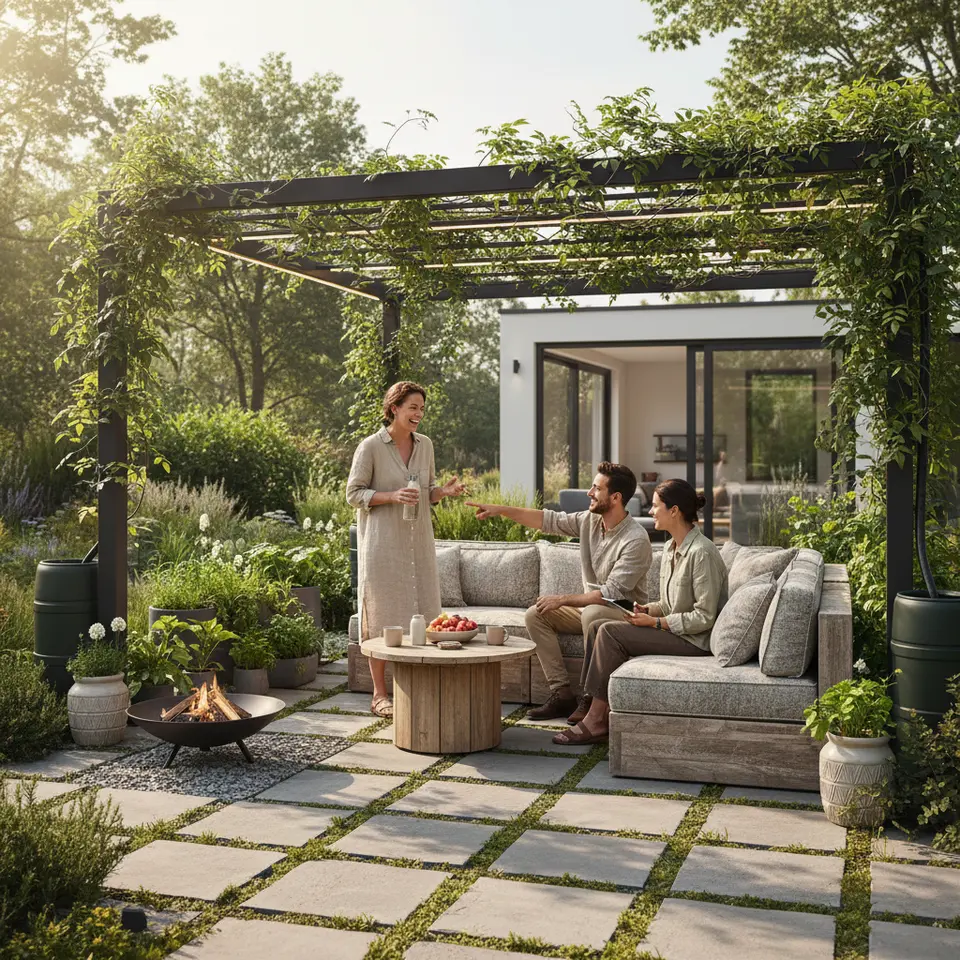
In today’s fast-moving society, the lines between indoor and outdoor environments are increasingly blurred as homeowners pursue smart sustainable outdoor living solutions that merge comfort, style, and environmental responsibility. This year (2026), there is a heightened focus on creating backyard retreats that extend living rooms into the fresh air without compromising on modern conveniences. By thoughtfully combining eco-friendly materials, integrated technology, and purposeful layouts, these outdoor areas become versatile spaces for relaxation, entertainment, and productive work. In today’s digital landscape, the demand for multifunctional patios is driven by hybrid lifestyles and a growing awareness of our carbon footprint. As more people spend time at home, investing in a sustainable patio can yield long-term benefits for wellbeing, energy savings, and property value. This guide explores key principles and practical strategies for achieving a cohesive balance—ensuring your outdoor haven reflects both contemporary taste and ecological mindfulness.
The Evolution of Outdoor Living Spaces
Over the past decade, outdoor spaces have advanced well beyond simple lawns or brick patios. Today, the concept of smart sustainable outdoor living has elevated exterior areas into dynamic extensions of the home, offering features once reserved for interior design. Factors such as remote work trends and heightened environmental awareness have shaped a new standard: patios that marry functionality with eco-conscious elements.
At the heart of this movement is the desire for year-round usability. Retractable pergolas equipped with adjustable louvers enable sunlight control and shelter from rain, while durable fabrics and smart climate systems maintain comfort in all seasons. Motion-activated solar lighting and automated misting fans are no longer novelties but expected upgrades that enhance livability. In fact, research from the U.S. Department of Energy (energy.gov) highlights how solar technologies can reduce household energy consumption by up to 30% when applied to exterior fixtures and controls.
Beyond technology, the aesthetic evolution is evident in the seamless way that modern patios incorporate architectural elements. Large folding glass doors and contiguous flooring materials—such as porcelain tiles that match indoor finishes—create a continuous flow. Outdoor kitchens with stone countertops and built-in grills now serve as focal points for gatherings, further blurring indoor-outdoor boundaries. As lifestyles continue to adapt, smart sustainable outdoor living remains at the forefront of contemporary design trends, offering flexible environments for wellness, work, and social connection.
Sustainable Materials and Eco-Friendly Practices
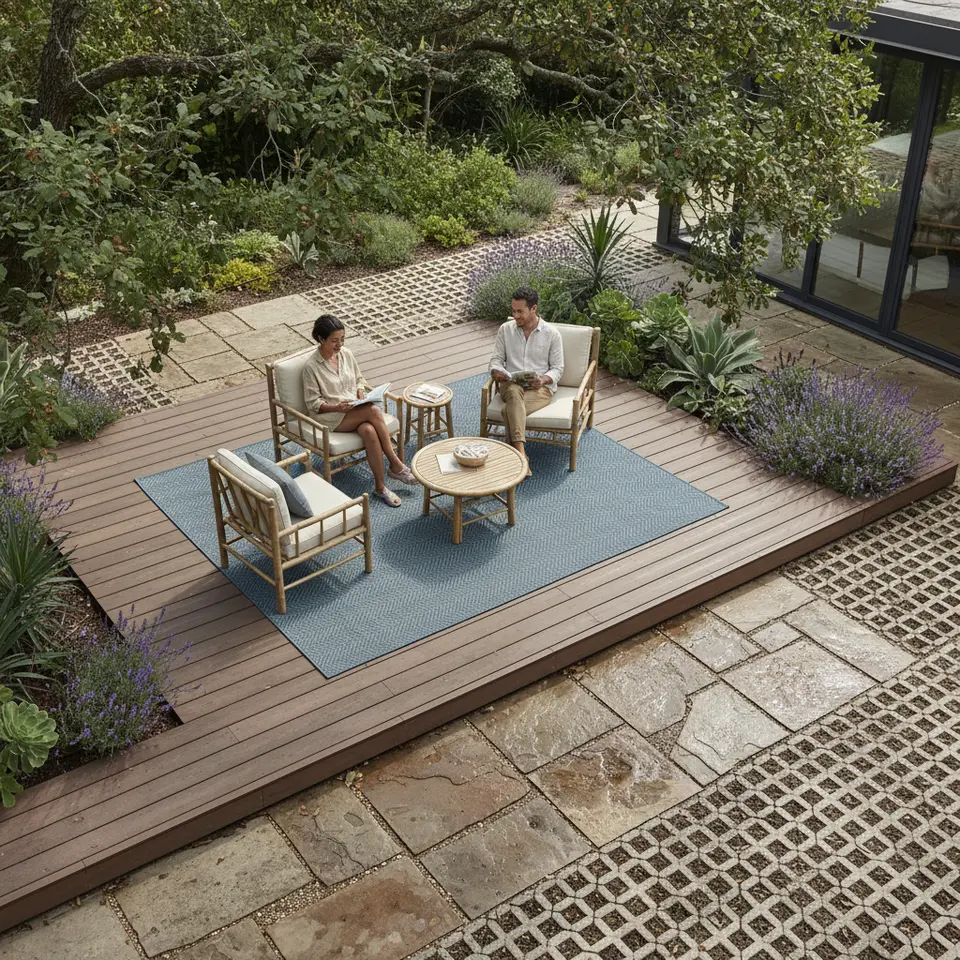
Central to smart sustainable outdoor living is the selection of materials that minimize environmental impact without sacrificing durability or style. Homeowners today are gravitating toward resources that are renewable, recycled, or locally sourced. Composite decking made from reclaimed polymers, for instance, resists rot and insects while diverting waste from landfills. Similarly, bamboo furnishings offer a renewable seating option with a natural aesthetic.
Natural stone pavers, when quarried responsibly, bring longevity and a low-maintenance finish that withstands weather extremes. Look for stones certified under sustainable mining programs or sourced within a close radius to reduce transportation emissions. Outdoor rugs crafted from recycled PET fibers not only add warmth but also prevent microplastic shedding in storms. To enhance longevity, opt for weather-resistant textiles treated with non-toxic, UV-stable finishes; these hold up to sun exposure and rain without leaching harmful chemicals into surrounding soil.
Water conservation is another pillar of eco-friendly patio design. Installing drip irrigation or smart moisture sensors can reduce water usage by up to 50%, according to guidelines from the U.S. Environmental Protection Agency (epa.gov). Native and drought-tolerant plants—such as lavender, ornamental grasses, and succulents—thrive with minimal supplemental watering and support local pollinators. By combining these planting strategies with permeable pavers, excess rainwater is allowed to recharge groundwater instead of overloading storm drains.
Lastly, waste reduction during construction and installation enhances sustainability. Salvaging old timber for planter boxes, donating leftover bricks to community projects, or repurposing glass bottles for decorative accent walls exemplify circular design practices. These efforts not only reduce landfill contributions but also add unique, personalized character to exterior living areas.
Smart Technology Integration for Patios
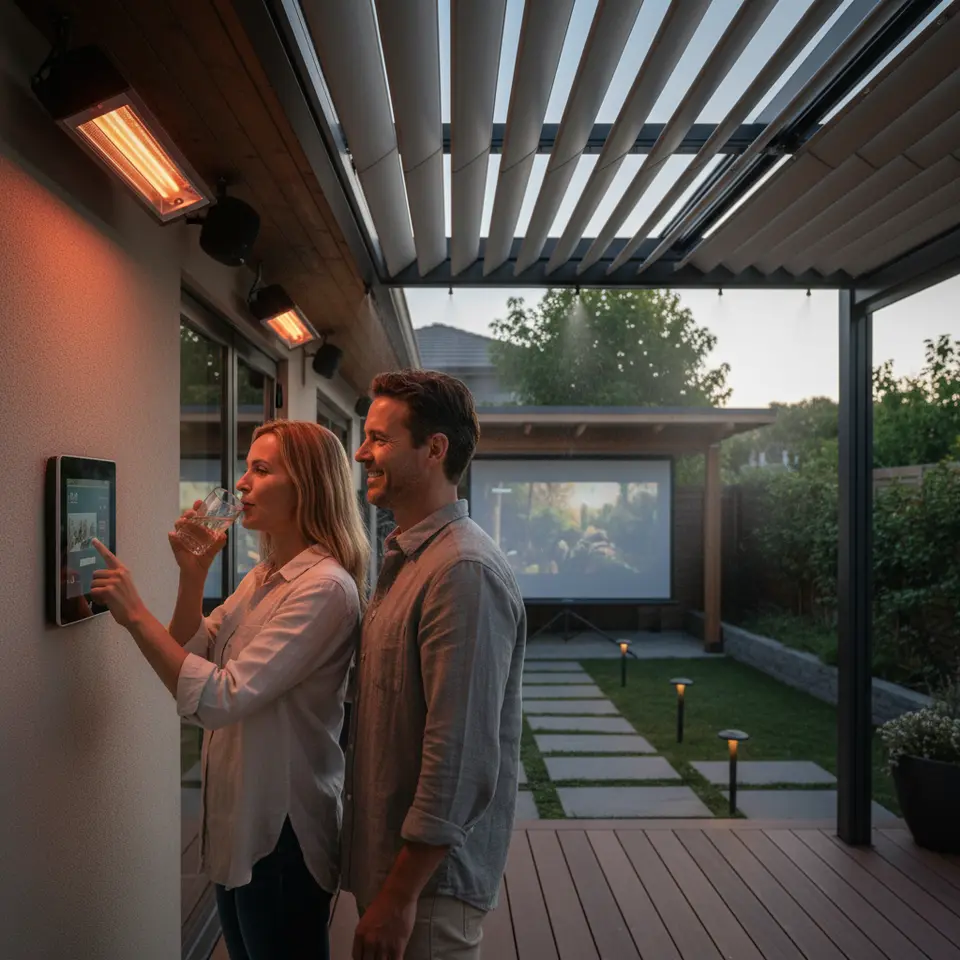
In today’s connected era, smart sustainable outdoor living hinges on the seamless integration of technology that improves comfort, safety, and convenience. Homeowners are increasingly equipping patios with intelligent lighting, automated climate control, and networked entertainment systems tailored for exterior use.
Smart LED fixtures—programmable via smartphone or voice assistant—allow for custom color palettes and timing schedules. Sensors detect motion at dusk, activating path lights to enhance safety and deter intruders. Solar-powered options eliminate the need for extensive wiring and draw power from free, renewable sunlight. For instance, integrated solar panels can feed low-voltage circuits dedicated to patio lighting, reducing reliance on grid electricity.
Climate control systems, such as infrared heaters and misting fans, respond to real-time temperature and humidity data. Devices equipped with weather sensors adjust output automatically, ensuring consistent comfort during evening gatherings or midday relaxation. By automating these systems, smart sustainable outdoor living areas extend usability well into cooler months or peak summer heat.
Entertainment is another domain where technology transforms the outdoor experience. Weatherproof speakers discreetly embedded in planters or mounted under overhangs deliver high-fidelity audio without compromising aesthetics. Outdoor-rated projectors and retractable screens convert patios into open-air theaters, while Wi-Fi extenders optimize network coverage beyond the interior. Centralized control panels or mobile apps can unify all these elements—lighting scenes, music playlists, and climate settings—into memorable, one-touch experiences that align with modern lifestyle needs.
Creating Seamless Indoor-Outdoor Transitions
A crucial aspect of smart sustainable outdoor living is crafting a harmonious link between interior and exterior spaces. Today, architects and designers champion continuity through aligned materials, cohesive color schemes, and unobstructed sightlines.
Extending flooring materials across tiles or concrete slabs ensures that when glass doors are opened, the visual flow remains intact. Polished concrete inside and out, for example, presents a unified aesthetic while offering a durable, low-maintenance surface. Alternatively, porcelain tiles that mimic wood grain can bridge living rooms and patios with water-resistant performance.
Strategic use of transparency—large sliding or bi-fold doors—invites natural light deep into the home and frames outdoor views when closed. These glazing systems often incorporate thermally broken aluminum frames to minimize heat transfer, contributing to overall energy efficiency. By choosing finishes—such as matte black hardware or brushed stainless steel—that echo indoor fixtures, the design language remains consistent.
Outdoor furnishings should complement interior pieces in scale and style. Modular sofas with weatherproof upholstery can mirror indoor sectionals, while decorative cushions in accent hues tie into living room palettes. Rugs, planters, and sculpture art positioned near thresholds can define transitional zones without erecting barriers. The result is a fluid continuum where indoor comforts and outdoor freedoms coexist, supporting smart sustainable outdoor living in every season.
Landscaping, Lighting, and Maintenance Tips
Incorporating biophilic design principles enhances smart sustainable outdoor living by fostering a connection with nature. Vertical gardens or living walls introduce greenery without compromising footprint, while potted trees and sculptural shrubs frame seating areas for privacy and shade. Mixing plant heights—from low-growing groundcovers to tall climbers—creates depth and visual interest.
Layered lighting strategies serve both functional and aesthetic roles. Task lighting, such as LED strips under counter overhangs, illuminates outdoor kitchens and bars. Accent lights highlight specimen plants or architectural features, while ambient sources—lanterns, string lights, or solar-powered floor fixtures—generate soft illumination for evening gatherings. Smart lighting controls enable customized scenes, from lively dinner parties to serene reading settings.
Maintenance is key to preserving the longevity of your sustainable patio. Composite and reclaimed materials require minimal upkeep but benefit from periodic cleaning to remove debris. Natural stone should be sealed every few years to resist staining and freeze-thaw damage. Washable cushion covers make seasonal refresh simple, and establishing a routine for checking irrigation systems and trimming plants keeps the space inviting year-round.
Finally, consider long-term adaptability. Choose modular furniture and planters that can be reconfigured as needs evolve. Renewable energy sources—like photovoltaic modules powering smart devices—can be expanded or upgraded over time. By designing with both present and future requirements in mind, homeowners ensure that their commitment to smart sustainable outdoor living endures as lifestyle trends continue to shift.
Frequently Asked Questions
What are the benefits of using composite decking and reclaimed materials?
Composite decking made from reclaimed polymers offers durability, resistance to rot and insects, and diverts waste from landfills. Similarly, responsibly sourced natural stone and bamboo furnishings reduce environmental impact while delivering long-lasting performance.
How does smart technology improve patio comfort and efficiency?
Intelligent lighting, automated climate control (like infrared heaters and misting fans), and solar-powered fixtures enhance safety, comfort, and energy savings. Centralized controls or smartphone apps let you create customized scenes for any occasion.
Which practices help conserve water in outdoor living areas?
Installing drip irrigation, smart moisture sensors, and choosing native or drought-tolerant plants can cut water usage by up to 50%. Permeable pavers also allow rainwater to recharge groundwater instead of overwhelming storm drains.
Conclusion
Embracing smart sustainable outdoor living means creating an exterior sanctuary that unites form and function while honoring environmental values. In today’s digital landscape, innovative materials, integrated technology, and cohesive design strategies empower homeowners to enjoy adaptable, year-round outdoor retreats. By selecting eco-friendly resources, employing intelligent controls, and crafting seamless indoor-outdoor transitions, a modern patio becomes more than just a backyard feature—it transforms into a meaningful extension of home life. Prioritizing sustainability and thoughtful planning not only enhances daily comfort but also contributes to energy savings and reduced ecological impact. Whether hosting social gatherings, enjoying quiet moments with family, or working amidst nature, a well-executed smart sustainable patio will elevate your living experience this year (2026) and beyond.