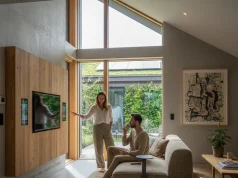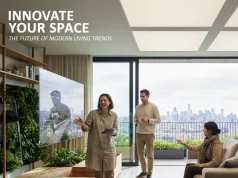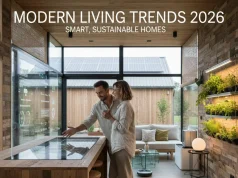
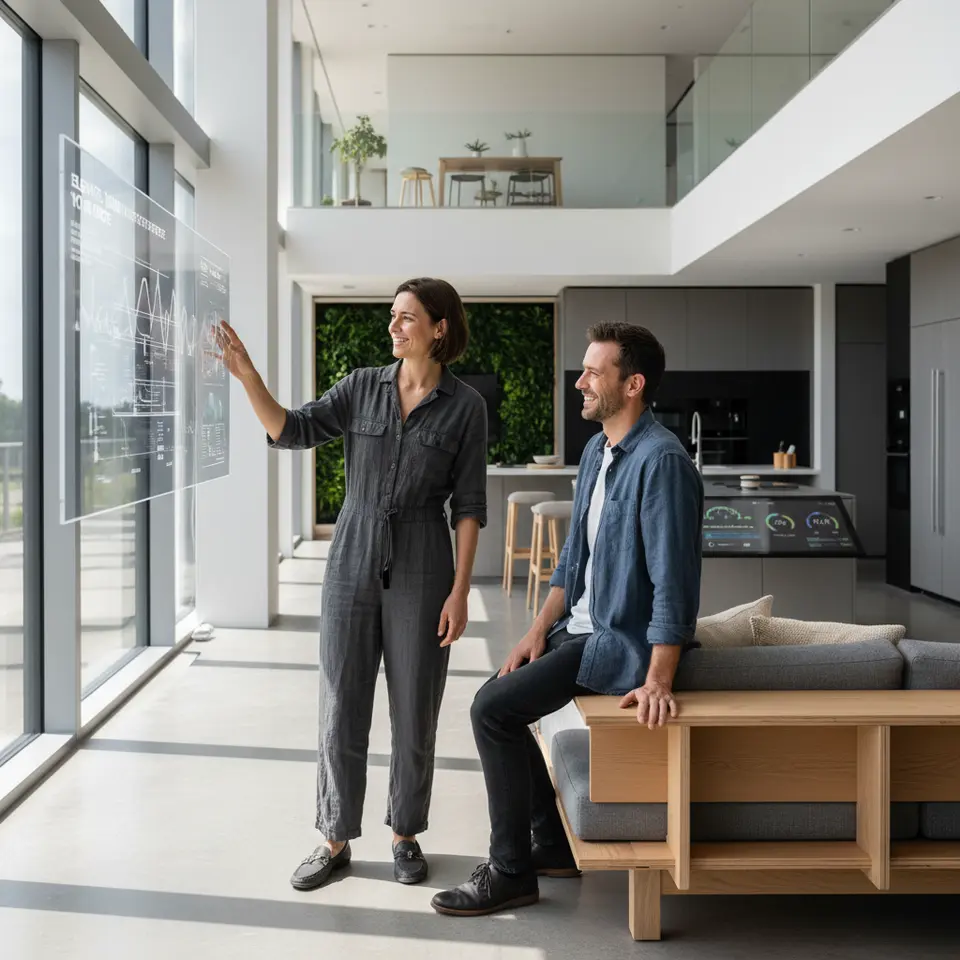
In today’s digital landscape, the way we design and inhabit our homes has transformed dramatically, giving rise to innovative modern living designs that prioritize comfort, sustainability, and connectivity. No longer confined to mere shelter, contemporary residences now function as personalized sanctuaries where technology and nature coexist harmoniously. This year (2026), homeowners are placing a premium on spaces that not only reflect individual values but also anticipate daily needs, moving beyond static interiors toward dynamic environments that adapt in real time.
From voice-activated systems that illuminate corridors at dawn to eco-conscious materials that reduce environmental impact, modern living designs are redefining what it means to feel at home. Alongside sleek lines and minimalist aesthetics, the integration of smart home devices, biophilic elements, and modular furnishings brings a fresh level of versatility. Whether you’re embarking on a complete overhaul or seeking subtle upgrades, our guide covers five essential pillars for creating a forward-thinking residence.
By weaving together smart technologies, sustainable practices, and thoughtful design strategies, you can craft an atmosphere that nurtures well-being, supports productivity, and minimizes ecological footprints. Throughout this article, you’ll find practical tips, expert insights, and authoritative resources—such as the U.S. Environmental Protection Agency (https://www.epa.gov) and the Forest Stewardship Council (https://www.forestcertification.org)—to help you implement each concept seamlessly. Embrace these principles today and elevate your space with modern living designs that stand the test of time.
Smart Home Integration: Streamlining Your Daily Life
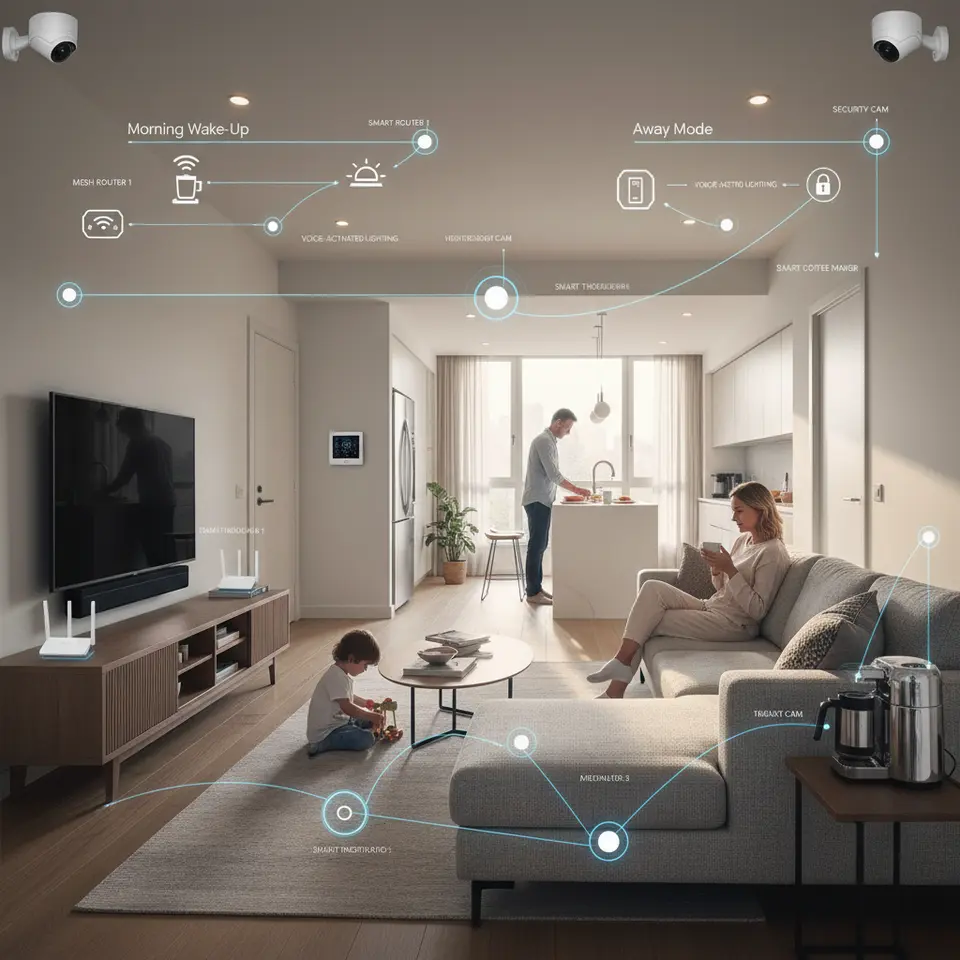
Smart home integration is the cornerstone of modern living designs, offering unparalleled convenience, security, and energy savings. At its core, a smart ecosystem connects devices—from thermostats and lighting to security cameras and appliances—into a unified network that responds intuitively to your routines. Begin by mapping out essential functions: climate control to maintain optimal comfort, surveillance systems for peace of mind, and lighting schemes that adapt to different activities throughout the day.
Building a reliable foundation starts with a resilient wireless network. Mesh Wi-Fi routers extend coverage across sprawling layouts, ensuring every smart speaker, sensor, and locked door remains responsive. Opt for devices supporting open protocols like Z-Wave, Zigbee, or the emerging Matter standard. These universal languages enable interoperability, so you’re not locked into a single vendor’s ecosystem. For those seeking advanced customization, open-source platforms such as Home Assistant empower you to author personalized automations, while cloud-based setups cater to beginners desiring simplicity.
Consider crafting intuitive scenes that bundle multiple actions into a single command. A “Morning Wake-Up” routine might gradually increase light intensity, adjust the thermostat, start the coffee maker, and broadcast the day’s weather over your smart speaker. Conversely, an “Away Mode” can lock doors, activate motion sensors, and lower blinds with a single tap. Document each device in an organized layout—label hardware in the companion app, sketch network diagrams, and back up automation scripts to safeguard your configuration.
Privacy and future-proofing are vital. Regularly update firmware to patch vulnerabilities and unlock new features. Choose hubs that support firmware rollbacks in case updates introduce issues. For sensitive tools—like door locks or security cameras—consider solutions offering local control to limit cloud dependencies. By thoughtfully designing your smart home infrastructure, you’ll achieve a living environment that anticipates your needs, conserves resources, and adapts as technology evolves.
Sustainable Materials and Eco-Friendly Practices
Incorporating sustainable elements into modern living designs underscores your commitment to environmental stewardship without sacrificing style. Start with reclaimed or responsibly sourced wood for flooring and furnishings—look for Forest Stewardship Council (FSC) certification to ensure ethical forestry practices. Bamboo, a rapidly renewable resource, offers a durable alternative to traditional hardwoods, while recycled metals like aluminum and steel serve as striking accents in hardware and fixtures.
When selecting paints, stains, and adhesives, prioritize low-VOC (volatile organic compound) options to maintain healthy air quality indoors. Natural fabrics such as organic cotton, linen, wool, and hemp deliver both tactile luxury and biodegradability at end of life. For bathroom and kitchen surfaces, explore tiles made from recycled glass or porcelain; these materials minimize waste and often come in diverse, eye-catching palettes that complement minimalist or bold aesthetics alike.
Beyond material choices, adopt strategies that reduce waste over a project’s lifespan. Modular wall panels and flooring systems allow individual sections to be replaced or repurposed without a full renovation. Engage local artisans to craft bespoke pieces—this shortens supply chains, supports regional economies, and often yields higher-quality artistry. Investigate products certified under Cradle to Cradle frameworks, which evaluate entire life cycles for recyclability and chemical safety.
Though some eco-friendly solutions carry an upfront premium, they frequently deliver long-term cost savings through durability, reduced maintenance, and improved indoor health. Government grants and incentives may offset expenses for energy-efficient appliances and green building upgrades—check programs listed by the U.S. Department of Energy for potential rebates. By embedding sustainable materials and practices into your design, you’ll create a modern living environment that aligns with ethical values and enriches everyday experiences.
Biophilic Design for Enhanced Well-Being
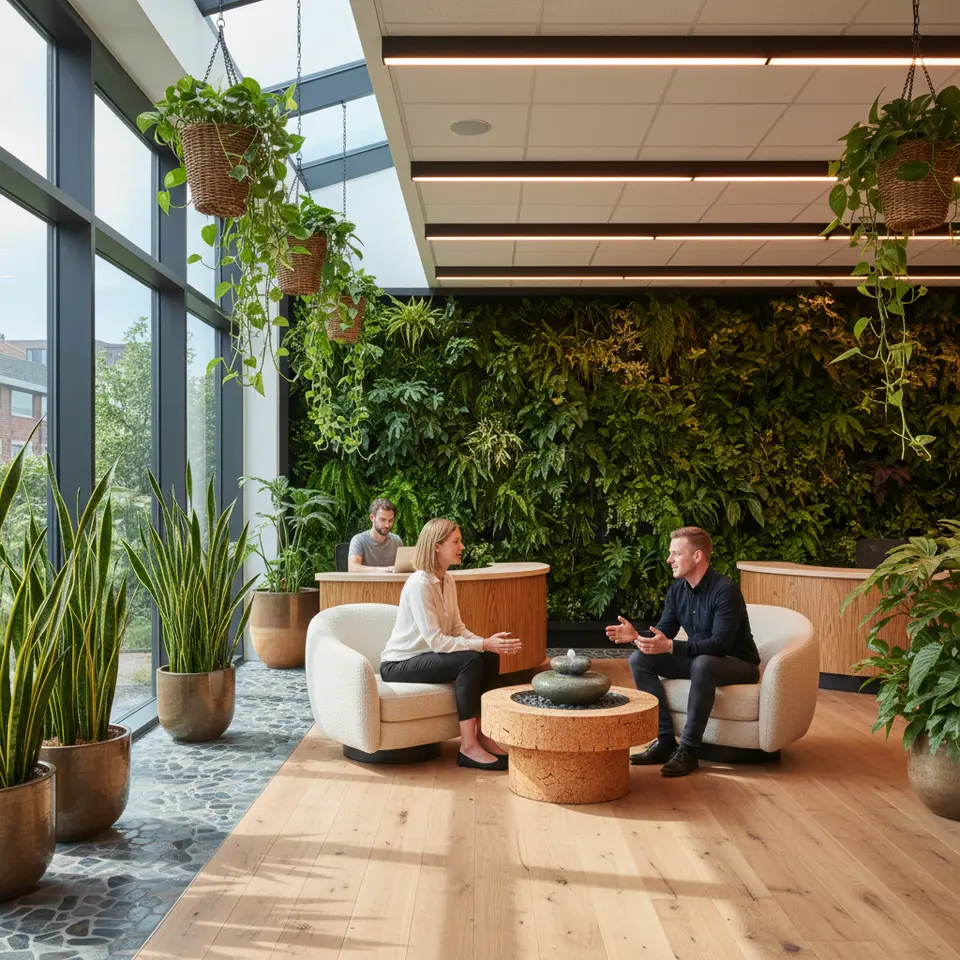
Biophilic design taps into humanity’s innate affinity for nature, blending built environments with organic elements to elevate mental health and productivity. In modern living designs, this translates to integrating greenery, natural textures, and sensory experiences that resemble outdoor settings. Living walls or vertical gardens become striking focal points while enhancing air quality—study findings from the Harvard T.H. Chan School of Public Health show that indoor plants can significantly reduce airborne particulates and boost cognitive function.
Maximize daylight by situating work and relaxation areas near windows. When direct glazing isn’t feasible, install skylights, solar tubes, or clerestory windows to usher in natural illumination. Complement sunlight with water features—such as tabletop fountains—that produce gentle soundscapes, promoting mindfulness and reducing background noise. For tactile variation, use stone or raw wood flooring in key zones, and accent surfaces with cork or wool textiles that feel warm underfoot.
Beyond direct natural elements, incorporate patterns and imagery inspired by flora and fauna. Wall coverings with leaf motifs, artwork depicting organic forms, and furniture featuring biomorphic curves can evoke the restorative power of nature without extensive maintenance. Consider circadian lighting fixtures with color temperatures that shift from cool midday tones to warm evening hues, supporting healthy sleep-wake cycles.
Choose low-maintenance plant species—snake plants, pothos, and ZZ plants thrive in interior settings with minimal care. Rotate botanical displays seasonally to reflect changing landscapes, and integrate local or indigenous species to foster place-based relationships. By thoughtfully layering these strategies, your home will resonate with serenity and natural rhythm, enriching both physical comfort and emotional well-being within modern living designs.
Multifunctional Spaces and Adaptable Layouts
Flexibility lies at the heart of modern living designs, as homes adapt to evolving work styles, social dynamics, and leisure activities. Designing multifunctional areas begins with clear zoning: define distinct yet fluid zones for tasks like focused work, casual lounging, and hosting gatherings. Use area rugs, subtle lighting changes, or movable partitions to delineate these spaces without sacrificing an open feel.
Furniture selection drives adaptability. Invest in items with dual or transformable functions—murphy beds that tuck away overnight, convertible sofas that swing between seating and sleeping surfaces, and nesting tables that expand for guests. Modular shelving units on casters can shift to accommodate impromptu conversations or presentation setups, while built-in storage benches combine seating with concealed organization.
Digital tools also enhance flexibility. Motorized room dividers retract at the press of a button to merge or separate living and dining areas, while retractable projection screens deliver home theater experiences and then vanish when not in use. Wireless charging surfaces and embedded USB ports ensure devices stay powered without cluttering the desktop. Employ acoustic panels that double as artwork or pinboards to control sound in open-plan layouts, preserving clarity during video calls or intimate conversations.
Sketch a fluid floor plan that anticipates future shifts—children’s play zones can later evolve into teen study nooks, and guest rooms can effortlessly pivot to home offices. By prioritizing adaptable layouts and multifunctional furnishings, you’ll maintain a home that grows with your lifestyle, making modern living designs truly timeless.
Lighting, Ambiance, and Connectivity
Effective lighting design and seamless connectivity are pivotal for achieving immersive modern living designs. Layer ambient, task, and accent lighting to create depth and adaptability. Dimmable LEDs allow you to fine-tune intensity and color temperature—from crisp daylight tones that aid concentration to warm, amber hues that foster relaxation during evenings.
Smart bulbs and fixtures integrated into your home network respond to voice or app commands, activating preconfigured scenes. For example, a “Work Mode” setting bathes your desk in 5000K white light, while “Evening Downtime” replaces it with 2700K amber. Under-cabinet strips enhance kitchen workflows, and recessed fixtures with adjustable beams highlight artwork or architectural details.
Beyond illumination, robust connectivity binds the modern ecosystem. High-speed mesh Wi-Fi ensures stable signals for video calls, streaming services, and real-time device communication. Ensure security by segmenting IoT devices onto a dedicated guest network and employing two-factor authentication where possible. Regularly update router firmware and change default credentials to guard against breaches.
Invest in multi-room audio systems that double as smart home hubs—speakers equipped with built-in microphones, voice assistants, and sensors minimize clutter while centralizing control. Connect lighting, thermostats, and entertainment devices through a single dashboard for effortless management. By harmonizing light, sound, and network infrastructure, your residence becomes a responsive stage for modern living designs that adapt to your moods and activities.
FAQ
- What are the key benefits of a smart home integration?
- Smart home integration brings convenience through automation, enhances security with remote monitoring, and optimizes energy consumption. By linking devices into a cohesive system, homeowners can control climate, lighting, and appliances via voice commands or mobile apps, resulting in greater comfort and reduced utility costs.
- How can I ensure the materials I choose are truly sustainable?
- Look for trusted certifications such as FSC for wood products, Cradle to Cradle for lifecycle analysis, and low-VOC labels on paints and adhesives. Research manufacturer supply chains and consider reclaimed, recycled, or locally sourced materials to minimize environmental impact.
- What is biophilic design and why is it important?
- Biophilic design integrates natural elements—such as plants, daylight, water features, and organic textures—into indoor environments to improve air quality, reduce stress, and boost cognitive performance. It fosters a deeper connection to nature, enhancing overall well-being.
- How do I create adaptable living spaces in a small home?
- Use multifunctional furniture like murphy beds and modular shelving, employ movable partitions or curtains for zoning, and integrate hidden storage solutions. Opt for lightweight, transformable pieces that can shift roles as needs evolve.
- What role does lighting play in modern living designs?
- Lighting sets mood, supports daily activities, and influences circadian rhythms. Layer ambient, task, and accent lighting with dimmable and color-temperature-adjustable fixtures to craft dynamic scenes that align with work, relaxation, and entertainment needs.
Conclusion
Embracing modern living designs means crafting a home that mirrors today’s priorities: adaptability, sustainability, wellness, and technological fluency. By integrating a smart home network, eco-conscious materials, biophilic elements, multifunctional furnishings, and intentional lighting, you’ll forge a space that anticipates your needs and nurtures your well-being. Each pillar reinforces the others, resulting in cohesive interiors that feel both innovative and inviting.
Whether you’re overhauling an entire property or implementing targeted updates, these principles offer a practical roadmap for future-ready living. Leverage reputable resources—such as the U.S. Environmental Protection Agency and the Forest Stewardship Council—to guide eco-friendly choices. Experiment with emerging tools and materials, and stay curious about evolving trends. Ultimately, the most successful modern living designs are those that evolve alongside their inhabitants, harmonizing form, function, and personal expression in a space you’ll cherish today and beyond.