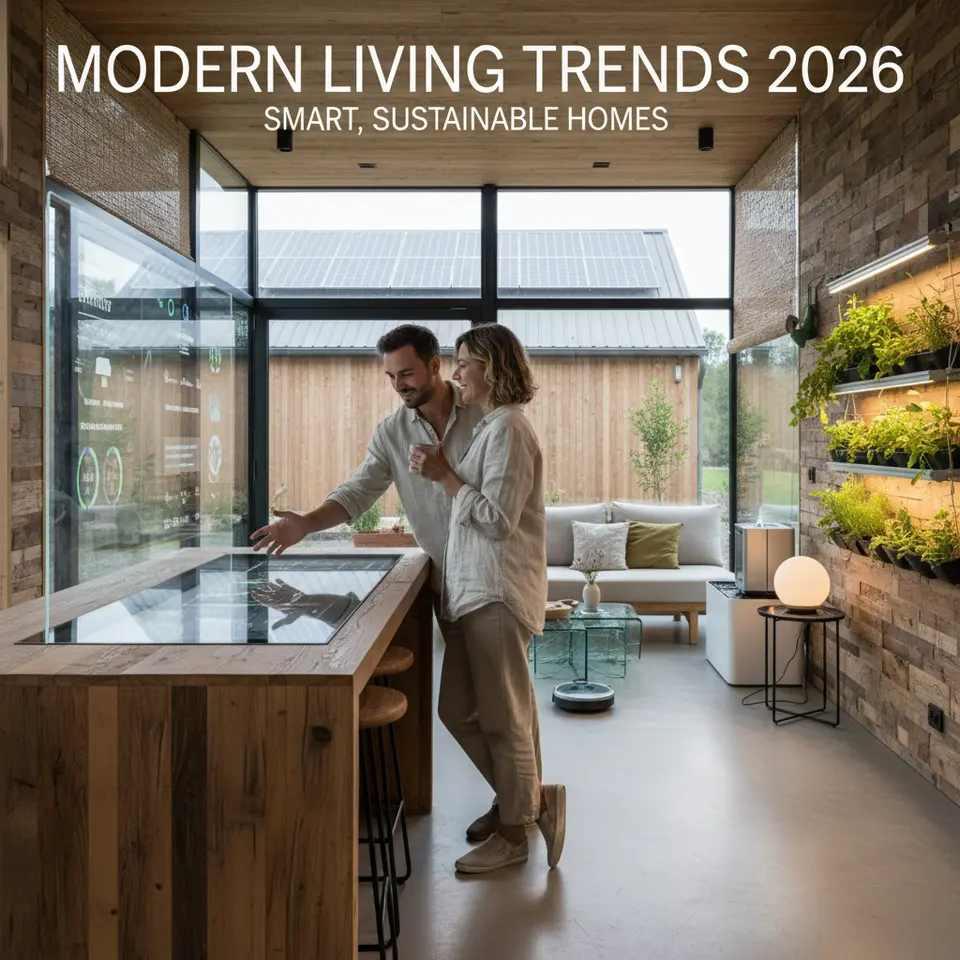
In today’s digital landscape, creating a living environment that balances cutting-edge technology, sustainability, and personal well-being has become a top priority for homeowners. As we navigate modern living trends this year (2026), the emphasis shifts toward homes that not only look sleek but also function intelligently, reduce environmental impact, and support holistic health. Whether you’re building from the ground up or refreshing an existing space, understanding these multifaceted trends is essential for crafting a residence that reflects contemporary values and meets evolving needs.
Currently, the convergence of smart home automation, eco-friendly materials, minimalist design, and wellness-focused elements drives the way we conceive and experience our daily surroundings. From intelligently integrated devices that learn your habits to spaces designed for mental clarity and physical rejuvenation, each component of a modern home plays a vital role. In this comprehensive guide, we explore five core pillars that encapsulate the most influential modern living trends for 2026. You’ll discover strategies for harnessing advanced technologies, choosing sustainable resources, optimizing space without sacrificing style, fostering health-centric atmospheres, and infusing natural serenity into urban residences.
By the end of this article, you’ll have actionable insights—backed by industry research and best practices—to transform your house into a future-ready haven. Let’s embark on a journey through the defining trends shaping contemporary homes and learn how to implement them in today’s ever-evolving architectural and lifestyle environment.
Smart Home Technologies
Smart home technologies have surged forward, delivering unprecedented convenience, efficiency, and connectivity. In modern living trends, the integration of voice-activated systems, AI-driven energy management, and seamless device interoperability is no longer optional but expected. Today’s homeowners benefit from platforms like Google Home, Amazon Alexa, and Apple HomeKit that orchestrate climate control, lighting, security, and entertainment through intuitive voice commands or automated routines.
Intelligent Voice Assistants and Automation
Voice assistants have matured into central hubs for home ecosystems. With simple prompts such as “good morning” or “movie time,” you can trigger a series of actions—adjusting thermostats, drawing smart blinds, or dimming lights—to suit every mood. These assistants employ machine learning to adapt to your preferences, ensuring that your environment evolves as you do.
Energy Management and Sustainability
AI-powered thermostats and smart metering systems track real-time energy usage, recommending adjustments to minimize waste. Platforms like EnergyStar and guidelines from the U.S. Department of Energy (https://www.energy.gov) provide best practices for reducing your carbon footprint. By scheduling temperature changes based on occupancy data, homeowners can shrink utility bills and lessen environmental impact simultaneously.
Security and Remote Monitoring
Advanced security cameras, smart locks, and integrated alarm systems offer continuous surveillance and remote control via mobile apps. Standards set by organizations such as the National Institute of Standards and Technology (NIST) (https://www.nist.gov) ensure data privacy and robust encryption. You can now receive instant alerts, grant temporary access to guests, and review footage from anywhere in the world.
Future-Proof Connectivity
With 5G networks and edge computing becoming mainstream, expect faster response times and more sophisticated automation scenarios. Beyond simple commands, future systems will leverage on-device AI to make real-time decisions without relying on cloud connectivity. This year (2026), staying at the forefront of modern living trends means planning infrastructure upgrades—such as high-speed wiring, mesh Wi-Fi, and IoT-ready hubs—to accommodate tomorrow’s innovations.
Sustainable Materials & Eco-Friendly Practices
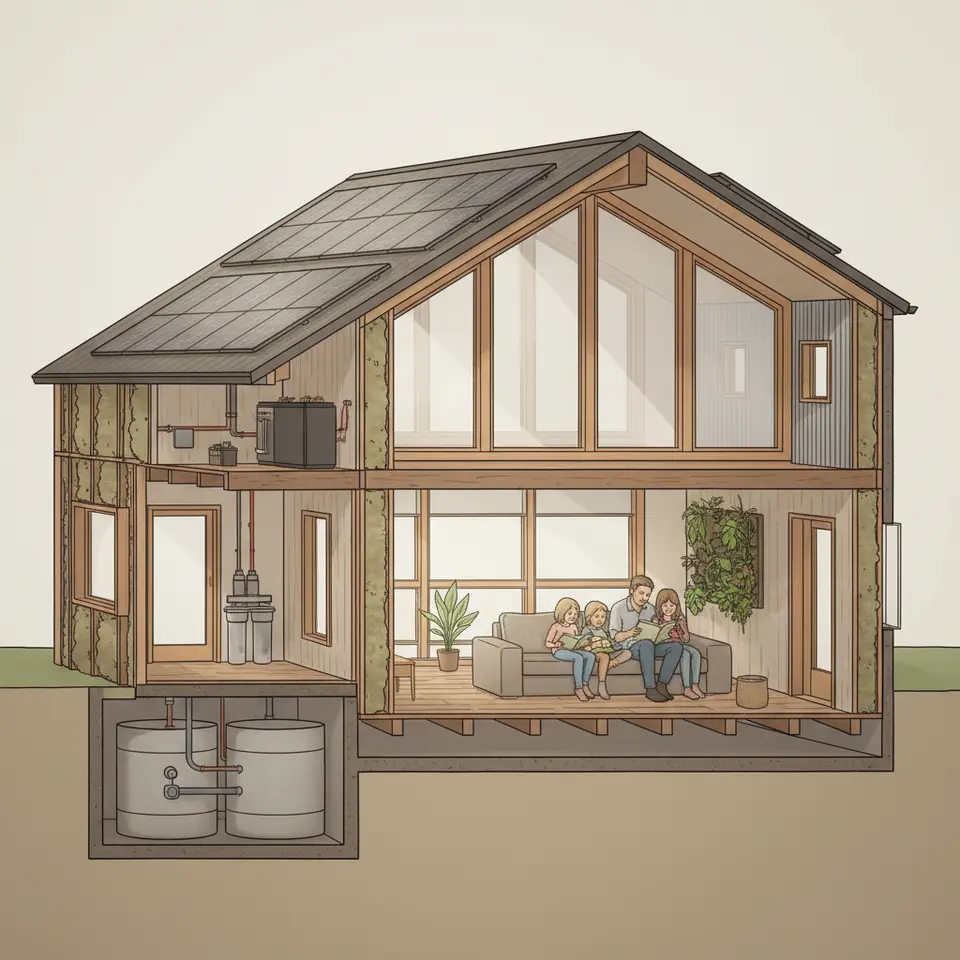
Embracing sustainability remains a cornerstone of modern living trends in 2026. Eco-conscious homeowners are increasingly selecting materials and construction methods that minimize environmental harm while enhancing indoor health. Certifications like LEED, FSC for responsibly sourced wood, and Cradle to Cradle for product circularity guide informed decisions, ensuring every element of a home meets rigorous green standards.
Low-Impact Building Materials
Reclaimed wood, recycled metal, and low-VOC paints are gaining traction for their dual benefits: reducing waste and improving air quality. According to the Environmental Protection Agency (EPA) (https://www.epa.gov), indoor air pollution ranks among the top environmental health risks, making low-emission finishes vital in contemporary residences. Natural fiber insulation—such as sheep’s wool or cellulose—also outperforms synthetic alternatives in thermal performance and moisture regulation.
Passive Design and Renewable Energy
Passive strategies harness natural resources to regulate temperature and lighting. Proper building orientation maximizes winter solar gain while shading summer sun, cutting reliance on mechanical HVAC systems. Coupled with energy-efficient windows and enhanced insulation, these principles form the backbone of net-zero energy homes. Solar photovoltaic installations—paired with battery storage—allow occupants to generate, store, and consume clean electricity, reducing strain on the grid.
Water Conservation and Circular Systems
Water-saving fixtures such as dual-flush toilets and low-flow faucets, alongside greywater recycling systems, can slash household water usage by up to 50%. Rainwater harvesting systems store roof runoff for irrigation, while native landscaping further minimizes irrigation demands. Embracing circular design principles not only conserves resources but also fosters greater resilience against droughts.
Upcycling and Local Sourcing
Upcycling existing furniture and incorporating locally crafted elements celebrate skilled artisanship and diminish transportation-related emissions. Farmers markets and craft cooperatives provide opportunities to source bespoke pieces that tell a unique story. By prioritizing durability and timeless aesthetics, you align with modern living trends that value both form and function in an eco-friendly context.
Minimalist Design & Space Optimization
Minimalism, a perennial favorite among modern living trends, champions simplicity, functionality, and a serene visual palette. In 2026, homeowners seek streamlined interiors that maximize spatial utility without sacrificing warmth or character. Neutral tones—soft whites, gentle grays, and muted earth hues—serve as backdrops for purposeful furnishings that transition effortlessly between multiple uses.
Efficient Storage Solutions
Concealed storage, built-in cabinetry, and integrated shelving maintain clutter-free environments while preserving aesthetic coherence. Pull-out pantries, hidden appliance garages, and custom wall niches embed functionality directly into the architecture, freeing floor space and crafting seamless sightlines.
Modular and Multifunctional Furniture
Modular sofas that convert into guest beds, nesting tables that expand for dining, and fold-down desks for at-home workstations exemplify the versatility of modern pieces. Look for designs that incorporate hidden charging ports, cable-management channels, and adjustable components to support evolving day-to-day scenarios.
Open-Plan Layouts and Flow
Removing unnecessary partitions cultivates a sense of continuity and sociability. Open kitchens that connect to living areas encourage interaction, while strategically placed rugs and furniture define functional zones without erecting walls. Mirrors and light-reflective finishes amplify daylight, making compact spaces feel airy and expansive.
Textural Layering and Negative Space
To avoid sterility, layer tactile elements such as wool rugs, linen draperies, and matte ceramics. These textures introduce visual depth while preserving a minimalist ethos. Thoughtful negative space around key objects allows each item to stand out as an intentional design choice, reinforcing a sense of calm and order.
Wellness & Biophilic Design
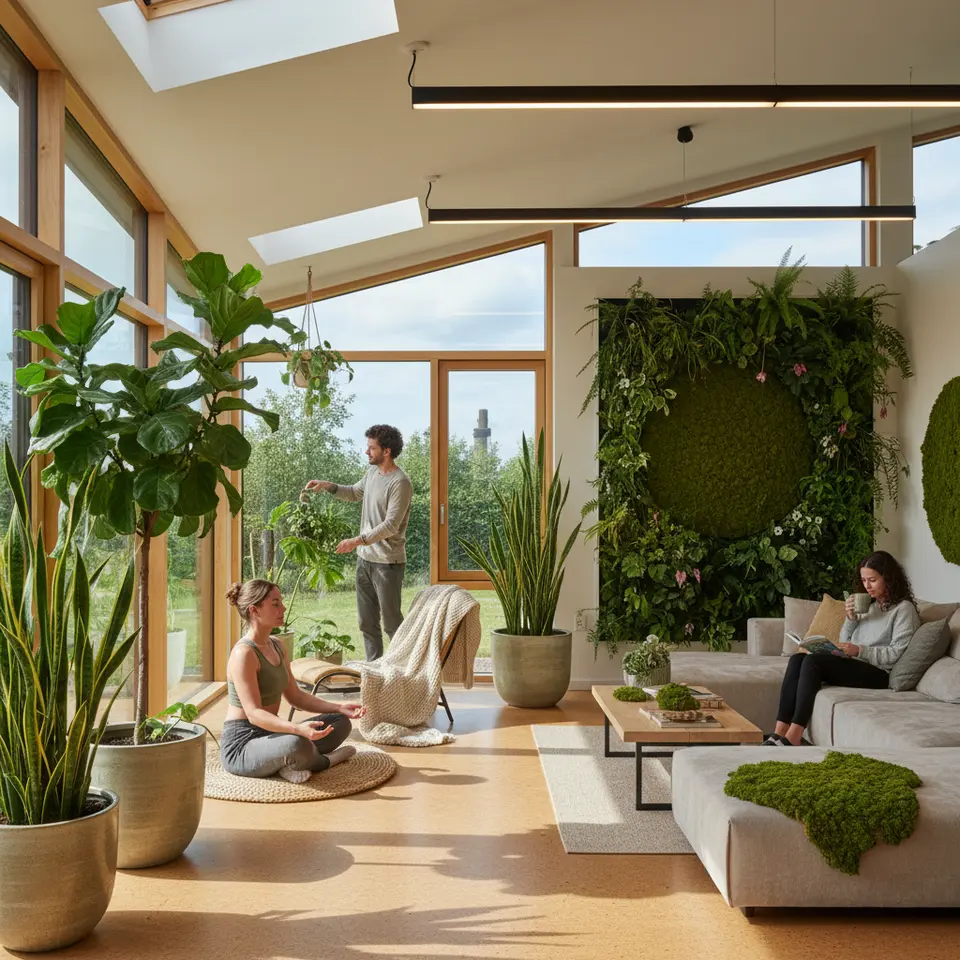
Blending wellness-driven strategies with biophilic principles defines a growing segment of modern living trends. In today’s fast-paced environment, homes that nurture mental and physical health are in high demand. Integrating natural elements, optimizing indoor environments, and carving out dedicated zones for relaxation and exercise foster holistic well-being.
Natural Light and Circadian Rhythms
Large operable windows and skylights invite abundant daylight, supporting natural sleep-wake cycles. Advanced circadian lighting systems adjust intensity and color temperature throughout the day to mirror outdoor patterns, boosting energy levels and enhancing sleep quality when daylight diminishes.
Indoor Greenery and Air Quality
Living walls, potted plants, and moss installations bring the outdoors in, improving humidity and reducing airborne toxins. Research from Harvard University’s T.H. Chan School of Public Health highlights how indoor greenery can lower stress levels and elevate cognitive performance. Complement these features with HEPA air purifiers and humidity controls to maintain optimal air conditions.
Dedicated Wellness Zones
Carve out spaces for meditation, yoga, or light exercise. Incorporating smart diffusers for aromatherapy, sound-absorbing panels to minimize noise pollution, and adjustable privacy glass creates personalized sanctuaries. Built-in wellness hubs equipped with fitness-tracking apps and guided meditation platforms streamline routines and encourage consistent self-care.
Organic Forms and Materials
Biomorphic shapes in furniture and natural materials—like cork flooring, bamboo furnishings, and stone accent walls—forge a visceral connection to nature. Curved lines and irregular patterns echo the organic world, promoting calm and creative thinking. By prioritizing both visual and tactile authenticity, you cultivate spaces that restore and invigorate.
Personalization & Community Connectivity
Personalization remains at the heart of modern living trends, empowered by AI-driven tools that enable tailored design experiences. Simultaneously, community connectivity enriches daily life by fostering collaboration and shared amenities. This year (2026), residents expect both highly customized interiors and vibrant social ecosystems beyond their front doors.
AI-Powered Customization
Virtual reality (VR) planners let you experiment with color palettes, furniture layouts, and finish selections before making commitments. Data-driven recommendations optimize acoustics, lighting, and microclimates based on your lifestyle patterns. On-demand fabric printing and modular decor systems ensure that your home is a reflection of personal taste, down to the finest detail.
Smart Art and Dynamic Decor
Digital art frames display rotating collections, adapting to time of day or mood through AI-curated galleries. Integrating programmable LED accents and projection mapping transforms blank walls into interactive canvases. These dynamic features keep spaces fresh, engaging, and uniquely yours.
Shared Amenities and Neighborhood Networks
Modern communities blend private retreats with communal areas—rooftop gardens, co-working lounges, and fitness studios—encouraging social interaction. App-based platforms streamline event organization, resource sharing, and neighbor-to-neighbor lending. From pop-up farmers markets to group wellness classes, these connectivity tools reinforce a sense of belonging.
Outdoor Living and Biodiversity
Outdoor kitchens, pollinator-friendly gardens, and smart irrigation systems extend living spaces into nature. Collaboration with local environmental organizations promotes biodiversity and ecosystem health. By cultivating shared green spaces and encouraging communal stewardship, you align with sustainable, community-centric modern living trends.
FAQ
What are the key components of a smart home ecosystem?
Key components include voice-activated assistants like Alexa or HomeKit, AI-powered energy management systems, security and monitoring devices, and a robust network infrastructure such as 5G and mesh Wi-Fi.
How can I make my home more sustainable?
Use low-impact materials like reclaimed wood, install passive design features such as proper orientation and insulation, adopt renewable energy sources like solar PV, and implement water conservation systems including greywater recycling and rainwater harvesting.
What are practical ways to incorporate biophilic design?
Integrate natural light through large windows and skylights, add indoor greenery such as living walls and potted plants, use organic materials like cork and bamboo, and create wellness zones for relaxation and exercise.
Conclusion
In today’s world, the most impactful modern living trends center on harmonizing technology, sustainability, wellness, and community. By integrating smart home innovations, choosing eco-friendly materials, embracing minimalist yet versatile design, fostering health-oriented environments, and leveraging AI for personalization, you can craft a residence that meets the demands of this year (2026) and beyond. Remember to incorporate natural elements, support local ecosystems, and engage with neighbors to enrich your everyday experience. As you apply these insights, your home will stand as a true reflection of contemporary values—stylish, functional, nurturing, and sustainable.