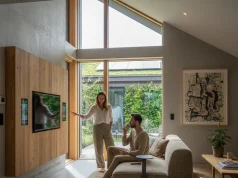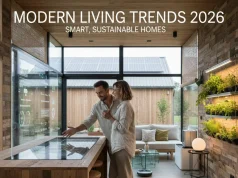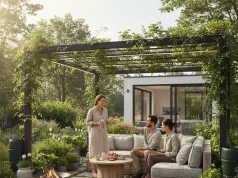
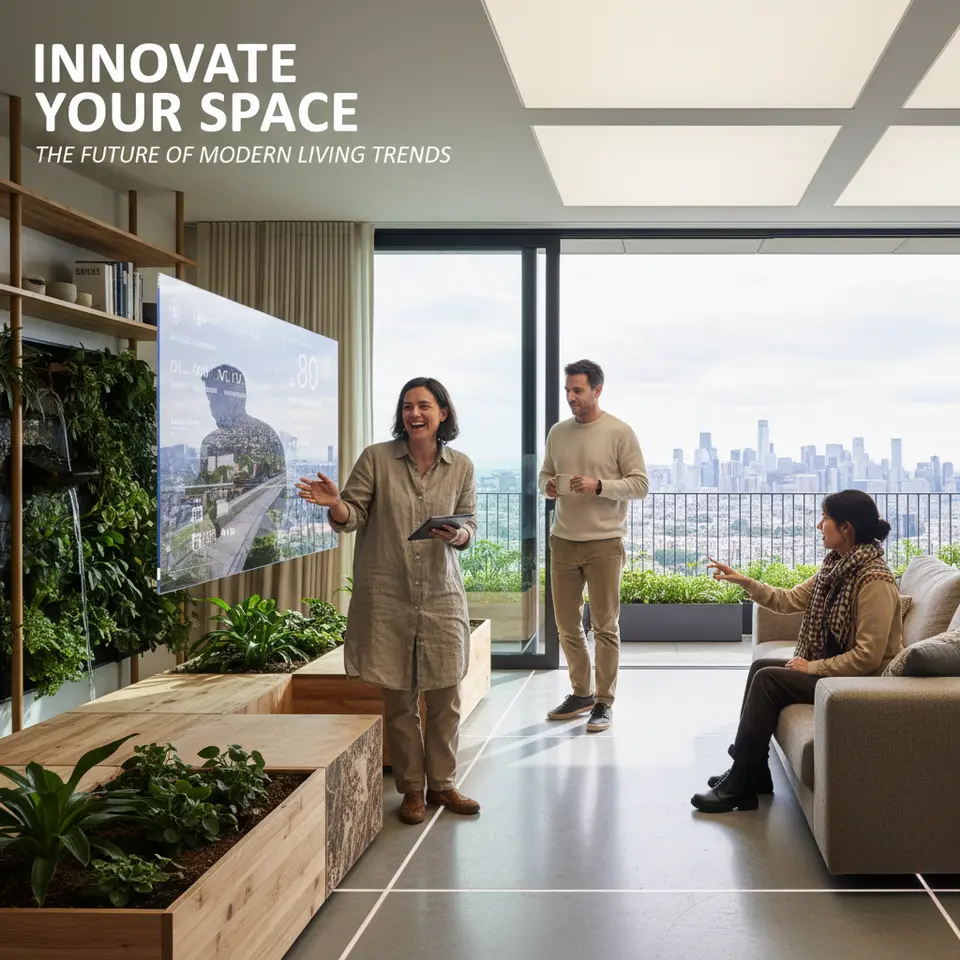
In today’s digital landscape, the way we design and inhabit our homes is undergoing a profound transformation. As we move through this year (2026), modern living trends are redefining the relationship between technology, sustainability, and human well-being. Homeowners are seeking environments that seamlessly blend smart functionality with eco-friendly materials and wellness-centric features. Driven by growing environmental awareness and the demands of remote living, these trends empower you to craft spaces that adapt to your lifestyle while minimizing your ecological footprint.
From AI-powered automation systems that anticipate your needs to biophilic design elements that bring nature indoors, each innovation contributes to a more comfortable, efficient, and health-focused home. Whether you are planning a full renovation or simply exploring ways to enhance your current living space, understanding these forward-thinking concepts is essential. In this in-depth guide, we delve into the top modern living trends shaping contemporary residences, offering actionable insights to inspire your next project. By embracing smart home integration, sustainable design, minimalist aesthetics, adaptive layouts, and wellness features, you can create a future-ready home that supports both your personal well-being and the planet.
Smart Home Integration
As connectivity becomes ubiquitous in our daily lives, the rise of smart home integration stands out as a key pillar of modern living trends. Today’s homeowners expect intuitive systems that not only simplify daily routines but also deliver energy savings and enhanced security. With advances in artificial intelligence and machine learning, devices can now learn your preferences, adjust settings automatically, and even provide actionable insights to improve comfort and efficiency.
Energy Management
One of the most impactful features of a smart home is automated energy management. Intelligent thermostats track occupancy patterns, weather forecasts, and peak energy rates to optimize heating and cooling schedules. By analyzing real-time data, these devices can reduce waste, resulting in lower utility bills and a smaller carbon footprint. Many utilities and government agencies, such as the U.S. Environmental Protection Agency (EPA Energy Star Program), offer incentives for upgrading to ENERGY STAR® certified equipment, making it even more cost-effective to adopt these systems.
Voice & Gesture Control
Voice assistants and gesture recognition technologies have evolved well beyond novelty status. Hands-free interaction with lighting, temperature controls, and entertainment systems is now reliable and responsive. Natural language processing allows you to issue complex commands—such as, “Set the living room lights to warm white at 70% and lower the blinds to 50%.” Meanwhile, gesture-based controls use cameras or sensors to detect simple hand movements, offering accessibility for users who may find traditional controls challenging.
Security & Monitoring
Security remains a top priority as smart devices proliferate. Integrated cameras, smart locks, and motion detectors work in concert to provide real-time alerts and remote monitoring. AI-driven analytics can distinguish between routine and suspicious activity, reducing false alarms. Geo-fencing features use your smartphone’s location to lock doors automatically when you leave or turn on lights when you return, adding convenience and peace of mind. By consolidating these elements into a unified platform, you build a resilient, responsive home ecosystem that elevates both safety and user experience.
Sustainable & Eco-Friendly Design
Sustainability lies at the heart of modern living trends, as homeowners seek to lessen their environmental impact without sacrificing style or comfort. Sustainable design principles guide material selection, energy systems, and construction techniques to create homes that are resource-efficient and durable. With growing concerns about climate change and resource scarcity, adopting eco-friendly practices is both an ethical choice and a strategic investment in long-term value.
Low-VOC Finishes
Indoor air quality is crucial for health, and one of the simplest yet most effective ways to improve it is by choosing low-VOC (volatile organic compound) paints, sealants, and adhesives. These products emit fewer toxic chemicals, reducing the risk of respiratory issues and allergy triggers. According to the EPA, selecting certified low-VOC materials can significantly improve indoor air quality while maintaining vibrant colors and lasting durability.
Recycled & Upcycled Materials
Incorporating reclaimed wood, recycled metal, and upcycled glass adds character to your home while diverting waste from landfills. Salvaged wood beams, for example, can become stunning ceiling features or furniture accents. Tiles made from post-consumer materials offer unique patterns and textures that tell a story. Embracing these materials supports circular economy principles and highlights your commitment to eco-conscious living.
Passive Solar & Insulation
Strategic orientation and high-performance insulation play a pivotal role in reducing heating and cooling demands. By positioning windows to capture winter sun and shade interiors during summer, you harness natural energy flows. Combining passive solar strategies with advanced windows—such as double- or triple-glazed models—and high-R-value insulation ensures thermal comfort year-round. For in-depth guidance on solar-ready roofing and advanced insulation, the U.S. Department of Energy’s Energy Saver site offers practical tips and resources.
Biophilic & Minimalist Aesthetics
Biophilic design and minimalism intersect beautifully to create spaces that feel open, serene, and connected to nature. By limiting visual clutter and incorporating organic elements, you establish a calming environment that promotes focus and relaxation. This approach aligns with modern living trends by emphasizing quality over quantity and fostering a deeper connection to the natural world.
Natural Materials
Selecting materials like stone, bamboo, cork, and linen introduces warmth and texture into your home. A bamboo floor adds subtle grain patterns, while natural stone countertops provide durability and timeless beauty. Linen draperies soften sunlight and contribute to a breathable, comfortable interior. These choices reflect a respect for natural processes and craftsmanship.
Green Walls & Indoor Gardens
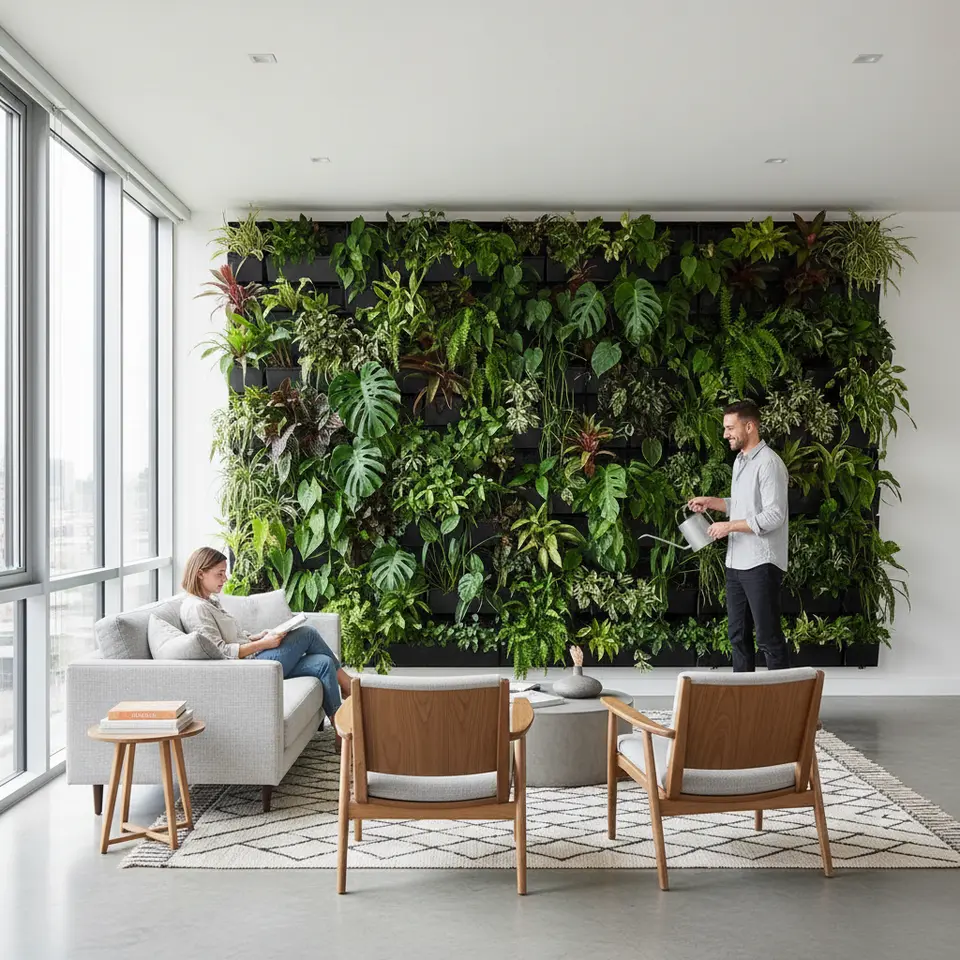
Vertical gardens and indoor planting systems enable you to enjoy lush greenery without sacrificing floor space. Various modular systems support a range of plant species, improving air quality and mental well-being. Studies from institutions such as the Harvard T.H. Chan School of Public Health show that indoor plants can reduce stress, enhance productivity, and improve cognitive function.
Clutter-Free Living
Minimalism encourages intentional living by prioritizing essential items and hidden storage solutions. Built-in cabinetry, under-bed drawers, and multifunctional furniture pieces help maintain clean sightlines. A serene, clutter-free environment reduces decision fatigue and creates a sanctuary where you can focus on what matters most.
Personalization & Adaptive Environments
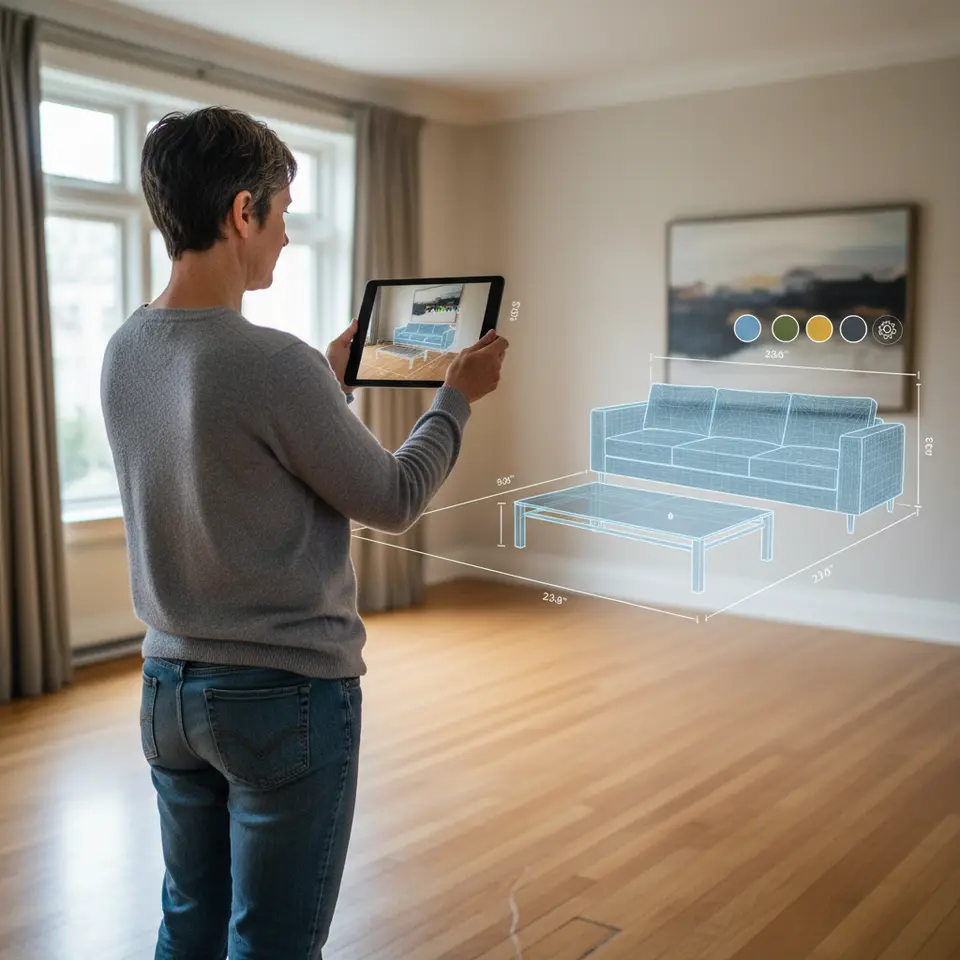
Modern living trends emphasize the importance of spaces that grow and change with you. Adaptive environments leverage modular design, custom smart settings, and cutting-edge planning tools to offer unparalleled flexibility. Whether you are entertaining guests, working from home, or unwinding after a long day, these solutions adjust to your needs in real time.
Modular Seating & Tables
Modular furniture systems let you reconfigure seating arrangements and work surfaces on demand. Sectional sofas with detachable ottomans can transform a living room into a collaborative workspace or a cozy movie theater. Convertible tables expand for dinner parties and retract when you need extra floor space. This versatility reflects the dynamic lifestyles of today’s homeowners.
Mood-Based Lighting Scenes
Customizable lighting profiles enable you to shift ambiance from energizing to relaxing in seconds. Pre-set scenes adjust color temperature and brightness according to activity: cool white for focused work, warm amber for intimate gatherings, or soft pastels for meditation. Integrated controls in mobile apps or voice assistants make it effortless to change moods at the touch of a button.
AR Room Planning
Augmented reality (AR) tools allow you to visualize new layouts and furnishings in your actual space before making any purchases. By overlaying digital models onto real-world environments, you can experiment with color schemes, furniture placement, and design styles in a risk-free manner. This technology reduces returns, ensures better planning, and saves both time and resources.
Wellness-Centric Features
Well-being sits at the core of modern living trends, driving the integration of features that support physical health and mental balance. By turning your home into a sanctuary for self-care, you foster routines and environments that contribute to long-term vitality.
Air & Water Purification
Advanced filtration systems remove particulates, allergens, and contaminants from indoor air and water supplies. High-efficiency particulate air (HEPA) filters, activated carbon layers, and UV sterilization units work together to deliver clean, safe environments. Regular monitoring through smart sensors ensures timely filter replacements and optimal performance.
Dedicated Fitness & Meditation Zones
Allocating compact areas for exercise and mindfulness helps integrate wellness into daily routines. Wall-mounted resistance bands, foldaway yoga mats, and ceiling-mounted pull-up bars are unobtrusive when not in use. A tranquil corner with floor cushions, soft lighting, and sound-dampening materials provides an ideal setting for meditation or gentle stretching.
Circadian Lighting
Dynamic LED fixtures that mimic natural daylight cycles can have a profound impact on sleep quality and energy levels. By gradually shifting color temperature from cool blue hues in the morning to warm amber tones in the evening, circadian lighting supports the body’s natural rhythms. Scientific research underscores the benefits of aligning artificial lighting with human biological clocks for better rest and daytime alertness.
Frequently Asked Questions
What are the benefits of integrating smart home systems?
Smart home integration offers convenience through automation, energy savings with optimized controls, and enhanced security via real-time monitoring and alerts. AI-driven devices learn your habits to anticipate needs and improve overall comfort.
How can I make my home more sustainable on a budget?
Start with small changes such as switching to low-VOC paints, installing programmable thermostats, and incorporating secondhand or upcycled materials. Gradual upgrades spread costs over time while delivering significant environmental benefits.
Why is biophilic design important for well-being?
Biophilic design reconnects occupants with nature through natural materials, greenery, and daylight, which can reduce stress, enhance productivity, and improve mental health by creating a soothing, restorative environment.
Conclusion
Modern living trends in 2026 converge around the principles of intelligence, sustainability, and well-being. By weaving together smart home integration, eco-friendly materials, biophilic aesthetics, adaptive layouts, and wellness-centric features, you can create a living environment that is both future-ready and deeply personal. Embracing these innovations not only enhances daily comfort but also contributes to a healthier planet and a more mindful lifestyle. Whether you are embarking on a complete renovation or introducing small, strategic upgrades, the transformative power of these trends invites you to reimagine the possibilities of home. Start today, stay curious, and let these concepts guide you toward a space that nurtures body, mind, and the environment.