In today’s digital landscape, the idea of what constitutes a home has expanded well beyond four walls and a roof. Homeowners now seek environments that feel intuitive, efficient, and visually compelling. When you prioritize smart sustainable modern design, you create spaces that not only reflect contemporary taste but also harness innovative technology and eco-friendly practices. In this year (2026), as global attention on environmental stewardship intensifies, integrating renewable energy systems, energy-efficient appliances, and recycled or responsibly sourced materials has become more feasible and affordable than ever before.
Smart sustainable modern design goes hand in hand with minimalist principles, wellness-focused amenities, and seamless connectivity. Automated lighting, sensor-driven climate control, and voice-enabled assistants simplify daily tasks, while low-VOC paints, recycled metals, and certified timber support healthier indoor air quality and reduce environmental impact. Embracing these strategies in tandem generates a balanced living environment where form meets function and beauty converges with responsibility.
This article will guide you through five key areas to elevate your living space: harnessing intelligent home technology, selecting green materials and resource-efficient practices, cultivating minimalist yet inviting interiors, designing for wellness and biophilic connections, and future-proofing with personalization and flexible layouts. We’ll also highlight reliable resources such as the Environmental Protection Agency (EPA) and the U.S. Department of Energy to anchor your research in trusted expertise. By the end, you’ll have a clear roadmap for blending smart sustainable modern design into every corner of your home.
Harnessing Intelligent Technology for Everyday Convenience
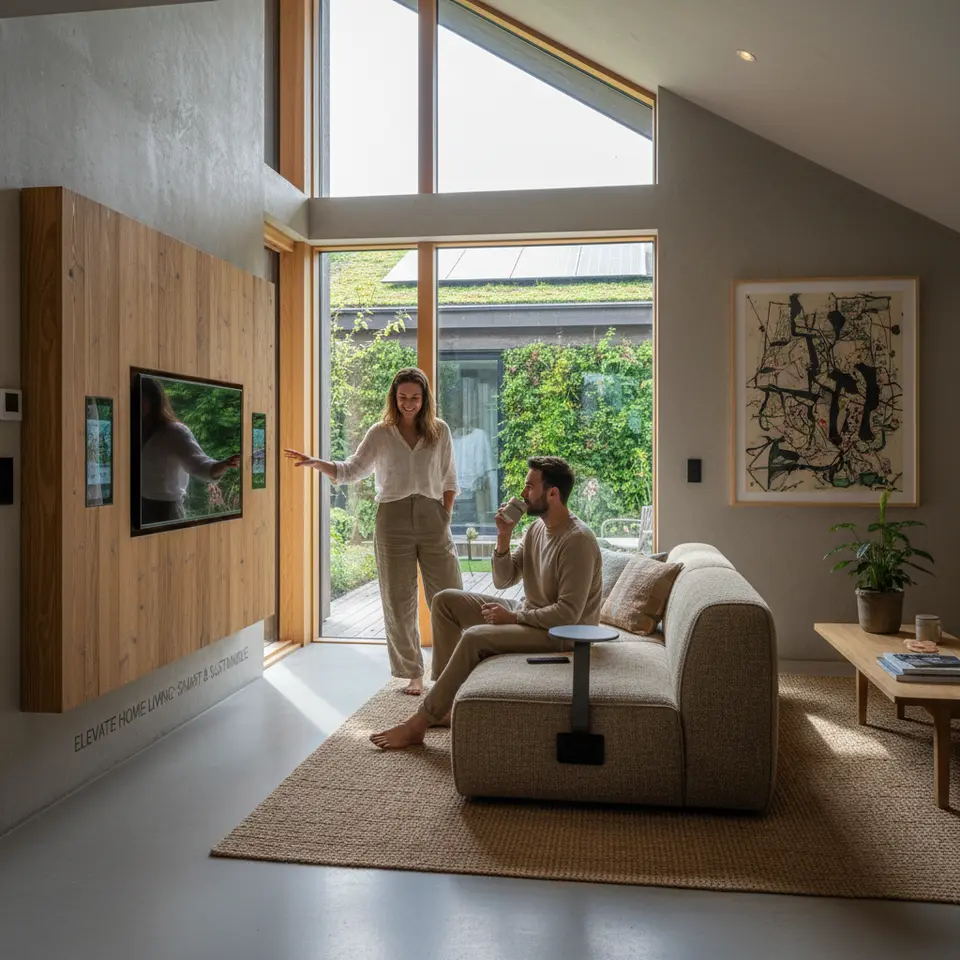
Smart sustainable modern design begins with integrating technology that responds dynamically to your habits and preferences. Today’s smart home devices range from AI-driven assistants like Amazon Alexa and Google Assistant to advanced sensors that fine-tune HVAC and lighting systems in real time. When connected through a centralized hub or mesh Wi-Fi network, these components communicate efficiently, delivering seamless control and optimized performance.
Consider automated lighting that adjusts brightness and color temperature based on the time of day, promoting alertness during work hours and mellow tones for evening relaxation. In kitchens, smart appliances can preheat ovens remotely, monitor pantry inventory, or even suggest recipes based on ingredient availability. Voice commands simplify everyday routines: you can ask your assistant to dim the dining room lights, start a playlist, or check indoor air quality without lifting more than your voice.
Energy monitoring is another pillar of intelligent integration. Many systems now include dashboards that display real-time consumption data, enabling you to identify energy hogs, establish usage patterns, and set automated schedules for appliances. By reducing peak-time loads and powering down idle devices, you can substantially lower utility costs and shrink your carbon footprint.
Security benefits also arise from a connected ecosystem. Smart locks, video doorbells, and motion sensors can be viewed and controlled remotely, granting peace of mind when you’re away. Two-factor authentication and encrypted communication protocols help safeguard your data and privacy. As you pursue smart sustainable modern design, make robust cybersecurity a priority: update firmware regularly, set strong, unique passwords, and segment your IoT devices on a dedicated network.
With proactive planning, harnessing intelligent technology transforms your residence into an adaptive environment that conserves resources, anticipates needs, and supports daily comfort. In today’s climate, blending convenience with efficiency is the hallmark of forward-thinking design.
Green Materials and Resource-Efficient Practices
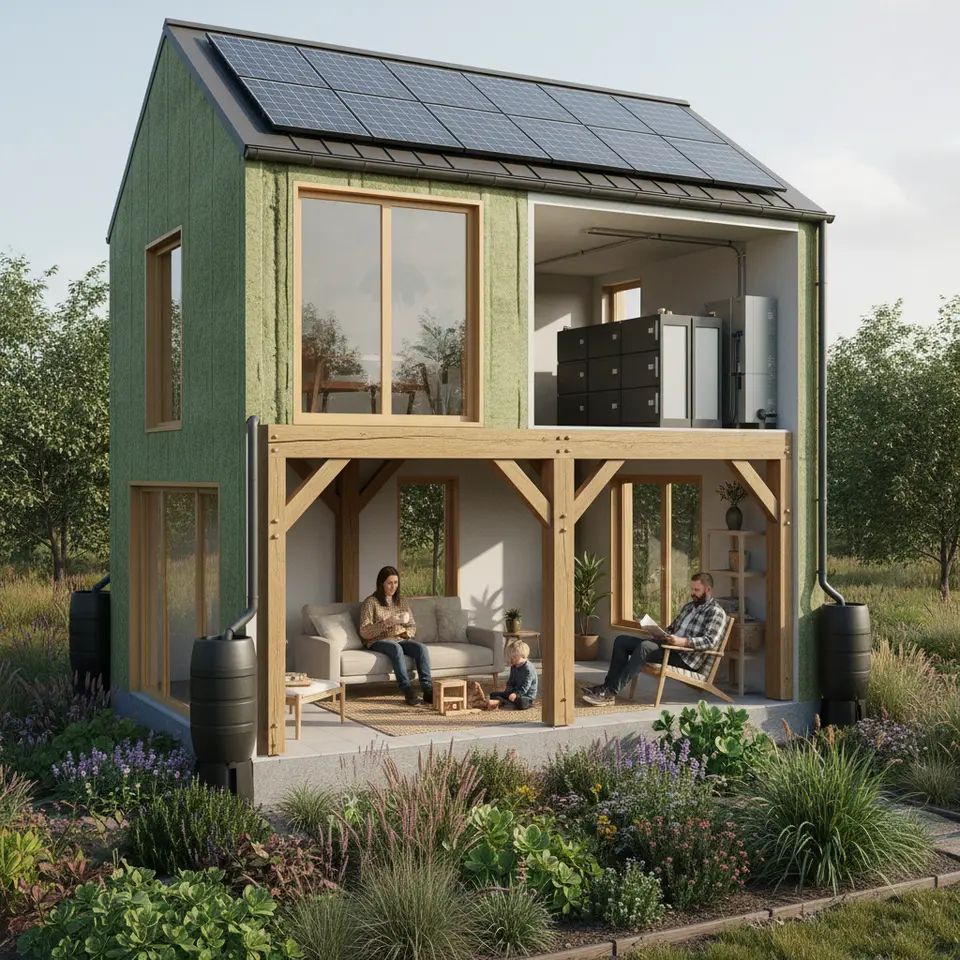
Opting for sustainable materials is foundational to any smart sustainable modern design approach. Eco-conscious builders and designers increasingly turn to certified lumber, recycled metals, and bio-composite panels to reduce embodied carbon and reliance on virgin resources. Choosing low-VOC paints and finishes helps maintain healthy indoor air quality by minimizing toxic off-gassing.
Insulation and window technology play a pivotal role in curbing heating and cooling demand. High-R-value insulation paired with triple-pane, argon-filled windows can reduce heat transfer, stabilizing indoor temperatures and lessening dependence on HVAC systems. Energy modeling tools from institutions like the National Renewable Energy Laboratory (NREL) can guide you in selecting the optimal envelope materials for your climate zone.
Water conservation techniques, such as rainwater harvesting and graywater recycling, further advance this resource-efficient ethos. Installing rain barrels or tank systems captures runoff for irrigation, while directing graywater from sinks and showers into garden beds cuts down potable water usage. Drought-tolerant landscaping with native plants reduces maintenance needs and supports local biodiversity.
Reclaimed or upcycled furniture and decorative elements inject character into modern interiors while extending the lifecycle of materials. Salvaged wood beams, refurbished metal fixtures, and second-hand textiles can all contribute to an authentic aesthetic that honors history and craftsmanship. Pair these with modular furniture systems: pieces that can be reconfigured or added onto as needs evolve.
Smart sustainable modern design also embraces digital fabrication and prefabrication when feasible. Off-site manufacturing of building components often yields less waste and tighter tolerances, reducing on-site labor and material discard. By combining these strategies with renewable energy sources—like rooftop solar panels or small-scale wind turbines—you can build or retrofit a home that exemplifies resource efficiency and environmental responsibility.
Embracing Minimalism for a Calmer Living Space
Minimalist design is not about austerity; it’s about clarity, intentionality, and the elimination of superfluous elements. In smart sustainable modern design, minimalism encourages spaces that feel open, serene, and adaptable. To achieve this, start by decluttering and defining storage solutions that seamlessly conceal possessions without sacrificing accessibility.
Built-in cabinetry, hidden drawers, and multiuse furniture help maintain visual simplicity. For instance, a sofa bed with under-seat storage can accommodate guests without cluttering the living room. In open-plan layouts, use rugs, changes in flooring material, or subtle drops in ceiling height to delineate functional zones without erecting walls.
Color palettes in minimalist environments often gravitate toward neutrals—soft whites, gentle grays, and earthy taupes. Accent hues derived from natural materials, like oak or concrete, provide warmth and texture. Incorporate tactile finishes such as plastered walls, terrazzo tiles, or woven textiles to add dimension without introducing visual chaos.
A critical component of minimalism is selective curation. Instead of filling every surface, choose a handful of art pieces or decor items that resonate deeply with you. Rotating these items seasonally or thematically can keep your environment feeling fresh. Magnetic display boards or modular shelving systems allow for effortless updates, supporting the flexible nature of modern living.
Smart lighting and integrated controls further refine minimalist spaces by eliminating the need for bulky switches or cords. Recessed fixtures, wall washers, and under-cabinet LEDs can be programmed to respond to occupancy or daylight levels, preserving a clean ceiling plane and enhancing the sense of openness.
Designing for Wellness and Biophilic Connectivity
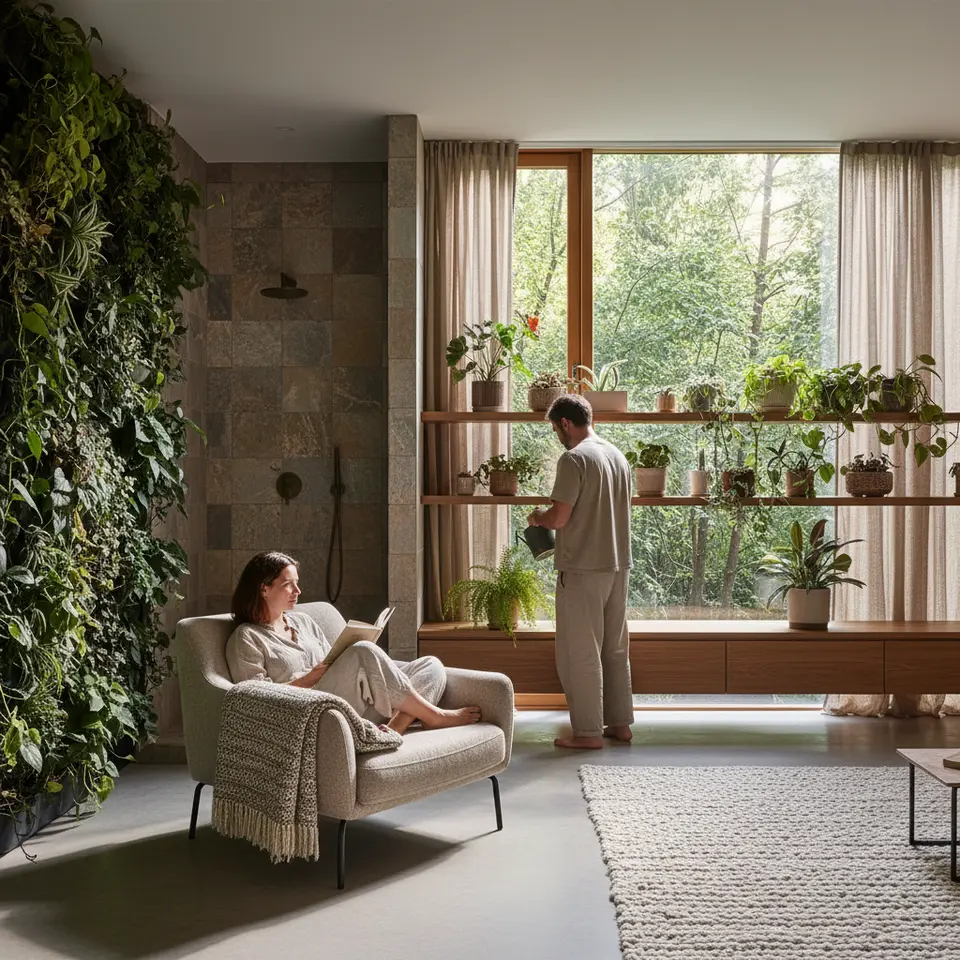
Modern homeowners increasingly prioritize wellness-driven spaces that support mental and physical health. Smart sustainable modern design elevates well-being by blending technology, materials, and biophilic elements. Start by integrating circadian lighting systems that modulate color temperature based on time of day, emulating natural sunlight cycles to strengthen sleep patterns and boost mood.
Consider creating dedicated relaxation areas: a meditation alcove with floor cushions, soft ambient lighting, and sound-absorbing panels; or a reading nook perched near a window with views of greenery. Spa-inspired bathrooms can feature low-flow, rainfall showerheads, steam options, and natural stone accents. Adding infrared sauna modules or hydrotherapy tubs furthers the at-home wellness experience.
Biophilic design reconnects occupants with nature by incorporating living materials indoors. Potted plants, vertical green walls, and tabletop gardens improve air quality and foster a sensory bridge to the outdoors. Natural textiles—like wool, cotton, and jute—infuse warmth while maintaining breathability. Strategically placed mirrors can amplify daylight, enhancing the perception of space and brightness.
Air purification systems, whether plant-based or HEPA-filtered, ensure that the circulation of fresh, clean air remains constant. Combining these with smart sensors that track humidity and particulate levels empowers you to adjust ventilation automatically, mitigating allergens and pollutants.
Wellness is also social: design multifunctional rooms that promote gathering, from open kitchen islands where friends can mingle during meal prep to flex spaces that convert from co-working zones by day to movie theaters by night. By aligning layout, materials, and technology, smart sustainable modern design creates a holistic haven for mind and body.
Future-Proofing with Personalization and Flexibility
Personalization ensures your residence remains relevant and vibrant as needs shift over time. Modular furniture systems, such as sectional seating that expands or contracts, adjustable shelving, and convertible desks, provide adaptability. Smart textiles with color-changing or opacity-tuning fibers let you modify the ambiance at will, whether you desire privacy, light diffusion, or a pop of hue.
Interchangeable wall treatments—magnetic panels, sliding screens, or adhesive wallpaper—allow for simple aesthetic updates without structural changes. Smart home scenes can be programmed for different activities: a ‘morning energize’ setting that raises blinds, plays an upbeat playlist, and warms the bathroom floor; an ‘evening unwind’ mode that dims lights, lowers shades, and adjusts temperature.
Because connectivity is the backbone of a future-proof home, invest in a robust network infrastructure. Mesh Wi-Fi systems eliminate dead zones, while Power over Ethernet (PoE) solutions can deliver both power and data to wall-mounted devices without bulky cables. Allocate separate VLANs for IoT devices to enhance security and performance.
Maintain a regimen of firmware updates and performance audits to ensure all components—from thermostats to security cameras—operate smoothly. Refer to manufacturer guidelines for battery replacements, calibration checks, and software patches. As new protocols emerge, such as Matter or Thread, anticipate integration pathways that let you incorporate a broader range of devices.
Finally, remain curious about emerging trends like augmented reality design apps, 3D-printed furnishings, and AI digest-based personal assistants. By nurturing a mindset of continuous refinement, your home will stay at the forefront of smart sustainable modern design, offering lasting value and environmental responsibility.
FAQ
Q: What is smart sustainable modern design?
A: Smart sustainable modern design combines advanced home automation with eco-friendly materials and practices. It focuses on energy efficiency, resource conservation, health, and flexibility to create homes that are both cutting-edge and responsible.
Q: How can I integrate smart technology without overspending?
A: Start with a centralized hub and prioritize devices that offer the most impact—like smart thermostats, lighting systems, and energy monitors. Gradually expand your ecosystem, take advantage of rebates from agencies like the EPA and local utilities, and look for bundled discounts from manufacturers.
Q: Which materials are best for a green building envelope?
A: High-R-value insulation, triple-pane argon windows, certified lumber, recycled metals, and low-VOC finishes create a durable, efficient envelope. Tools from NREL or similar institutions can help you select the right combination for your climate.
Q: How do I ensure my home adapts to future needs?
A: Invest in modular furniture, interchangeable wall treatments, a robust network infrastructure, and devices compatible with emerging protocols like Matter. Regular firmware updates and design audits will help you stay current with technological advances.
Conclusion
In today’s rapidly evolving world, merging smart sustainable modern design principles unlocks a multifaceted living experience that balances convenience, aesthetics, well-being, and environmental stewardship. By harnessing intuitive technology, choosing green materials, embracing minimalist clarity, cultivating wellness-oriented spaces, and future-proofing with flexibility, you’ll craft a home that adapts to your lifestyle and stands resilient over time. Stay informed through resources like the EPA and Department of Energy to refine your strategy as new innovations emerge this year (2026). Ultimately, smart sustainable modern design is more than a trend—it’s an ongoing commitment to living well and leaving a lighter footprint on our planet.